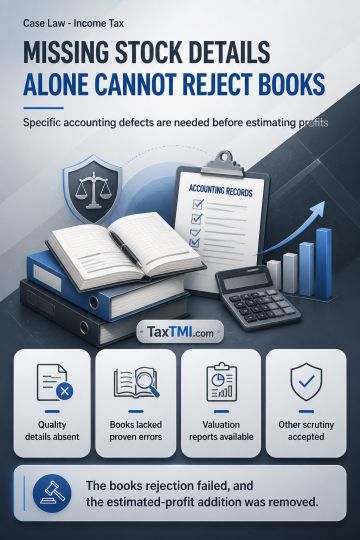
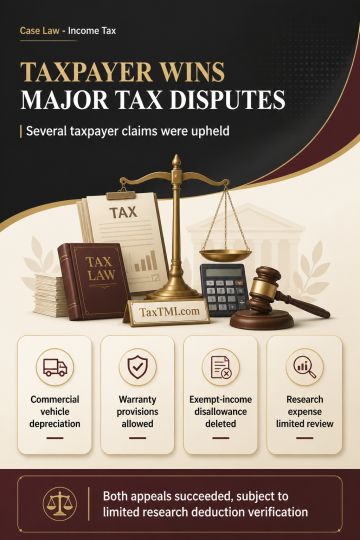
Commercial vehicle depreciation, scientifically determined warranty provisions and exempt-income disallowances were resolved in favour of the taxpayer...
Inherited property sale proceeds require capital-gains treatment where ownership is supported by evidence, not suspicion or unverified signature doubt...
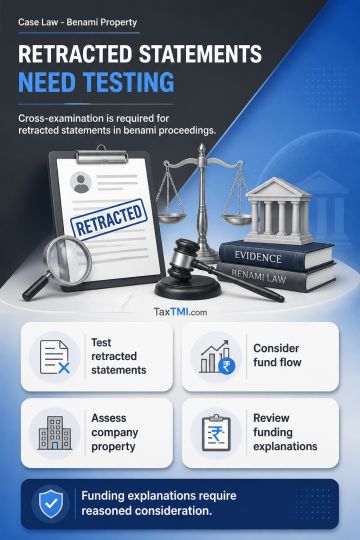
Cross-examination of retracted statements is essential where foundational evidence supports a benami allegation and documented funding explanations re...
The court granted bail to the accused applicant, considering the following factors: the trial has not yet commenced, the applicant's complicity is yet to be determined, relevant evidence is under the department's control, and there is no indication that the applicant's release would adversely affect the trial. Additionally, the alleged offense carries a maximum punishment of five years' imprisonment, and the applicant has already been in jail for a substantial period. The court opined that the applicant has made a case for bail, subject to furnishing personal bonds and sureties to the satisfaction of the concerned court and fulfilling imposed conditions. The decision was based on the Supreme Court's precedents, which emphasize considering the gravity of the offense, the object of the relevant Act, and the attending circumstances, rather than categorizing all economic offenses as one group and denying bail.
The court granted bail to the accused applicant, considering the following factors: the trial has not yet commenced, the applicant's complicity is yet to be determined, relevant evidence is under the department's control, and there is no indication that the applicant's release would adversely affect the trial. Additionally, the alleged offense carries a maximum punishment of five years' imprisonment, and the applicant has already been in jail for a substantial period. The court opined that the applicant has made a case for bail, subject to furnishing personal bonds and sureties to the satisfaction of the concerned court and fulfilling imposed conditions. The decision was based on the Supreme Court's precedents, which emphasize considering the gravity of the offense, the object of the relevant Act, and the attending circumstances, rather than categorizing all economic offenses as one group and denying bail.
Note: It is a system-generated summary and is for quick reference only.
 TaxTMI
 of 4803

















 Join Channel


 TaxTMI