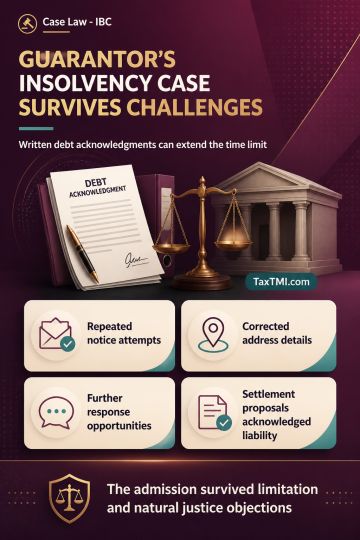
Service of notice and contractual debt acknowledgment preserved insolvency admission against a corporate guarantor despite limitation and natural just...
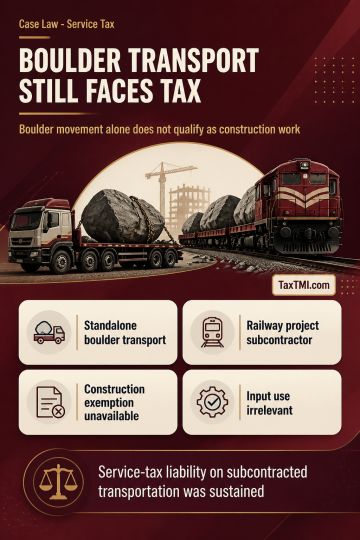
Original works exemption excludes standalone boulder transportation, leaving subcontracted railway-project transport services subject to service tax l...
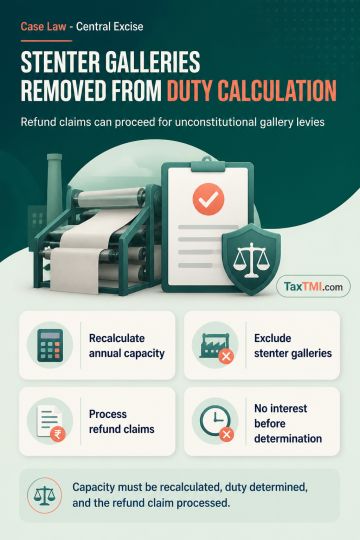
Annual production capacity determinations excluding stenter galleries support refunds for unconstitutional excise levies without an unjust-enrichment ...
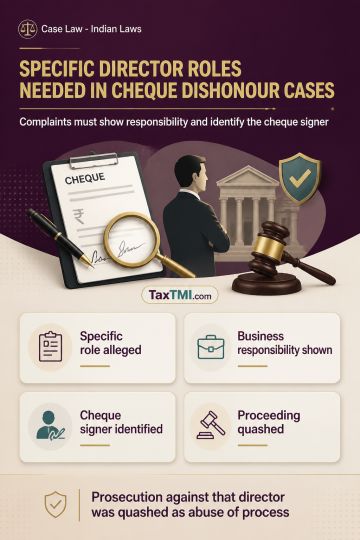
Vicarious liability for cheque dishonour requires specific allegations of responsibility and cheque signatory; generic director allegations cannot sus...
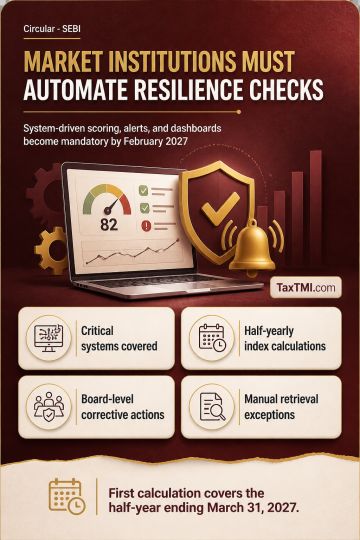
IT Resilience Index requires market infrastructure institutions to automate resilience scoring, early warnings, and continuous service-delivery monito...
The petitioner sought release of an export subsidy of Rs. 8,08,50,000/-. The respondent confirmed that the milk powder exported by the petitioner, amounting to 1617 metric tonnes, was from stock existing on June 30, 2018, entitling the petitioner to receive the export subsidy under the government resolution dated July 31, 2018. The court observed that once a similarly placed party like Indapur received such subsidy, which is a state largesse, the principles of reasonableness and fairness emanating from Article 14 of the Constitution of India require the respondents to extend similar treatment to the petitioner, who was identically placed. Differential treatment would result in a breach of the petitioner's right to non-discrimination under Article 14. The subsidy scheme is a welfare scheme, fully implemented and acted upon in Indapur's case. The Supreme Court judgments relied upon by the respondents regarding negative equality are distinguishable as the court had directed the release of export subsidy to Indapur based on its legal entitlement, without any illegality involved. Consequently, the respondents were directed to release the export subsidy amount of Rs. 8,08,50,000/- to the petitioner within six weeks.
The petitioner sought release of an export subsidy of Rs. 8,08,50,000/-. The respondent confirmed that the milk powder exported by the petitioner, amounting to 1617 metric tonnes, was from stock existing on June 30, 2018, entitling the petitioner to receive the export subsidy under the government resolution dated July 31, 2018. The court observed that once a similarly placed party like Indapur received such subsidy, which is a state largesse, the principles of reasonableness and fairness emanating from Article 14 of the Constitution of India require the respondents to extend similar treatment to the petitioner, who was identically placed. Differential treatment would result in a breach of the petitioner's right to non-discrimination under Article 14. The subsidy scheme is a welfare scheme, fully implemented and acted upon in Indapur's case. The Supreme Court judgments relied upon by the respondents regarding negative equality are distinguishable as the court had directed the release of export subsidy to Indapur based on its legal entitlement, without any illegality involved. Consequently, the respondents were directed to release the export subsidy amount of Rs. 8,08,50,000/- to the petitioner within six weeks.
Note: It is a system-generated summary and is for quick reference only.
 TaxTMI
  TaxTMI
 of 4828



 Join Channel