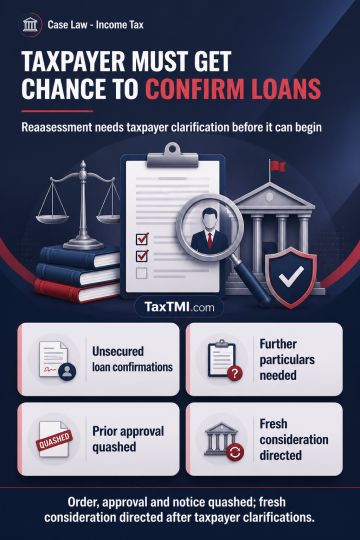
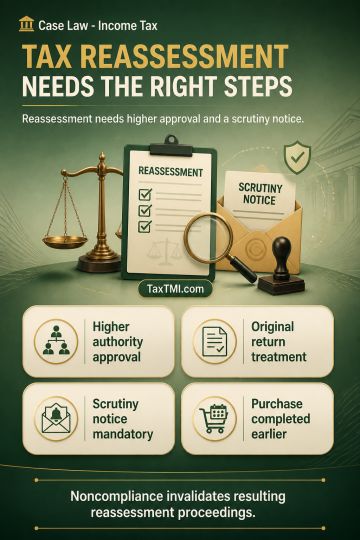
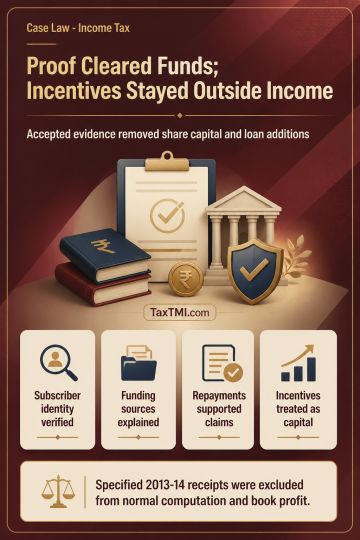
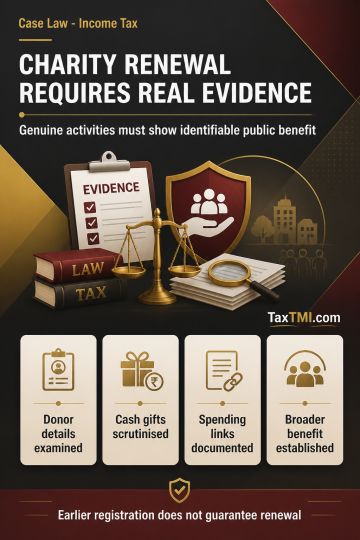
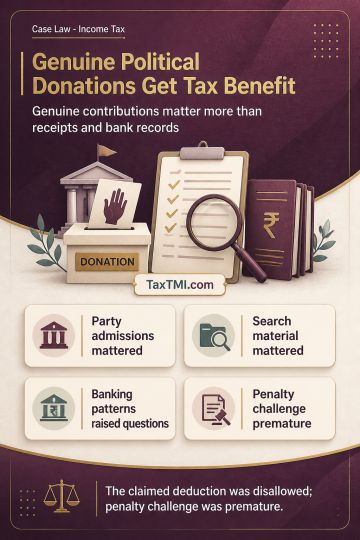
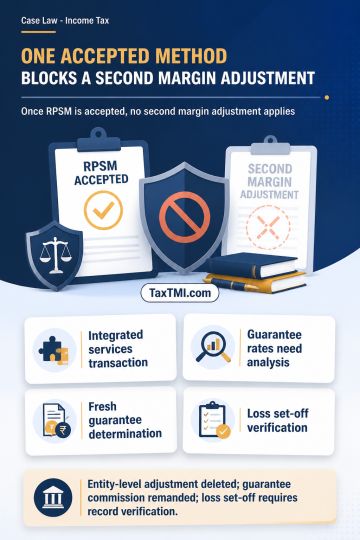
Opportunity to furnish unsecured-loan confirmations is required before reassessment initiation; proceedings require fresh consideration after taxpayer...
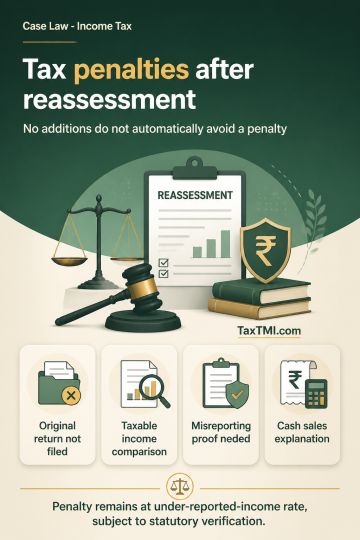
Under-reporting on a first reassessment return attracts penalty, while enhanced misreporting penalty requires proof of a statutory misreporting catego...
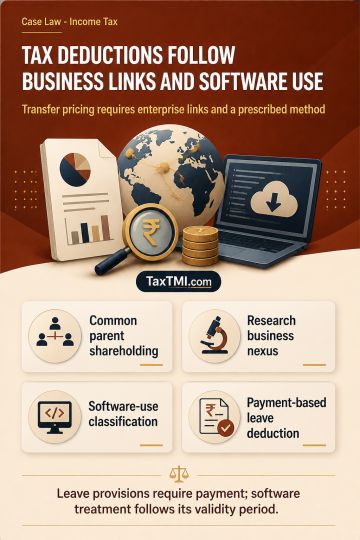
Form 26AS evidence requires successor-entity accounting verification after business transfer, while invoice-supported related-party advertising expend...
Non-disclosure of foreign assets and false statements made by the petitioners, office bearers of certain business establishments of two British Companies, u/s 50 of the Black Money Act. The Act came into force on 01-07-2015, and the petitioners were summoned and assessed u/s 10 in 2018. The High Court held that criminal law cannot be set into motion against the petitioners as it violates Article 20 of the Constitution, which is a fundamental right and supersedes any statutory provision. The rigour of the Act's provisions fails to pass the muster of Article 20, leading to the obliteration of the crime against the petitioners. The impugned order regarding criminal liability u/s 72(c) of the Act remains stayed.
Non-disclosure of foreign assets and false statements made by the petitioners, office bearers of certain business establishments of two British Companies, u/s 50 of the Black Money Act. The Act came into force on 01-07-2015, and the petitioners were summoned and assessed u/s 10 in 2018. The High Court held that criminal law cannot be set into motion against the petitioners as it violates Article 20 of the Constitution, which is a fundamental right and supersedes any statutory provision. The rigour of the Act's provisions fails to pass the muster of Article 20, leading to the obliteration of the crime against the petitioners. The impugned order regarding criminal liability u/s 72(c) of the Act remains stayed.
Note: It is a system-generated summary and is for quick reference only.
 TaxTMI
  TaxTMI
 of 4920