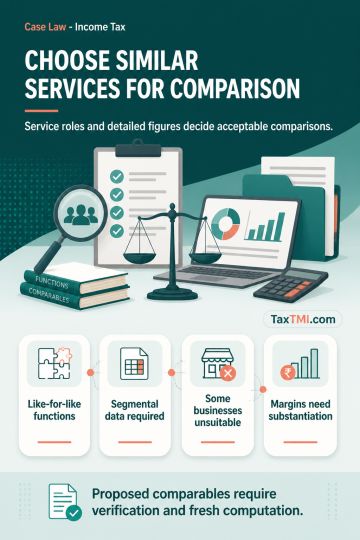
Functional comparability governs selection of support-service and IT-enabled service comparables, with verification required for unresolved data and m...
Bank account freezing requires statutory authority; anti-money-laundering compliance and KYC monitoring do not permit unilateral indefinite restrictio...
Insolvency and BankruptcyAugust 29, 2024Case LawsAT
The Appellate Tribunal dismissed the appeal, holding that there was no infirmity in the Adjudicating Authority's order rejecting the application to set aside the resolution of the Committee of Creditors (CoC) approving the Resolution Plan. The Appellant had previously challenged the same Resolution Plan in a separate application, which was dismissed by the NCLT and affirmed up to the Supreme Court. The Adjudicating Authority had rightly concluded that by allowing the 30-day extension and excluding the period of pendency of the Resolution Professional's application for seeking extension, the approval of the Resolution Plan by the CoC after the expiry of the CIRP period was valid.
The Appellate Tribunal dismissed the appeal, holding that there was no infirmity in the Adjudicating Authority's order rejecting the application to set aside the resolution of the Committee of Creditors (CoC) approving the Resolution Plan. The Appellant had previously challenged the same Resolution Plan in a separate application, which was dismissed by the NCLT and affirmed up to the Supreme Court. The Adjudicating Authority had rightly concluded that by allowing the 30-day extension and excluding the period of pendency of the Resolution Professional's application for seeking extension, the approval of the Resolution Plan by the CoC after the expiry of the CIRP period was valid.
Note: It is a system-generated summary and is for quick reference only.
 TaxTMI
  TaxTMI
 of 4828












 Join Channel