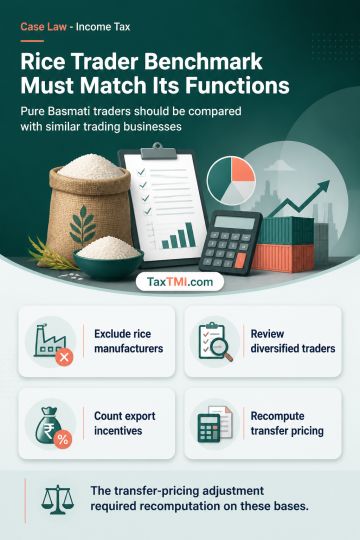
TNMM functional comparability requires excluding rice manufacturers from a pure Basmati rice trader's benchmark and recognising operating export recei...
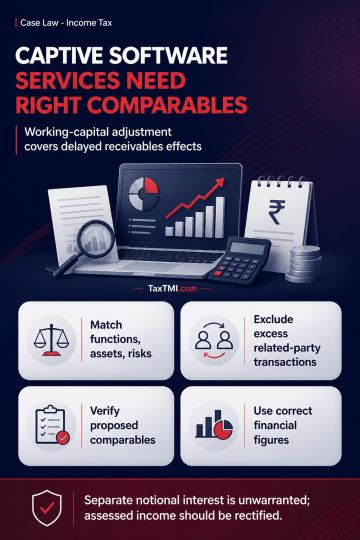
Working-capital adjustment subsumes delayed-receivable effects in TNMM benchmarking of captive software-development services, avoiding separate notion...
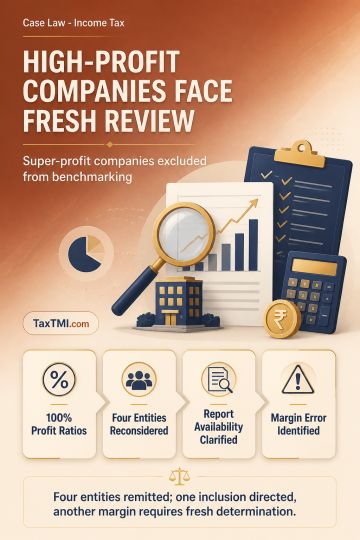
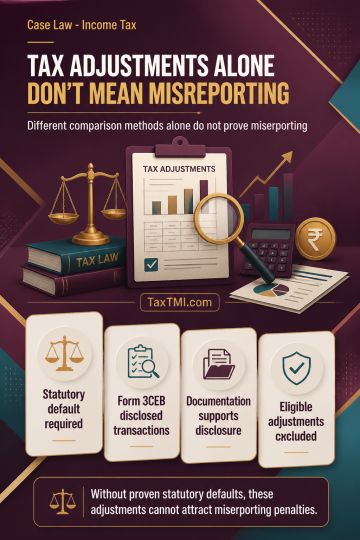
Transfer-pricing comparability requires exclusion of financially illogical super-profit comparables and correction of unsupported annual-report and ma...
Charitable character assessment preserves Section 80G approval despite inclusive spiritual teachings and incidental religious expenditure within the s...
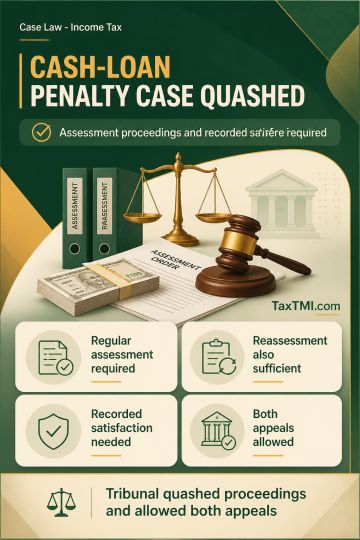
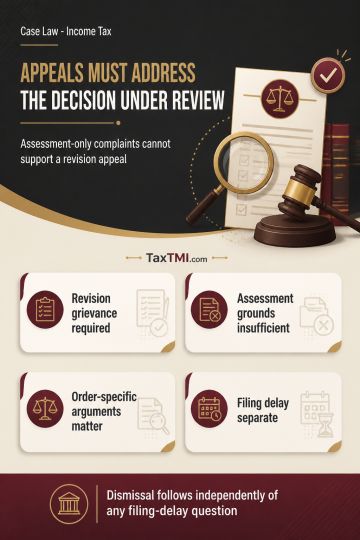
Penalty proceedings for cash-loan acceptance require assessment proceedings and recorded Assessing Officer satisfaction; absent these, the proceedings...
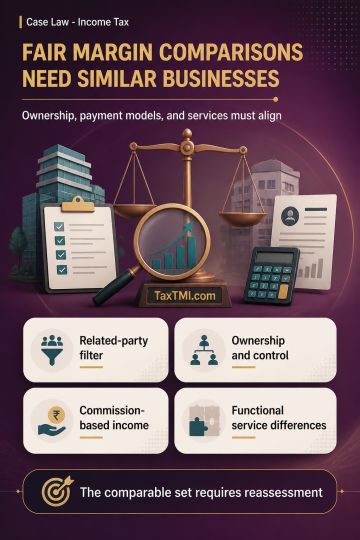
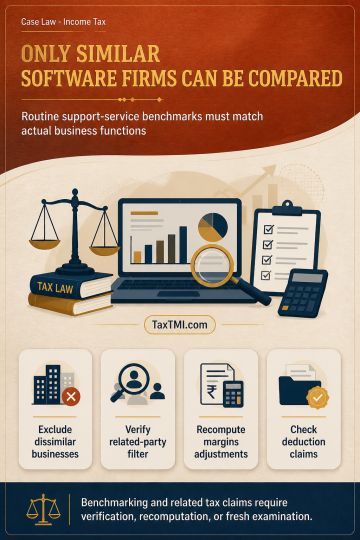
Functional comparability governs software-service benchmarking: dissimilar companies are excluded, while related-party filters, margins and working-ca...
Levy and collection of Special Additional Excise Duty (SAED), Road and Infrastructure Cess (RIC), and Agriculture Infrastructure and Development Cess (AIDC) on removal of High Speed Diesel manufactured in Special Economic Zone (SEZ) to Domestic Tariff Area (DTA). The provisions of the Central Excise Act, 1944 can be resorted to while construing the levy and collection under the three Finance Acts. The Supreme Court's judgment in Unicorn supports the appellant's case, holding that exemption provisions u/s 5A of the Central Excise Act could have been applied if the Central Government chose to do so. The appellant was justified in contending that the Central Excise Act provisions apply equally to the Finance Act provisions, and the Finance Act duties, being additional to excise duty, are in the nature of excise duty u/s 3 of the Central Excise Act. The impugned order is set aside, and the appeal is allowed.
Levy and collection of Special Additional Excise Duty (SAED), Road and Infrastructure Cess (RIC), and Agriculture Infrastructure and Development Cess (AIDC) on removal of High Speed Diesel manufactured in Special Economic Zone (SEZ) to Domestic Tariff Area (DTA). The provisions of the Central Excise Act, 1944 can be resorted to while construing the levy and collection under the three Finance Acts. The Supreme Court's judgment in Unicorn supports the appellant's case, holding that exemption provisions u/s 5A of the Central Excise Act could have been applied if the Central Government chose to do so. The appellant was justified in contending that the Central Excise Act provisions apply equally to the Finance Act provisions, and the Finance Act duties, being additional to excise duty, are in the nature of excise duty u/s 3 of the Central Excise Act. The impugned order is set aside, and the appeal is allowed.
Note: It is a system-generated summary and is for quick reference only.
 TaxTMI
  TaxTMI
 of 4830







 Join Channel


