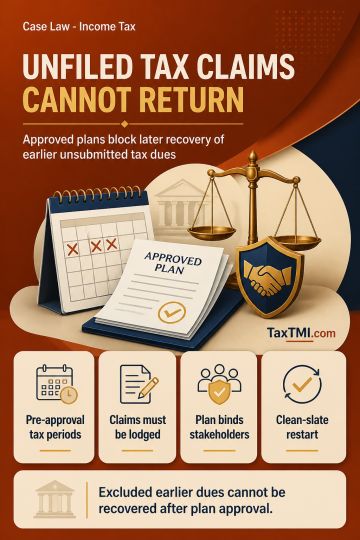
Approved resolution plans extinguish unsubmitted pre-approval tax claims, preventing later recovery outside the insolvency process and preserving a cl...
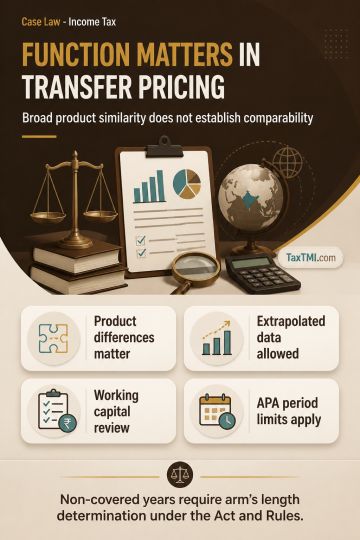
Transfer pricing comparability requires functional alignment and permits working capital adjustment, while APA margins cannot govern non-covered years...
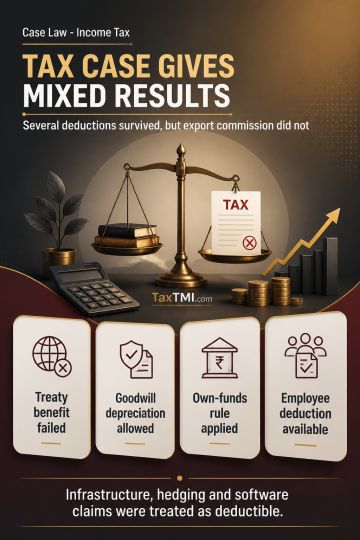
Treaty benefit, goodwill depreciation and hedging costs: export commission disallowed, while key business deductions and depreciation claims succeeded...
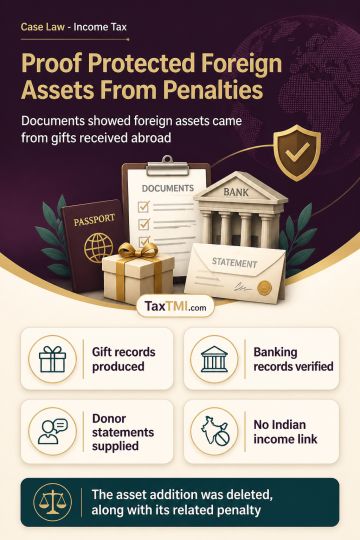
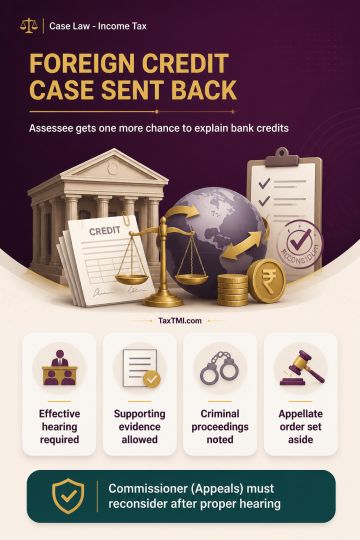
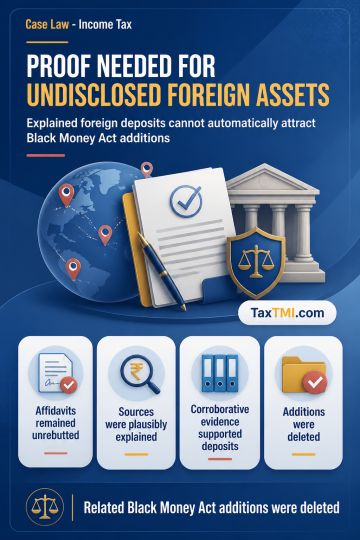
Undisclosed foreign asset classification requires an unexplained source; unrebutted affidavits and corroborative evidence defeated the Black Money Act...
The appeal challenges the revocation of customs broker license, forfeiture of security deposit, and penalty imposed for alleged violations of Regulations 10(d) and 10(n) of Customs Brokers Licensing Regulations (CBLR). Regarding Regulation 10(d) violation, it was held that the appellants, being customs brokers (CB), neither had contact with the exporter nor informed the delay in export consignment, but they were not responsible for the mis-declaration of goods as 'Kraft paper' instead of prohibited 'Red Sanders' in the shipping bill filed online by another CB. As for Regulation 10(n) violation, the allegation of not conducting proper KYC verification of the exporter was rejected, as the appellants had initially obtained KYC documents and later transferred the consignment to another CB in Pune. The Delhi High Court had held that a CB is not an expert to identify mis-declaration of goods. Since the appellants were not handling the export consignment, they cannot be held responsible for violating Regulations 10(d) and 10(n). The impugned order revoking the CB license, forfeiting the security deposit, and imposing penalty was set aside by the Appellate Tribunal as it was contrary to facts and unsustainable in law.
The appeal challenges the revocation of customs broker license, forfeiture of security deposit, and penalty imposed for alleged violations of Regulations 10(d) and 10(n) of Customs Brokers Licensing Regulations (CBLR). Regarding Regulation 10(d) violation, it was held that the appellants, being customs brokers (CB), neither had contact with the exporter nor informed the delay in export consignment, but they were not responsible for the mis-declaration of goods as 'Kraft paper' instead of prohibited 'Red Sanders' in the shipping bill filed online by another CB. As for Regulation 10(n) violation, the allegation of not conducting proper KYC verification of the exporter was rejected, as the appellants had initially obtained KYC documents and later transferred the consignment to another CB in Pune. The Delhi High Court had held that a CB is not an expert to identify mis-declaration of goods. Since the appellants were not handling the export consignment, they cannot be held responsible for violating Regulations 10(d) and 10(n). The impugned order revoking the CB license, forfeiting the security deposit, and imposing penalty was set aside by the Appellate Tribunal as it was contrary to facts and unsustainable in law.
Note: It is a system-generated summary and is for quick reference only.
 TaxTMI
 of 4803




 Join Channel


 TaxTMI