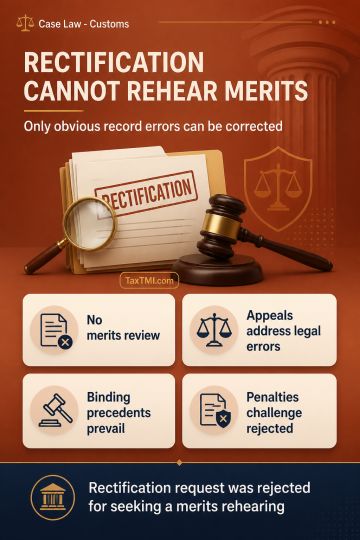
Rectification of mistake remains limited to self-evident record errors, preventing merits review through miscellaneous applications and preserving fin...
Tender creditworthiness conditions may extend to de facto Promoter Directors, with post-participation challenges generally barred absent arbitrariness...
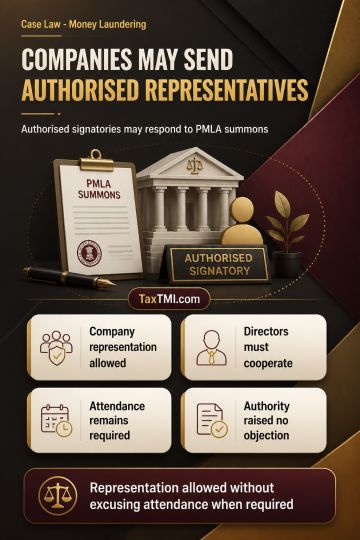
Corporate representation in PMLA summons proceedings permitted through an authorised signatory, subject to directors' continuing cooperation and atten...
Helicopter charter classification requires effective control analysis, while territorial performance, reasoned credit orders and wilful suppression de...
Specified fund definition expands PAN exemption eligibility for registered alternative investment funds and qualifying International Financial Service...
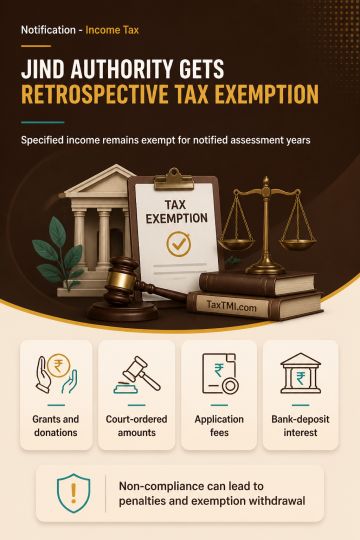
Tax exemption for specified legal-services authority income applies retrospectively, subject to non-commercial activity, unchanged income sources, and...
The Supreme Court quashed the summoning order issued for offences u/ss 406, 420 and 120B of the Indian Penal Code, 1860, emphasizing the non-application of mind by the lower courts. It clarified the distinction between criminal breach of trust and cheating, stating that vicarious liability cannot be attributed to office bearers for these offences unless a statutory provision exists. Mere breach of contract or trust does not constitute criminal breach of trust or cheating unless fraudulent intention is proven from inception. In sale of goods, failure to pay consideration cannot amount to criminal breach of trust as the property passes to the purchaser upon delivery. The magistrate and police must carefully apply their mind to ascertain if allegations genuinely constitute these offences before taking cognizance or registering FIR.
The Supreme Court quashed the summoning order issued for offences u/ss 406, 420 and 120B of the Indian Penal Code, 1860, emphasizing the non-application of mind by the lower courts. It clarified the distinction between criminal breach of trust and cheating, stating that vicarious liability cannot be attributed to office bearers for these offences unless a statutory provision exists. Mere breach of contract or trust does not constitute criminal breach of trust or cheating unless fraudulent intention is proven from inception. In sale of goods, failure to pay consideration cannot amount to criminal breach of trust as the property passes to the purchaser upon delivery. The magistrate and police must carefully apply their mind to ascertain if allegations genuinely constitute these offences before taking cognizance or registering FIR.
Note: It is a system-generated summary and is for quick reference only.
 TaxTMI
 of 4803
















 Join Channel


 TaxTMI