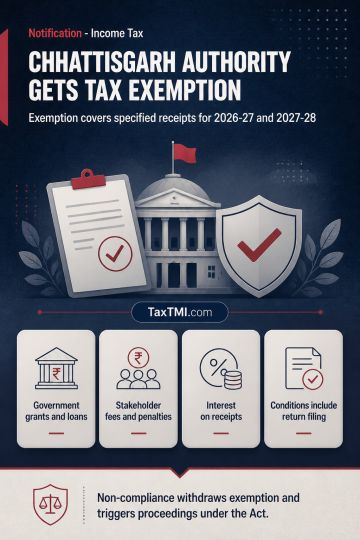
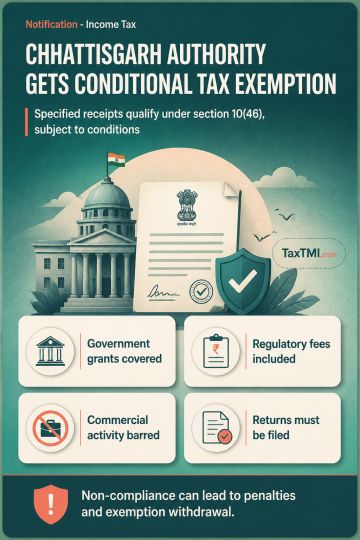
Specified regulatory authority income receives conditional tax exemption, subject to non-commercial activity, unchanged income character, and return f...
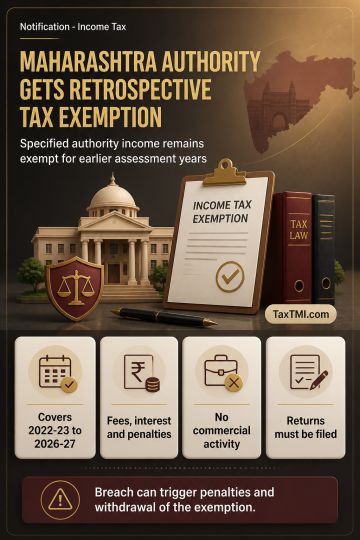
Tax exemption for regulatory authority income applies retrospectively, subject to non-commercial activity, unchanged income sources, and return-filing...
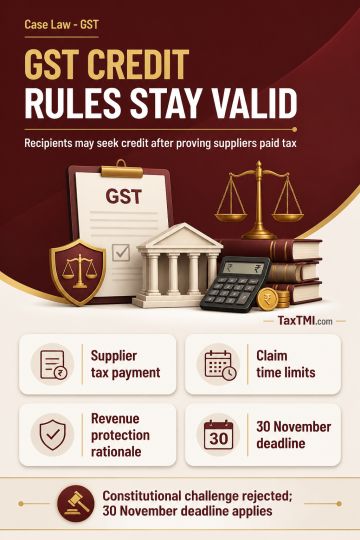
Input tax credit conditions remain constitutionally valid, with eligible recipient claims considered under GST circulars and retrospective filing dead...
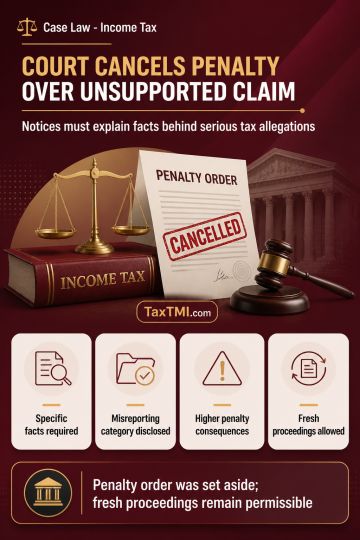
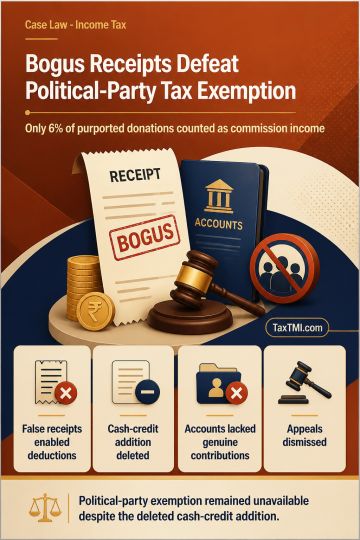
Bogus donation receipts justified commission income assessment and defeated political-party tax exemption for inaccurate accounts and reporting failur...
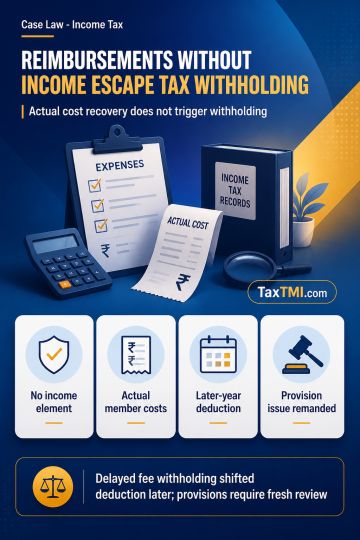
Pure reimbursement without income element escapes tax withholding, while delayed withholding and unsupported provisions face deferred or renewed scrut...
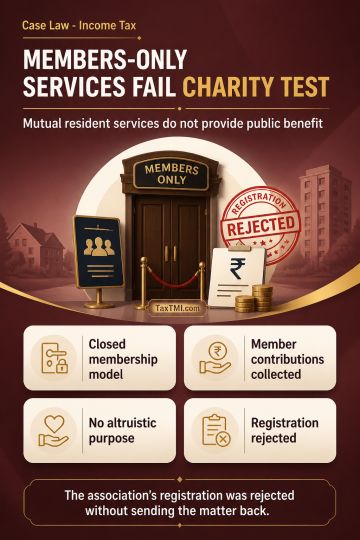
Public benefit requirement defeats charitable registration where residents' association services are reciprocal, member-only facilities governed by mu...
The draft modalities outline the proposed operations for E-Commerce Export Hubs (ECEH), designated areas facilitating cross-border e-commerce activities. Key aspects include movement of goods from supplier to ECEH under GST documentation, pre-screening by ECEH operator, segregated fulfilment and customs clearance areas, fulfilment processes like packaging and labelling, customs clearance workflow involving shipping bill filing, risk management, examination if required, let export order, transshipment to port, and export general manifest filing. The process aims to provide predictability, shorter turnaround times, easy re-import for returns/rejects, and bringing stakeholders under one roof, while ensuring GST and customs compliance through electronic systems integration.
The draft modalities outline the proposed operations for E-Commerce Export Hubs (ECEH), designated areas facilitating cross-border e-commerce activities. Key aspects include movement of goods from supplier to ECEH under GST documentation, pre-screening by ECEH operator, segregated fulfilment and customs clearance areas, fulfilment processes like packaging and labelling, customs clearance workflow involving shipping bill filing, risk management, examination if required, let export order, transshipment to port, and export general manifest filing. The process aims to provide predictability, shorter turnaround times, easy re-import for returns/rejects, and bringing stakeholders under one roof, while ensuring GST and customs compliance through electronic systems integration.
Note: It is a system-generated summary and is for quick reference only.
 TaxTMI
 of 4801




 Join Channel


 TaxTMI
