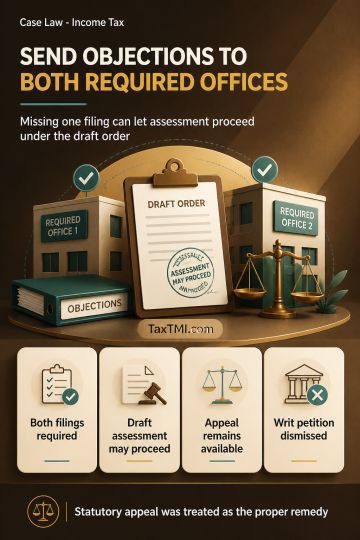
Dispute Resolution Panel objections must reach both prescribed forums; otherwise assessment may proceed and statutory appeal remains the proper remedy...
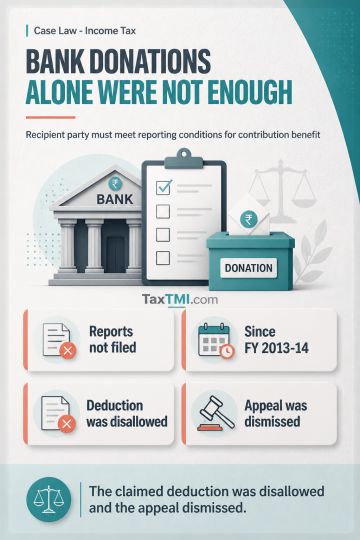
Political contribution deductions require recipient party compliance with contribution-reporting conditions; banking-channel donations alone do not qu...
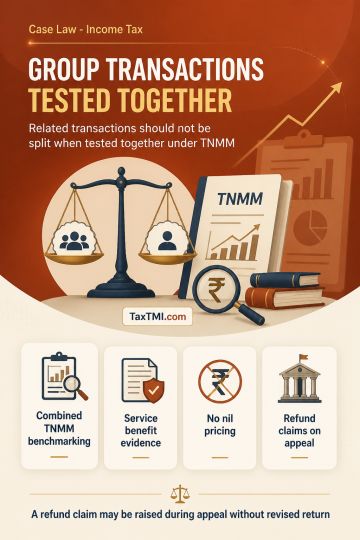
Aggregation under TNMM prevents selective testing of intra-group services without comparable uncontrolled transactions, while appellate additional cla...
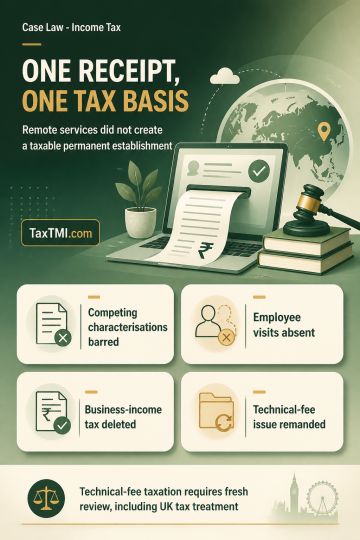
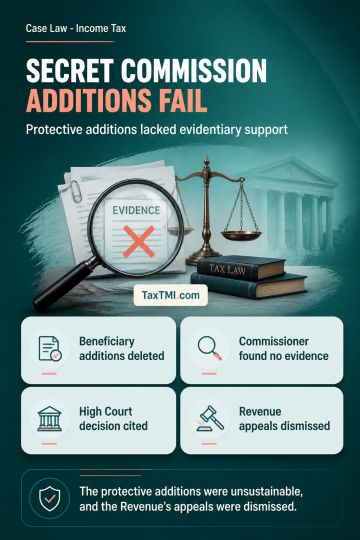
Protective assessment cannot duplicate identical receipts under competing characterisations; remote services did not establish a taxable permanent est...
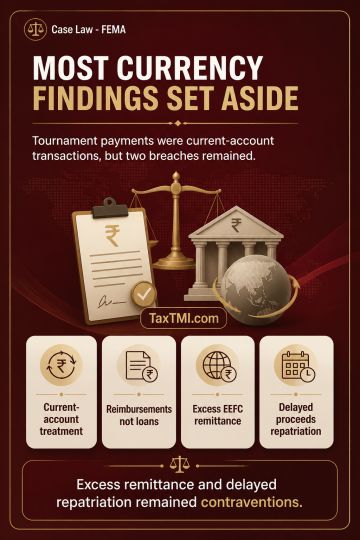
Current account treatment of overseas tournament services removed most FEMA findings, but excess EEFC remittance and delayed repatriation remained bre...
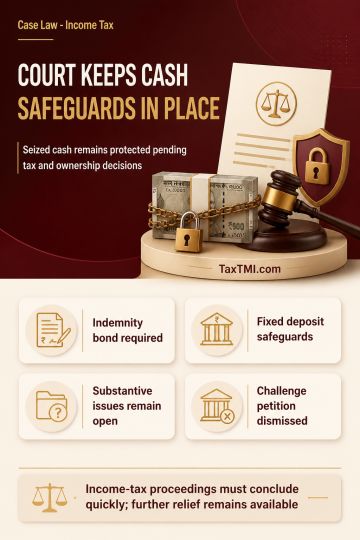
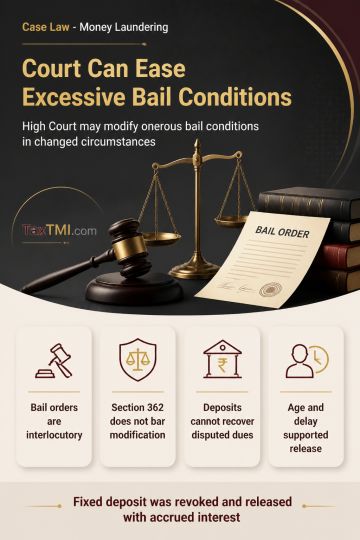
Modification of bail conditions remains available through inherent jurisdiction where onerous deposits undermine justice and cannot recover disputed d...
The draft modalities outline the proposed operations for E-Commerce Export Hubs (ECEH), designated areas facilitating cross-border e-commerce activities. Key aspects include movement of goods from supplier to ECEH under GST documentation, pre-screening by ECEH operator, segregated fulfilment and customs clearance areas, fulfilment processes like packaging and labelling, customs clearance workflow involving shipping bill filing, risk management, examination if required, let export order, transshipment to port, and export general manifest filing. The process aims to provide predictability, shorter turnaround times, easy re-import for returns/rejects, and bringing stakeholders under one roof, while ensuring GST and customs compliance through electronic systems integration.
The draft modalities outline the proposed operations for E-Commerce Export Hubs (ECEH), designated areas facilitating cross-border e-commerce activities. Key aspects include movement of goods from supplier to ECEH under GST documentation, pre-screening by ECEH operator, segregated fulfilment and customs clearance areas, fulfilment processes like packaging and labelling, customs clearance workflow involving shipping bill filing, risk management, examination if required, let export order, transshipment to port, and export general manifest filing. The process aims to provide predictability, shorter turnaround times, easy re-import for returns/rejects, and bringing stakeholders under one roof, while ensuring GST and customs compliance through electronic systems integration.
Note: It is a system-generated summary and is for quick reference only.
 TaxTMI
 of 4800




 Join Channel


 TaxTMI
