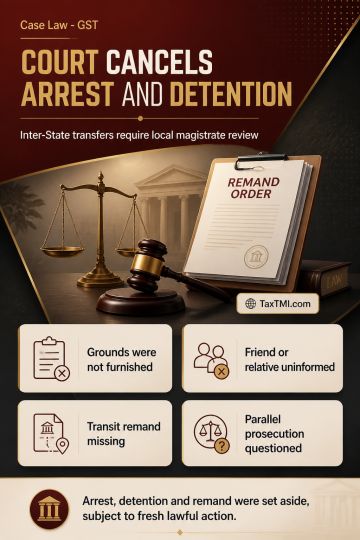
Arrest safeguards and transit remand requirements invalidated detention following inter-State transfer without communicated grounds or magistrate auth...
Arrest safeguards require disclosed grounds, relative intimation and transit remand, while duplicate prosecution under the CGST framework is unsustain...
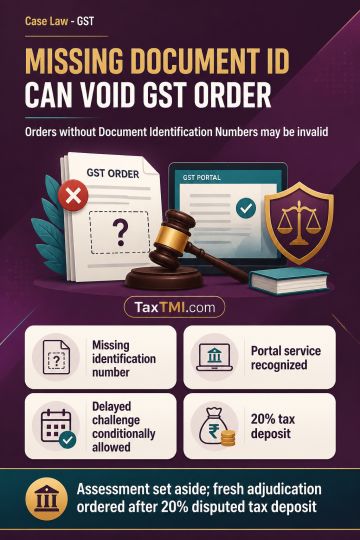
Document Identification Number defects can invalidate GST assessments, with delayed challenges entertained conditionally where patent irregularities e...
Windmill commissioning evidence supported higher depreciation where grid connection and electricity generation proved operational use before the relev...
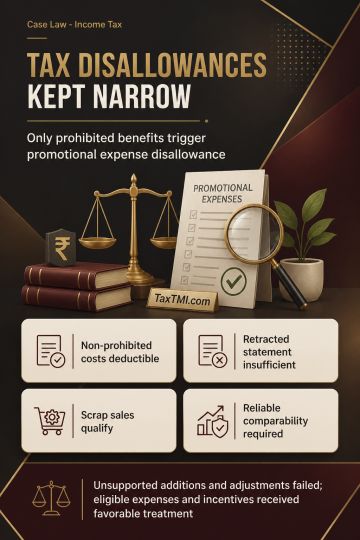
Pharmaceutical promotion and transfer-pricing comparability principles limited disallowances, while uncorroborated search allegations and unsupported ...
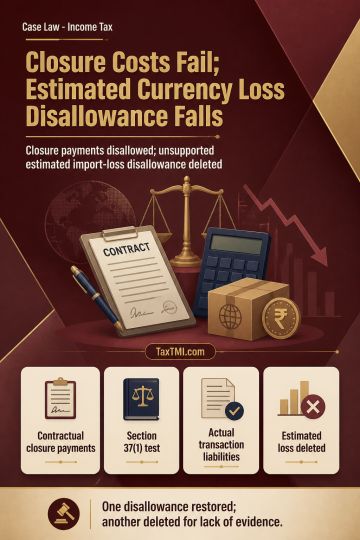
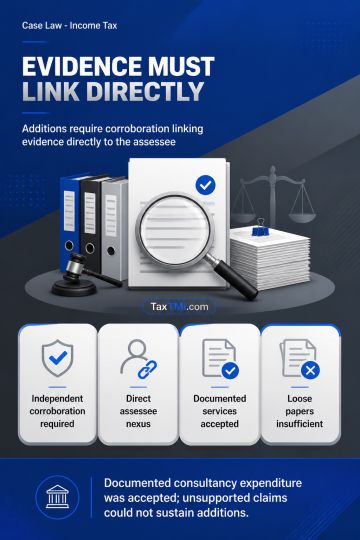
Business expenditure substantiation supports scrap credits, statutory payments and expense claims, while depreciation requires proof of actual busines...
Insolvency and BankruptcyAugust 27, 2024Case LawsHC
Maintainability of an interim application seeking summary judgment under the Code of Civil Procedure for enforcing claims arising from bunker supplies made to defendant vessels. The court held that the plaintiff has proceeded in rem against the defendant vessel, claimed to be beneficially owned by the defendant, for a defined class of maritime claim under the Admiralty Act. The court rejected the defendant's contention that the plaintiff's claim is an in personam claim, precluding an action in rem against the res. The court clarified that Section 14 of the Insolvency and Bankruptcy Code does not prohibit an action in rem or continuation of in rem proceedings against a maritime vessel. To affect an arrest under the Admiralty Act, the owner of the vessel must be liable for a maritime claim and must be the owner when the arrest is effected, with no restriction on a time charterer being the owner. However, the plaintiff cannot seek summary judgment without evidence for establishing the defendant as the real owner of the vessel for certain supplies. The suit shall continue against the defendant for those supplies.
Maintainability of an interim application seeking summary judgment under the Code of Civil Procedure for enforcing claims arising from bunker supplies made to defendant vessels. The court held that the plaintiff has proceeded in rem against the defendant vessel, claimed to be beneficially owned by the defendant, for a defined class of maritime claim under the Admiralty Act. The court rejected the defendant's contention that the plaintiff's claim is an in personam claim, precluding an action in rem against the res. The court clarified that Section 14 of the Insolvency and Bankruptcy Code does not prohibit an action in rem or continuation of in rem proceedings against a maritime vessel. To affect an arrest under the Admiralty Act, the owner of the vessel must be liable for a maritime claim and must be the owner when the arrest is effected, with no restriction on a time charterer being the owner. However, the plaintiff cannot seek summary judgment without evidence for establishing the defendant as the real owner of the vessel for certain supplies. The suit shall continue against the defendant for those supplies.
Note: It is a system-generated summary and is for quick reference only.
 TaxTMI
 of 4792
















 Join Channel


 TaxTMI