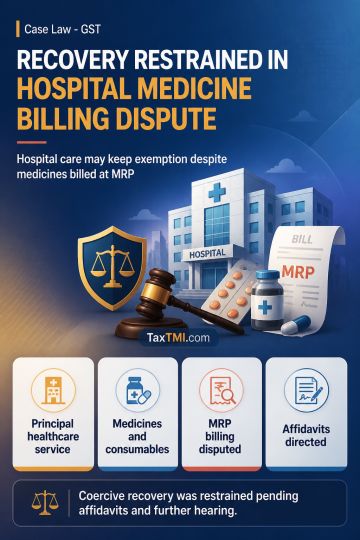
Composite inpatient healthcare supply may retain exemption despite MRP medicine billing, while separate taxable sale characterisation remains disputed...
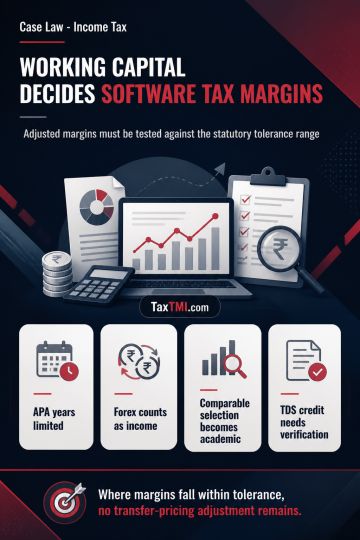
Working-capital adjustment determines whether software-services transfer-pricing margins fall within the statutory tolerance range, eliminating any ad...
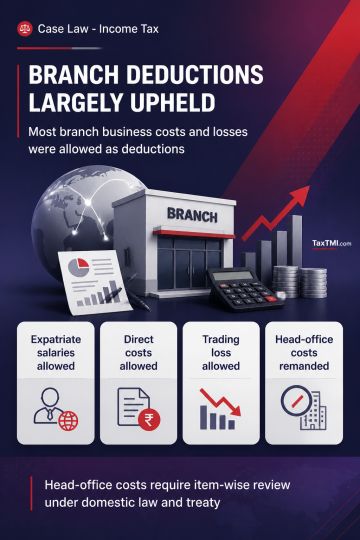
Permanent establishment deductions upheld for expatriate salaries, direct costs and trading losses, while head-office costs require fresh classificati...
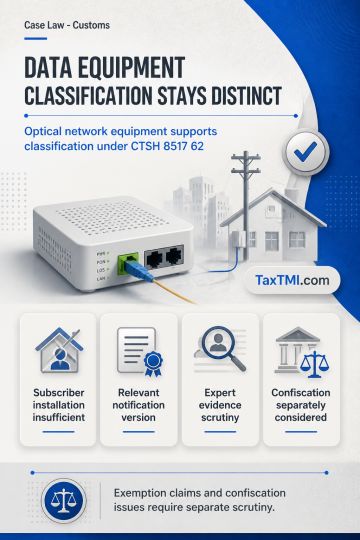
Data transmission equipment classification under CTSH 8517 62 remains distinct from residual classification, with exemption evidence requiring scrutin...
The High Court accepted the petitioner's contention that they were prevented from filing an appeal within the stipulated time due to the delay in communicating the impugned order. Despite the provision stating that the limitation period commences from the date of passing the order, the court held that since there is a provision for filing an appeal, it necessarily implies that the factual aspects shall be examined by the Appellate Authority. Consequently, the petition was disposed of, allowing the petitioner to file an appeal against the impugned order within the prescribed time limit from the date of receiving the order's communication.
The High Court accepted the petitioner's contention that they were prevented from filing an appeal within the stipulated time due to the delay in communicating the impugned order. Despite the provision stating that the limitation period commences from the date of passing the order, the court held that since there is a provision for filing an appeal, it necessarily implies that the factual aspects shall be examined by the Appellate Authority. Consequently, the petition was disposed of, allowing the petitioner to file an appeal against the impugned order within the prescribed time limit from the date of receiving the order's communication.
Note: It is a system-generated summary and is for quick reference only.
 TaxTMI
 of 4803










 Join Channel


 TaxTMI
