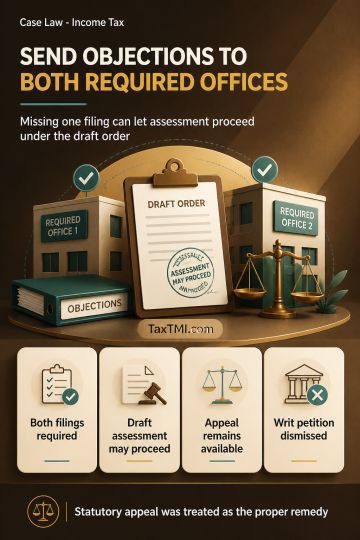
Dispute Resolution Panel objections must reach both prescribed forums; otherwise assessment may proceed and statutory appeal remains the proper remedy...
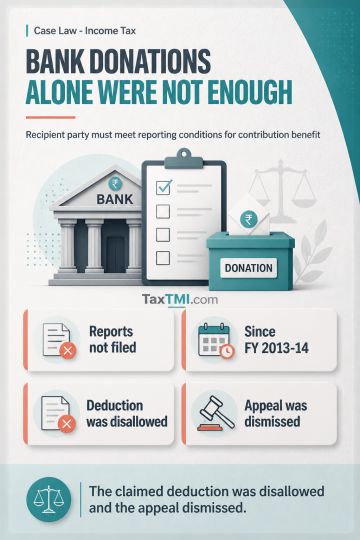
Political contribution deductions require recipient party compliance with contribution-reporting conditions; banking-channel donations alone do not qu...
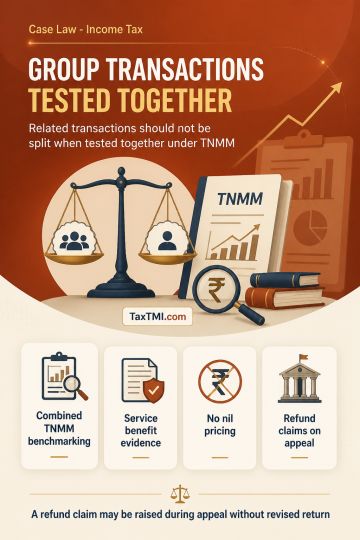
Aggregation under TNMM prevents selective testing of intra-group services without comparable uncontrolled transactions, while appellate additional cla...
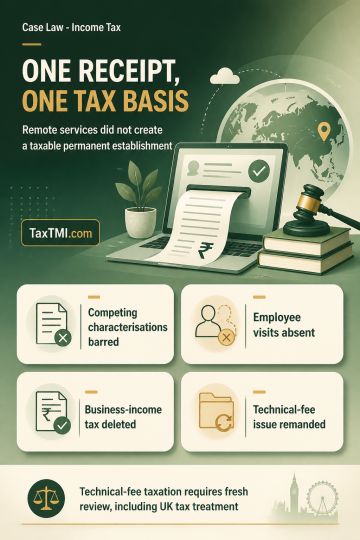
Protective assessment cannot duplicate identical receipts under competing characterisations; remote services did not establish a taxable permanent est...
Jurisdiction to issue show cause notice (SCN), authority adjudicating the matter despite being different from the issuing authority, admissibility of CENVAT credit based on invoices, and the requirement of duty-paying documents. The Tribunal held that the allegation challenging jurisdiction is unsustainable as the adjudicating authority has competent jurisdiction despite being different from the SCN issuing authority. Regarding CENVAT credit, invoices issued by service providers are sufficient proof, and Rule 4A of Service Tax Rules mandates issuance of invoices within 30 days. Although invoices were in the name of other plants, the appellant accounted for them, and the revenue failed to prove otherwise. The invoices contained requisite details u/r 9(2) proviso of Credit Rules, and CENVAT credit cannot be denied. The CA certificate confirmed credit availed only by the appellant. As credit is a vested right once entitlement is undisputed, the impugned order was set aside, and the appeal was allowed.
Jurisdiction to issue show cause notice (SCN), authority adjudicating the matter despite being different from the issuing authority, admissibility of CENVAT credit based on invoices, and the requirement of duty-paying documents. The Tribunal held that the allegation challenging jurisdiction is unsustainable as the adjudicating authority has competent jurisdiction despite being different from the SCN issuing authority. Regarding CENVAT credit, invoices issued by service providers are sufficient proof, and Rule 4A of Service Tax Rules mandates issuance of invoices within 30 days. Although invoices were in the name of other plants, the appellant accounted for them, and the revenue failed to prove otherwise. The invoices contained requisite details u/r 9(2) proviso of Credit Rules, and CENVAT credit cannot be denied. The CA certificate confirmed credit availed only by the appellant. As credit is a vested right once entitlement is undisputed, the impugned order was set aside, and the appeal was allowed.
Note: It is a system-generated summary and is for quick reference only.
 TaxTMI
 of 4788



 Join Channel


 TaxTMI
