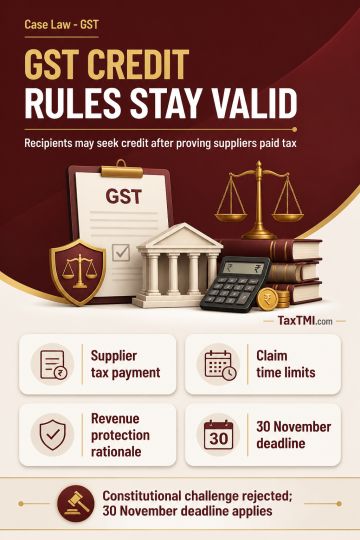
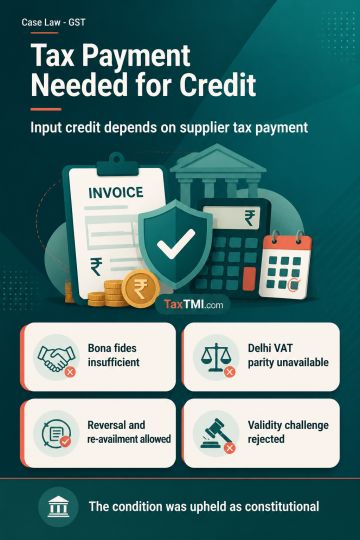
Input tax credit conditions remain constitutionally valid, with eligible recipient claims considered under GST circulars and retrospective filing dead...
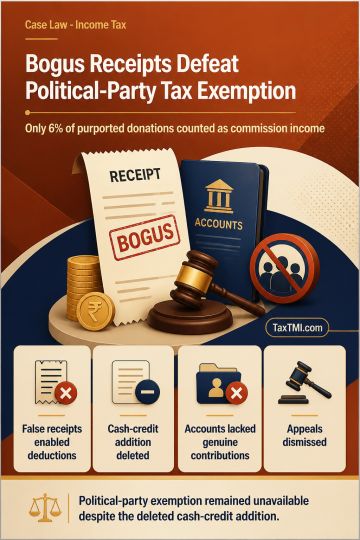
Bogus donation receipts justified commission income assessment and defeated political-party tax exemption for inaccurate accounts and reporting failur...
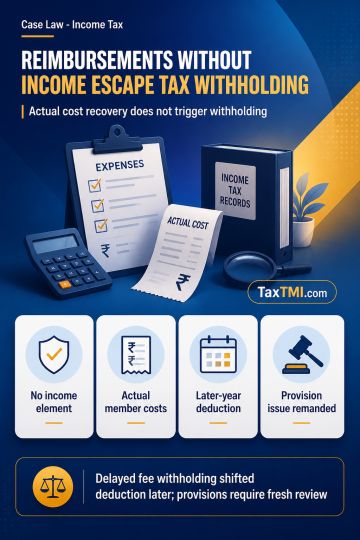
Pure reimbursement without income element escapes tax withholding, while delayed withholding and unsupported provisions face deferred or renewed scrut...
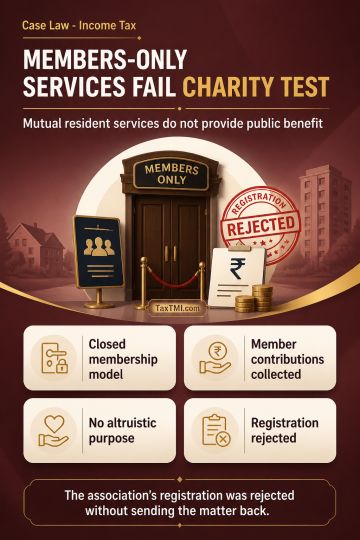
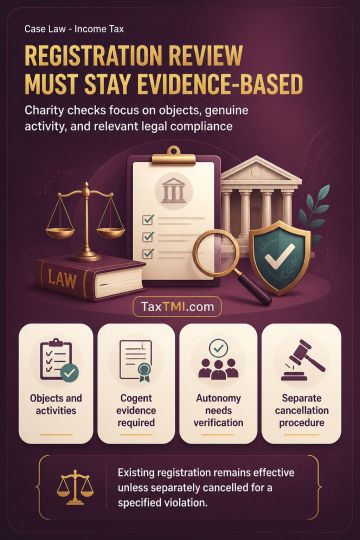
Public benefit requirement defeats charitable registration where residents' association services are reciprocal, member-only facilities governed by mu...
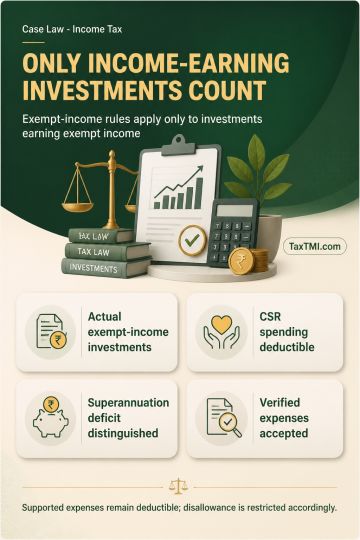
Exempt-income expenditure disallowance is confined to investments that actually generated exempt income, while supported business expenses remain dedu...
The Appellate Tribunal examined the issue of invoking revisional jurisdiction u/s 263 in a case involving receipts of accommodation entries and reopening of assessment. The crux was the distinction between 'lack of inquiry' and 'inadequate inquiry' by the Assessing Officer (AO). It was held that if the AO conducted any inquiry, even if inadequate, it would not justify the Commissioner's intervention u/s 263 merely due to a different opinion. Lack of inquiry is the sole ground for exercising revisional powers. In the present case, the AO made detailed inquiries on the accommodation entry issue, which the assessee denied, and no further evidence was provided. Hence, it could not be treated as a lack of inquiry. The AO had applied their mind and accepted the assessee's explanation after reopening the case. Consequently, the Principal Commissioner was not justified in invoking revisional jurisdiction u/s 263, and the decision favored the assessee.
The Appellate Tribunal examined the issue of invoking revisional jurisdiction u/s 263 in a case involving receipts of accommodation entries and reopening of assessment. The crux was the distinction between 'lack of inquiry' and 'inadequate inquiry' by the Assessing Officer (AO). It was held that if the AO conducted any inquiry, even if inadequate, it would not justify the Commissioner's intervention u/s 263 merely due to a different opinion. Lack of inquiry is the sole ground for exercising revisional powers. In the present case, the AO made detailed inquiries on the accommodation entry issue, which the assessee denied, and no further evidence was provided. Hence, it could not be treated as a lack of inquiry. The AO had applied their mind and accepted the assessee's explanation after reopening the case. Consequently, the Principal Commissioner was not justified in invoking revisional jurisdiction u/s 263, and the decision favored the assessee.
Note: It is a system-generated summary and is for quick reference only.
 TaxTMI
 of 4786



 Join Channel


 TaxTMI