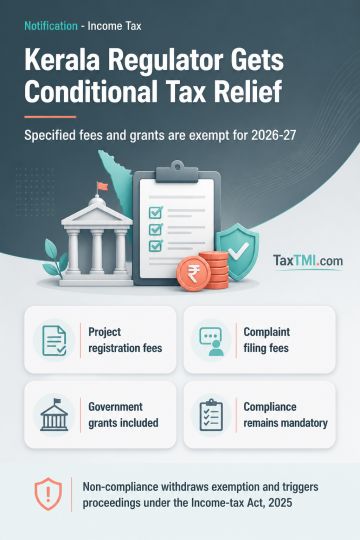
Income-tax exemption for specified regulatory fees and government grants applies subject to non-commercial activity and continuing compliance conditio...
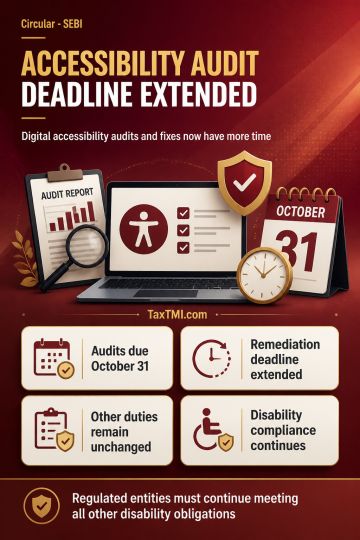
Digital accessibility audit and remediation deadlines extended, while all other disability-compliance obligations for regulated entities remain unchan...
The Appellate Tribunal examined the issue of invoking revisional jurisdiction u/s 263 in a case involving receipts of accommodation entries and reopening of assessment. The crux was the distinction between 'lack of inquiry' and 'inadequate inquiry' by the Assessing Officer (AO). It was held that if the AO conducted any inquiry, even if inadequate, it would not justify the Commissioner's intervention u/s 263 merely due to a different opinion. Lack of inquiry is the sole ground for exercising revisional powers. In the present case, the AO made detailed inquiries on the accommodation entry issue, which the assessee denied, and no further evidence was provided. Hence, it could not be treated as a lack of inquiry. The AO had applied their mind and accepted the assessee's explanation after reopening the case. Consequently, the Principal Commissioner was not justified in invoking revisional jurisdiction u/s 263, and the decision favored the assessee.
The Appellate Tribunal examined the issue of invoking revisional jurisdiction u/s 263 in a case involving receipts of accommodation entries and reopening of assessment. The crux was the distinction between 'lack of inquiry' and 'inadequate inquiry' by the Assessing Officer (AO). It was held that if the AO conducted any inquiry, even if inadequate, it would not justify the Commissioner's intervention u/s 263 merely due to a different opinion. Lack of inquiry is the sole ground for exercising revisional powers. In the present case, the AO made detailed inquiries on the accommodation entry issue, which the assessee denied, and no further evidence was provided. Hence, it could not be treated as a lack of inquiry. The AO had applied their mind and accepted the assessee's explanation after reopening the case. Consequently, the Principal Commissioner was not justified in invoking revisional jurisdiction u/s 263, and the decision favored the assessee.
Note: It is a system-generated summary and is for quick reference only.
 TaxTMI
 of 4784




 Join Channel


 TaxTMI
