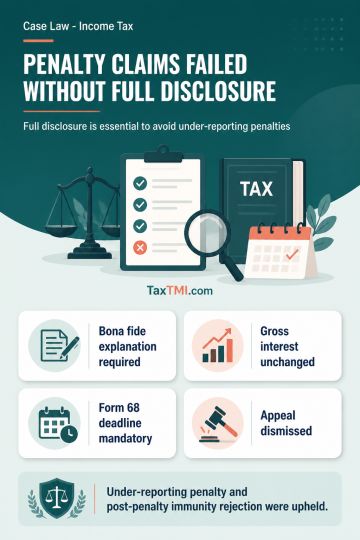
Bona fide disclosure requirements govern under-reporting penalties, and post-penalty immunity applications cannot secure available statutory protectio...
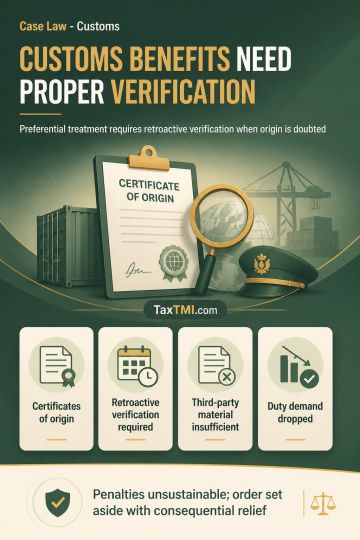
Certificate-of-origin verification procedure governs preferential customs benefits; denial without retroactive verification was set aside with consequ...
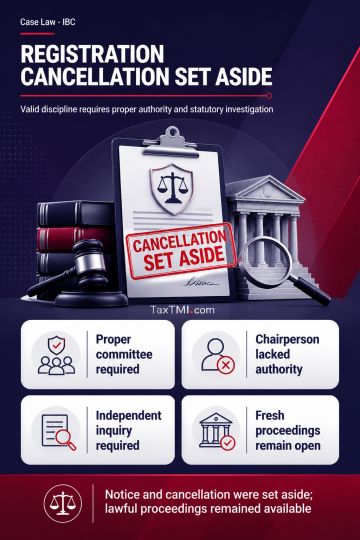
Disciplinary Committee jurisdiction and mandatory investigation requirements invalidated cancellation of an insolvency professional's registration and...
Retention of seized property survives where recorded reasons support proceeds of crime, while stayed investigation periods are excluded from limitatio...
Insolvency and BankruptcyAugust 24, 2024Case LawsAT
The Appellate Tribunal examined the denial of natural justice to the Appellant by the Adjudicating Authority, the invocation of the Deed of Guarantee circumscribed by the Put Option Agreement, and the Appellant's entitlement to object to the Assignment Agreement between the original lender and the Respondent. The Tribunal held that the Adjudicating Authority did not commit any error in reserving the matter for orders due to the stringent timelines under the IBC. The Deed of Guarantee is an independent contract, and the Appellant was obligated to honor it upon the Corporate Debtor's failure to repay the debt. The Assignment Agreement validly substituted the Respondent in place of the original lender, and the Appellant had no locus to challenge it. The Tribunal dismissed the appeal, finding no error in admitting the Section 95 application against the Appellant.
The Appellate Tribunal examined the denial of natural justice to the Appellant by the Adjudicating Authority, the invocation of the Deed of Guarantee circumscribed by the Put Option Agreement, and the Appellant's entitlement to object to the Assignment Agreement between the original lender and the Respondent. The Tribunal held that the Adjudicating Authority did not commit any error in reserving the matter for orders due to the stringent timelines under the IBC. The Deed of Guarantee is an independent contract, and the Appellant was obligated to honor it upon the Corporate Debtor's failure to repay the debt. The Assignment Agreement validly substituted the Respondent in place of the original lender, and the Appellant had no locus to challenge it. The Tribunal dismissed the appeal, finding no error in admitting the Section 95 application against the Appellant.
Note: It is a system-generated summary and is for quick reference only.
 TaxTMI
 of 4792














 Join Channel


 TaxTMI
