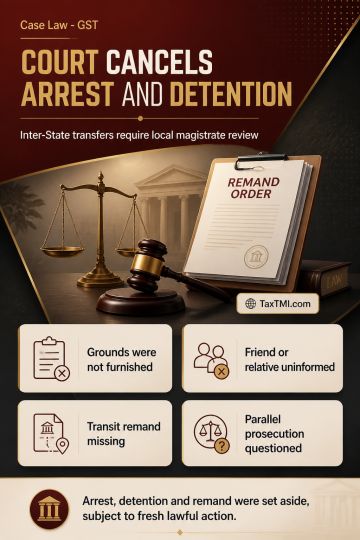
Arrest safeguards and transit remand requirements invalidated detention following inter-State transfer without communicated grounds or magistrate auth...
Arrest safeguards require disclosed grounds, relative intimation and transit remand, while duplicate prosecution under the CGST framework is unsustain...
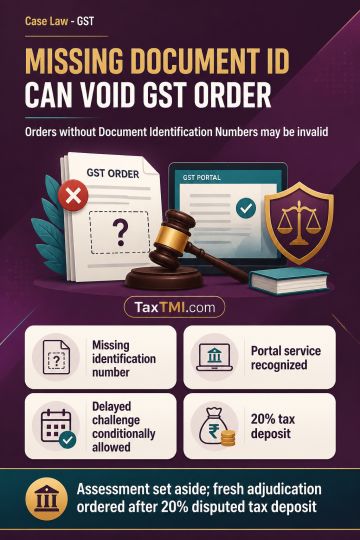
Document Identification Number defects can invalidate GST assessments, with delayed challenges entertained conditionally where patent irregularities e...
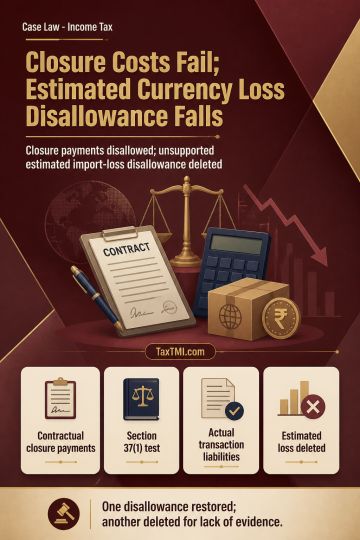
Windmill commissioning evidence supported higher depreciation where grid connection and electricity generation proved operational use before the relev...
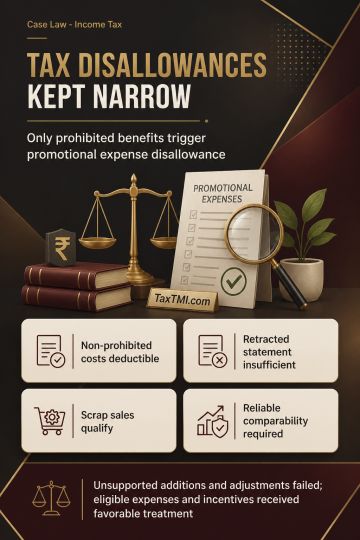
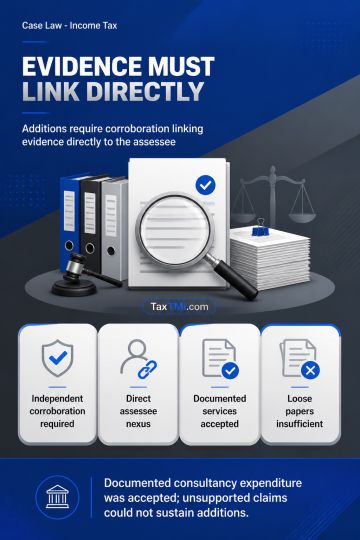
Pharmaceutical promotion and transfer-pricing comparability principles limited disallowances, while uncorroborated search allegations and unsupported ...
Insolvency and BankruptcyAugust 24, 2024Case LawsAT
The Appellate Tribunal examined the denial of natural justice to the Appellant by the Adjudicating Authority, the invocation of the Deed of Guarantee circumscribed by the Put Option Agreement, and the Appellant's entitlement to object to the Assignment Agreement between the original lender and the Respondent. The Tribunal held that the Adjudicating Authority did not commit any error in reserving the matter for orders due to the stringent timelines under the IBC. The Deed of Guarantee is an independent contract, and the Appellant was obligated to honor it upon the Corporate Debtor's failure to repay the debt. The Assignment Agreement validly substituted the Respondent in place of the original lender, and the Appellant had no locus to challenge it. The Tribunal dismissed the appeal, finding no error in admitting the Section 95 application against the Appellant.
The Appellate Tribunal examined the denial of natural justice to the Appellant by the Adjudicating Authority, the invocation of the Deed of Guarantee circumscribed by the Put Option Agreement, and the Appellant's entitlement to object to the Assignment Agreement between the original lender and the Respondent. The Tribunal held that the Adjudicating Authority did not commit any error in reserving the matter for orders due to the stringent timelines under the IBC. The Deed of Guarantee is an independent contract, and the Appellant was obligated to honor it upon the Corporate Debtor's failure to repay the debt. The Assignment Agreement validly substituted the Respondent in place of the original lender, and the Appellant had no locus to challenge it. The Tribunal dismissed the appeal, finding no error in admitting the Section 95 application against the Appellant.
Note: It is a system-generated summary and is for quick reference only.
 TaxTMI
 of 4782















 Join Channel


 TaxTMI
