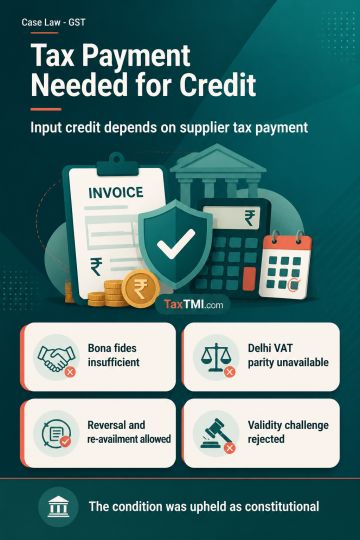
Input tax credit conditions remain constitutionally valid, with eligible recipient claims considered under GST circulars and retrospective filing dead...
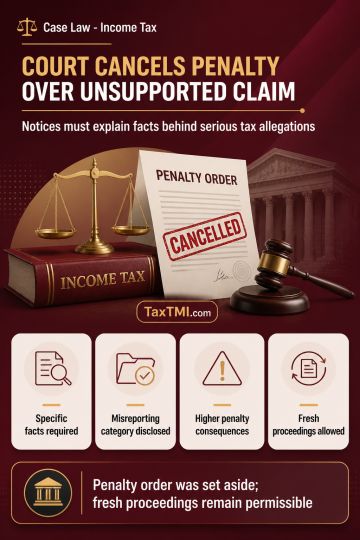
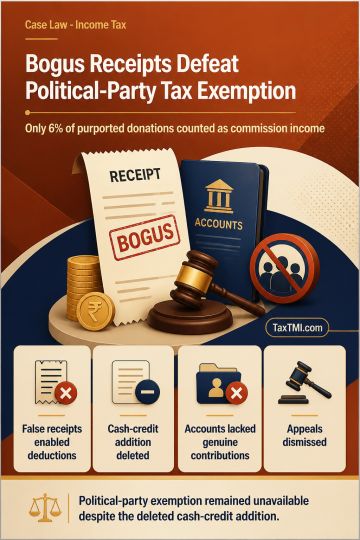
Bogus donation receipts justified commission income assessment and defeated political-party tax exemption for inaccurate accounts and reporting failur...
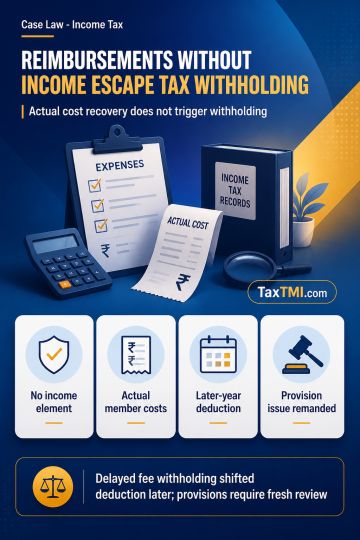
Pure reimbursement without income element escapes tax withholding, while delayed withholding and unsupported provisions face deferred or renewed scrut...
Public benefit requirement defeats charitable registration where residents' association services are reciprocal, member-only facilities governed by mu...
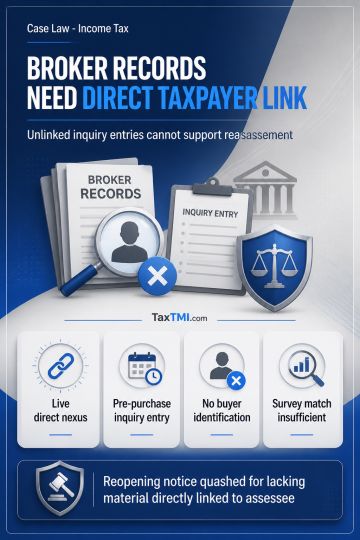
Exempt-income expenditure disallowance is confined to investments that actually generated exempt income, while supported business expenses remain dedu...
Insolvency and BankruptcyAugust 24, 2024Case LawsAT
The Appellate Tribunal examined the denial of natural justice to the Appellant by the Adjudicating Authority, the invocation of the Deed of Guarantee circumscribed by the Put Option Agreement, and the Appellant's entitlement to object to the Assignment Agreement between the original lender and the Respondent. The Tribunal held that the Adjudicating Authority did not commit any error in reserving the matter for orders due to the stringent timelines under the IBC. The Deed of Guarantee is an independent contract, and the Appellant was obligated to honor it upon the Corporate Debtor's failure to repay the debt. The Assignment Agreement validly substituted the Respondent in place of the original lender, and the Appellant had no locus to challenge it. The Tribunal dismissed the appeal, finding no error in admitting the Section 95 application against the Appellant.
The Appellate Tribunal examined the denial of natural justice to the Appellant by the Adjudicating Authority, the invocation of the Deed of Guarantee circumscribed by the Put Option Agreement, and the Appellant's entitlement to object to the Assignment Agreement between the original lender and the Respondent. The Tribunal held that the Adjudicating Authority did not commit any error in reserving the matter for orders due to the stringent timelines under the IBC. The Deed of Guarantee is an independent contract, and the Appellant was obligated to honor it upon the Corporate Debtor's failure to repay the debt. The Assignment Agreement validly substituted the Respondent in place of the original lender, and the Appellant had no locus to challenge it. The Tribunal dismissed the appeal, finding no error in admitting the Section 95 application against the Appellant.
Note: It is a system-generated summary and is for quick reference only.
 TaxTMI
 of 4782











 Join Channel


 TaxTMI