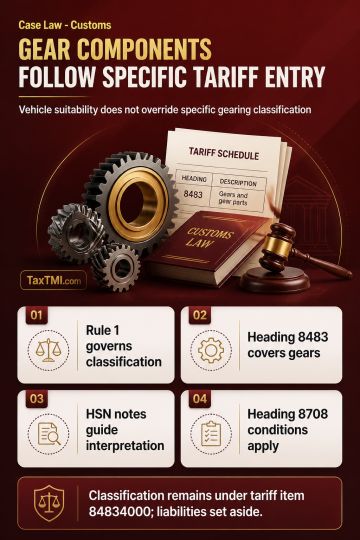
Tariff classification of vehicle gear components follows the specific gearing entry, displacing motor-vehicle parts classification and related liabili...
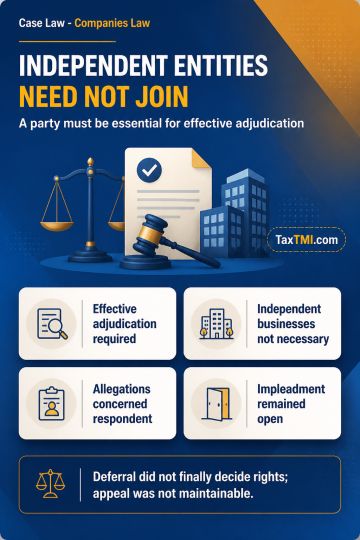
Necessary-party requirements limit impleadment of independent entities, while deferred consideration does not create an appealable adverse determinati...
Food supplement classification requires common parlance and authoritative tests, preventing treatment as proprietary Ayurvedic medicines without suppo...
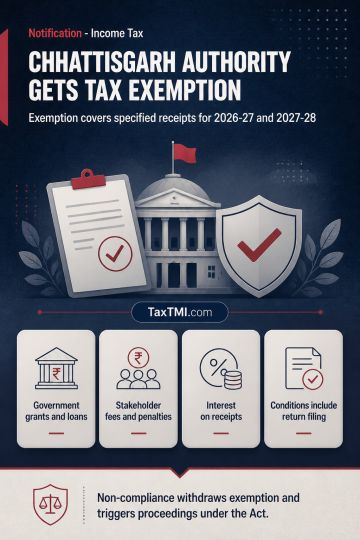
Specified regulatory authority income receives conditional tax exemption, subject to non-commercial activity, unchanged income character, and return f...
Tax exemption for regulatory authority income applies retrospectively, subject to non-commercial activity, unchanged income sources, and return-filing...
Insolvency and BankruptcyAugust 24, 2024Case LawsAT
The Appellate Tribunal examined the denial of natural justice to the Appellant by the Adjudicating Authority, the invocation of the Deed of Guarantee circumscribed by the Put Option Agreement, and the Appellant's entitlement to object to the Assignment Agreement between the original lender and the Respondent. The Tribunal held that the Adjudicating Authority did not commit any error in reserving the matter for orders due to the stringent timelines under the IBC. The Deed of Guarantee is an independent contract, and the Appellant was obligated to honor it upon the Corporate Debtor's failure to repay the debt. The Assignment Agreement validly substituted the Respondent in place of the original lender, and the Appellant had no locus to challenge it. The Tribunal dismissed the appeal, finding no error in admitting the Section 95 application against the Appellant.
The Appellate Tribunal examined the denial of natural justice to the Appellant by the Adjudicating Authority, the invocation of the Deed of Guarantee circumscribed by the Put Option Agreement, and the Appellant's entitlement to object to the Assignment Agreement between the original lender and the Respondent. The Tribunal held that the Adjudicating Authority did not commit any error in reserving the matter for orders due to the stringent timelines under the IBC. The Deed of Guarantee is an independent contract, and the Appellant was obligated to honor it upon the Corporate Debtor's failure to repay the debt. The Assignment Agreement validly substituted the Respondent in place of the original lender, and the Appellant had no locus to challenge it. The Tribunal dismissed the appeal, finding no error in admitting the Section 95 application against the Appellant.
Note: It is a system-generated summary and is for quick reference only.
 TaxTMI
 of 4782












 Join Channel


 TaxTMI
