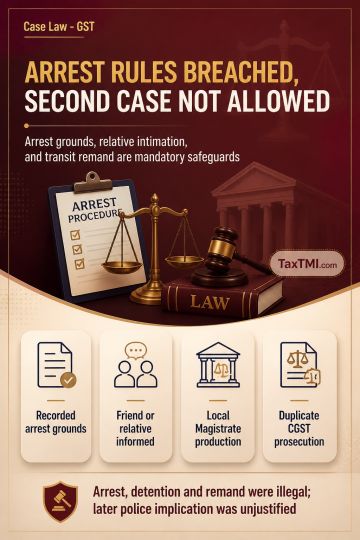
Arrest safeguards require disclosed grounds, relative intimation and transit remand, while duplicate prosecution under the CGST framework is unsustain...
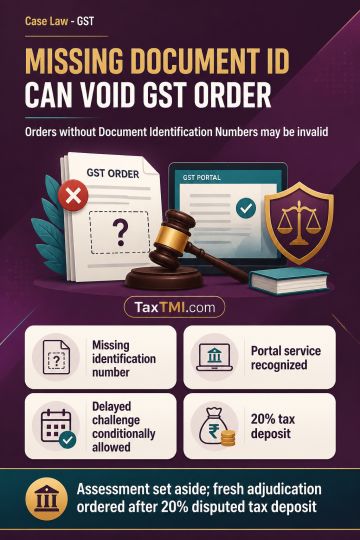
Document Identification Number defects can invalidate GST assessments, with delayed challenges entertained conditionally where patent irregularities e...
Windmill commissioning evidence supported higher depreciation where grid connection and electricity generation proved operational use before the relev...
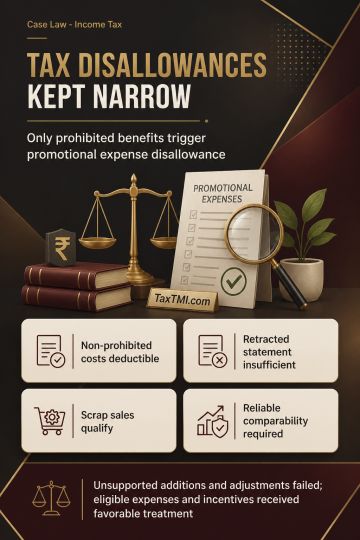
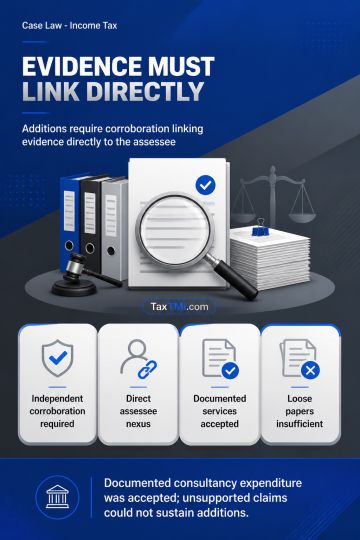
Pharmaceutical promotion and transfer-pricing comparability principles limited disallowances, while uncorroborated search allegations and unsupported ...
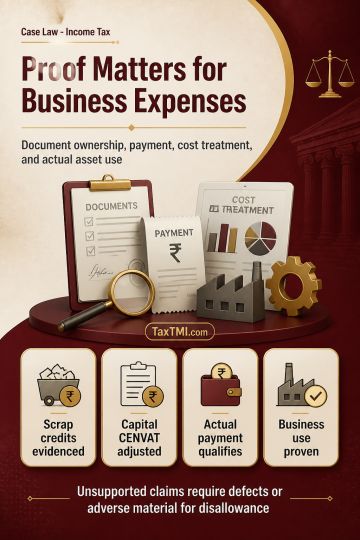
Business expenditure substantiation supports scrap credits, statutory payments and expense claims, while depreciation requires proof of actual busines...
Under the Insolvency and Bankruptcy Code (IBC), the Corporate Insolvency Resolution Process (CIRP) was initiated against the first petitioner-company, and a moratorium was imposed, prohibiting any creation of charge on its properties during the CIRP period. Despite this, the respondents created a charge on the petitioner's properties, violating the IBC's provisions. Subsequently, an acquisition plan for the petitioner-company was approved by the NCLT, extinguishing all existing debts, including tax dues owed to the respondents. The IBC's "Clean Slate" principle mandates the extinguishment of all government dues upon approval of a resolution/acquisition plan. The respondents' claim of priority for tax dues as "Crown Debt" was rejected. The High Court issued a mandamus, directing the removal of the respondents' charge/red entries on the petitioner's properties, as their actions were illegal and arbitrary under the IBC.
Under the Insolvency and Bankruptcy Code (IBC), the Corporate Insolvency Resolution Process (CIRP) was initiated against the first petitioner-company, and a moratorium was imposed, prohibiting any creation of charge on its properties during the CIRP period. Despite this, the respondents created a charge on the petitioner's properties, violating the IBC's provisions. Subsequently, an acquisition plan for the petitioner-company was approved by the NCLT, extinguishing all existing debts, including tax dues owed to the respondents. The IBC's "Clean Slate" principle mandates the extinguishment of all government dues upon approval of a resolution/acquisition plan. The respondents' claim of priority for tax dues as "Crown Debt" was rejected. The High Court issued a mandamus, directing the removal of the respondents' charge/red entries on the petitioner's properties, as their actions were illegal and arbitrary under the IBC.
Note: It is a system-generated summary and is for quick reference only.
 TaxTMI
 of 4788










 Join Channel


 TaxTMI