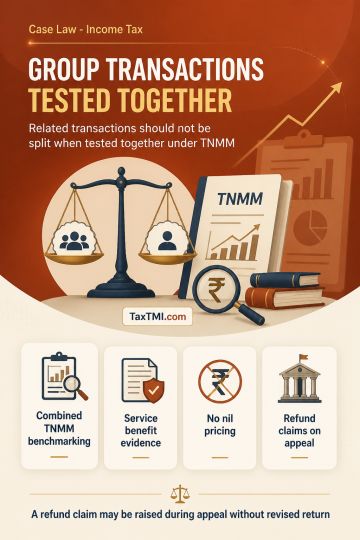
Aggregation under TNMM prevents selective testing of intra-group services without comparable uncontrolled transactions, while appellate additional cla...
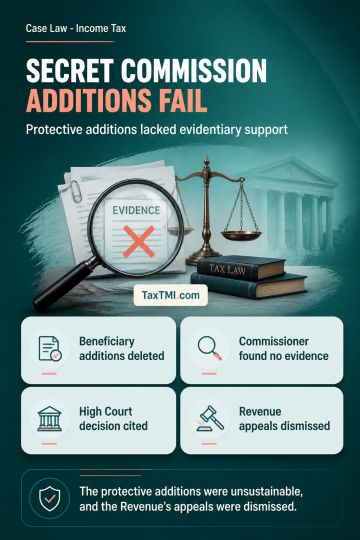
Protective assessment cannot duplicate identical receipts under competing characterisations; remote services did not establish a taxable permanent est...
Current account treatment of overseas tournament services removed most FEMA findings, but excess EEFC remittance and delayed repatriation remained bre...
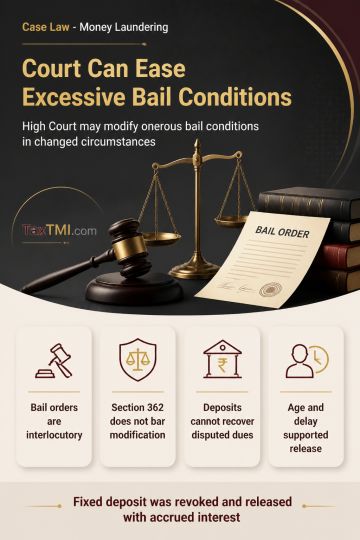
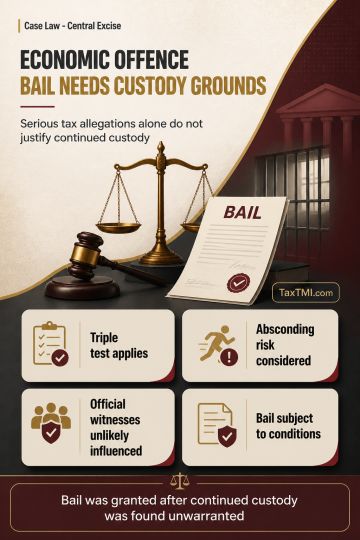
Modification of bail conditions remains available through inherent jurisdiction where onerous deposits undermine justice and cannot recover disputed d...
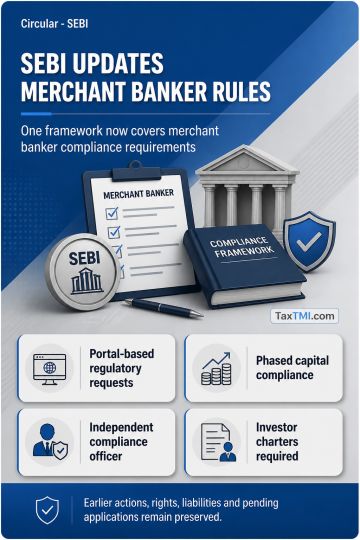
Merchant banker regulation consolidates registration, governance, capital, reporting, outsourcing and investor-protection requirements under an update...
Under the Insolvency and Bankruptcy Code (IBC), the Corporate Insolvency Resolution Process (CIRP) was initiated against the first petitioner-company, and a moratorium was imposed, prohibiting any creation of charge on its properties during the CIRP period. Despite this, the respondents created a charge on the petitioner's properties, violating the IBC's provisions. Subsequently, an acquisition plan for the petitioner-company was approved by the NCLT, extinguishing all existing debts, including tax dues owed to the respondents. The IBC's "Clean Slate" principle mandates the extinguishment of all government dues upon approval of a resolution/acquisition plan. The respondents' claim of priority for tax dues as "Crown Debt" was rejected. The High Court issued a mandamus, directing the removal of the respondents' charge/red entries on the petitioner's properties, as their actions were illegal and arbitrary under the IBC.
Under the Insolvency and Bankruptcy Code (IBC), the Corporate Insolvency Resolution Process (CIRP) was initiated against the first petitioner-company, and a moratorium was imposed, prohibiting any creation of charge on its properties during the CIRP period. Despite this, the respondents created a charge on the petitioner's properties, violating the IBC's provisions. Subsequently, an acquisition plan for the petitioner-company was approved by the NCLT, extinguishing all existing debts, including tax dues owed to the respondents. The IBC's "Clean Slate" principle mandates the extinguishment of all government dues upon approval of a resolution/acquisition plan. The respondents' claim of priority for tax dues as "Crown Debt" was rejected. The High Court issued a mandamus, directing the removal of the respondents' charge/red entries on the petitioner's properties, as their actions were illegal and arbitrary under the IBC.
Note: It is a system-generated summary and is for quick reference only.
 TaxTMI
 of 4786










 Join Channel


 TaxTMI