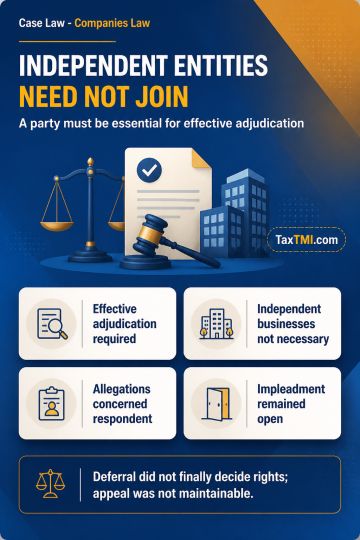
Necessary-party requirements limit impleadment of independent entities, while deferred consideration does not create an appealable adverse determinati...
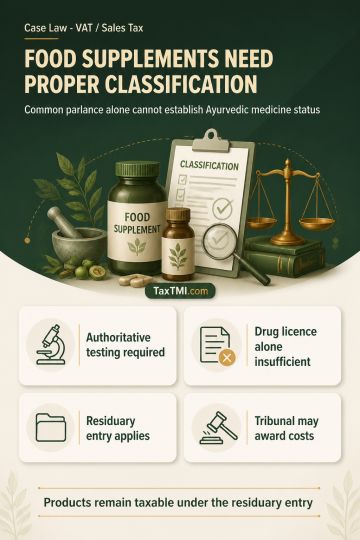
Food supplement classification requires common parlance and authoritative tests, preventing treatment as proprietary Ayurvedic medicines without suppo...
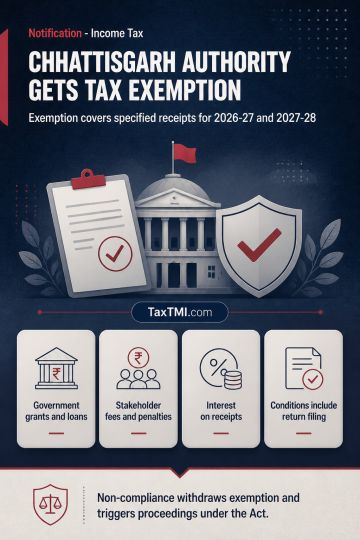
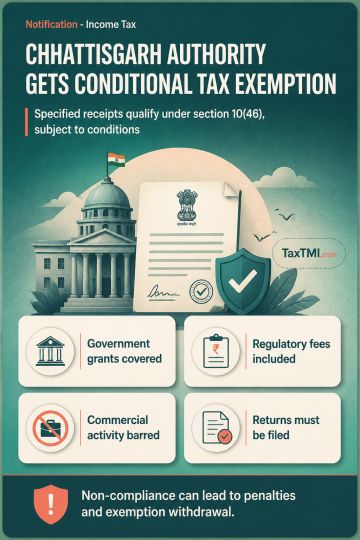
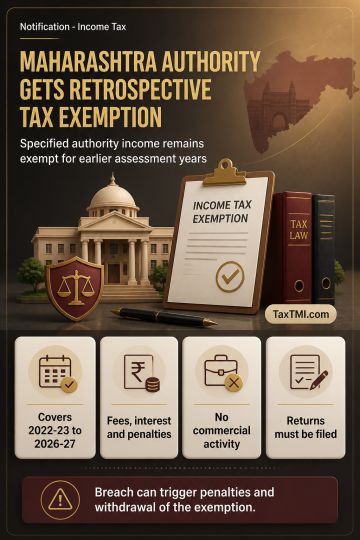
Specified regulatory authority income receives conditional tax exemption, subject to non-commercial activity, unchanged income character, and return f...
Tax exemption for regulatory authority income applies retrospectively, subject to non-commercial activity, unchanged income sources, and return-filing...
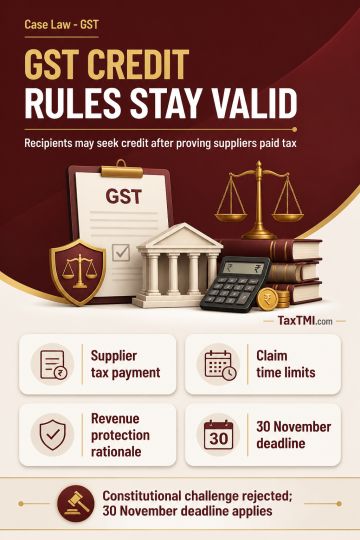
Input tax credit conditions remain constitutionally valid, with eligible recipient claims considered under GST circulars and retrospective filing dead...
Page of 4786
Press 'Enter' after typing page number.
401 to 420 of 95714 Results
❮
❯
❯❯
0 / 200
Expand Note
Add to Folder
No Folders have been created
+
Are you sure you want to delete "My most important" ?
Cash payments exceeding Rs. 20,000 were made, and the assessee provided a statement on oath, affidavits from the vendor, and explanations about the vendor's father's ill health and jail term, as well as the precondition of cash payment for the land deal. The appellate authority erred in rejecting these submissions and not considering business expediency. Regarding development expenses, the assessing officer disallowed 10% due to lack of vouchers, which was reduced to 5% by the appellate authority. Since no further evidence was produced, the Appellate Tribunal declined to interfere with the appellate authority's order on this issue.
Cash payments exceeding Rs. 20,000 were made, and the assessee provided a statement on oath, affidavits from the vendor, and explanations about the vendor's father's ill health and jail term, as well as the precondition of cash payment for the land deal. The appellate authority erred in rejecting these submissions and not considering business expediency. Regarding development expenses, the assessing officer disallowed 10% due to lack of vouchers, which was reduced to 5% by the appellate authority. Since no further evidence was produced, the Appellate Tribunal declined to interfere with the appellate authority's order on this issue.
Note: It is a system-generated summary and is for quick reference only.
 TaxTMI
 of 4786



 Join Channel


 TaxTMI