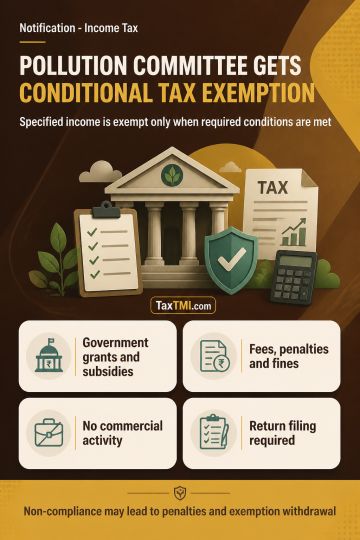
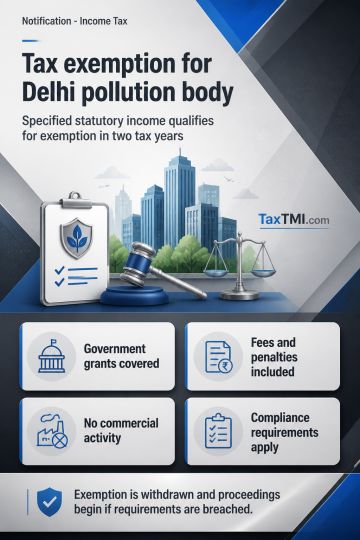
Specified income tax exemption for pollution control body remains conditional on non-commercial activity, unchanged income character, and return filin...
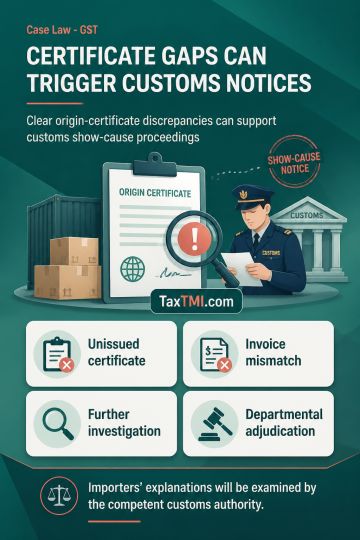
Jurisdictional facts in certificate-of-origin discrepancies can support customs show-cause proceedings, leaving factual explanations for departmental ...
The High Court held that the limitation period prescribed in Section 153(3) of the Income Tax Act for issuing a fresh assessment order pursuant to an order u/s 254 (by the Appellate Tribunal) must be strictly construed. The Assessing Officer failed to comply with the Tribunal's remand order within the stipulated six-month period, and the statutory limitation period of nine months from the end of the financial year in which the Tribunal's order was received also expired. Passing a fresh assessment order beyond the statutorily prescribed limitation period is impermissible. Consequently, the impugned assessment order and notices were set aside, and the income returned by the assessee was accepted. The excess tax paid for the relevant assessment year must be refunded to the assessee.
The High Court held that the limitation period prescribed in Section 153(3) of the Income Tax Act for issuing a fresh assessment order pursuant to an order u/s 254 (by the Appellate Tribunal) must be strictly construed. The Assessing Officer failed to comply with the Tribunal's remand order within the stipulated six-month period, and the statutory limitation period of nine months from the end of the financial year in which the Tribunal's order was received also expired. Passing a fresh assessment order beyond the statutorily prescribed limitation period is impermissible. Consequently, the impugned assessment order and notices were set aside, and the income returned by the assessee was accepted. The excess tax paid for the relevant assessment year must be refunded to the assessee.
Note: It is a system-generated summary and is for quick reference only.
 TaxTMI
 of 4788





 Join Channel


 TaxTMI
