Rectification of mistake remains limited to self-evident record errors, preventing merits review through miscellaneous applications and preserving fin...
Tender creditworthiness conditions may extend to de facto Promoter Directors, with post-participation challenges generally barred absent arbitrariness...
Corporate representation in PMLA summons proceedings permitted through an authorised signatory, subject to directors' continuing cooperation and atten...
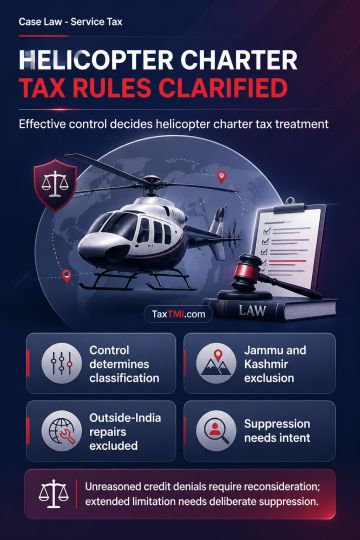
Helicopter charter classification requires effective control analysis, while territorial performance, reasoned credit orders and wilful suppression de...
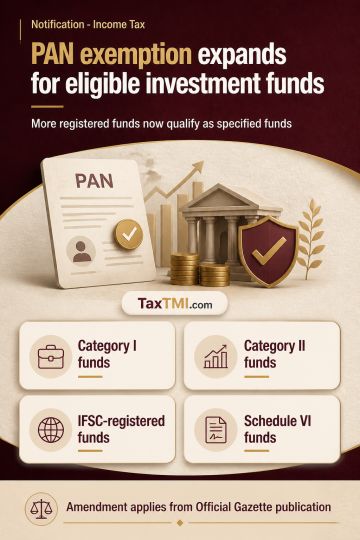
Specified fund definition expands PAN exemption eligibility for registered alternative investment funds and qualifying International Financial Service...
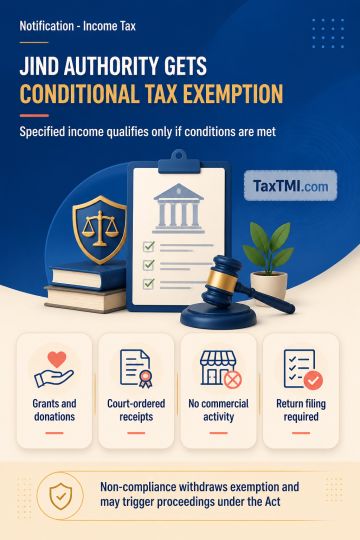
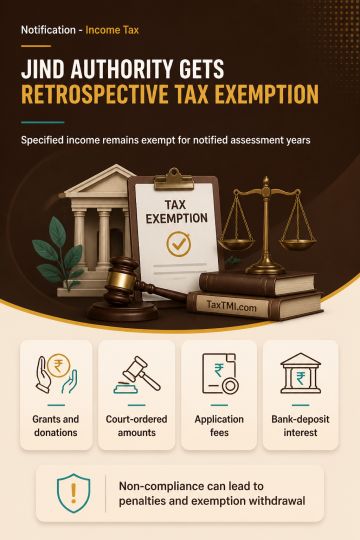
Tax exemption for specified legal-services authority income applies retrospectively, subject to non-commercial activity, unchanged income sources, and...
The High Court held that the delay in issuing the tax refund was subject to the strict limitation period prescribed u/s 254 read with Section 153(3). The Assessing Officer failed to adhere to the Tribunal's directions and pass a fresh assessment order within the stipulated six-month period. The statutory limitation period u/s 153(3) expired on 30.09.2021. The Legislature's intent behind Section 153(3) was strict adherence to the time limit for passing a fresh assessment order after remand. The notices for initiating fresh assessment issued beyond the prescribed period were unsustainable and had to be set aside. Relying on the Supreme Court's decision in Shelly Products, since the Department failed to comply with the Tribunal's order within the stipulated time, the income as returned by the assessee would stand accepted, and the excess tax paid for the relevant assessment year would have to be refunded.
The High Court held that the delay in issuing the tax refund was subject to the strict limitation period prescribed u/s 254 read with Section 153(3). The Assessing Officer failed to adhere to the Tribunal's directions and pass a fresh assessment order within the stipulated six-month period. The statutory limitation period u/s 153(3) expired on 30.09.2021. The Legislature's intent behind Section 153(3) was strict adherence to the time limit for passing a fresh assessment order after remand. The notices for initiating fresh assessment issued beyond the prescribed period were unsustainable and had to be set aside. Relying on the Supreme Court's decision in Shelly Products, since the Department failed to comply with the Tribunal's order within the stipulated time, the income as returned by the assessee would stand accepted, and the excess tax paid for the relevant assessment year would have to be refunded.
Note: It is a system-generated summary and is for quick reference only.
 TaxTMI
 of 4788












 Join Channel


 TaxTMI