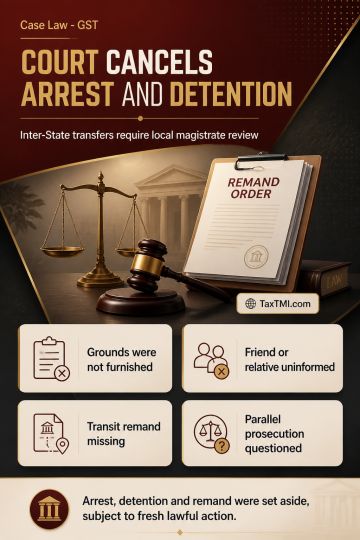
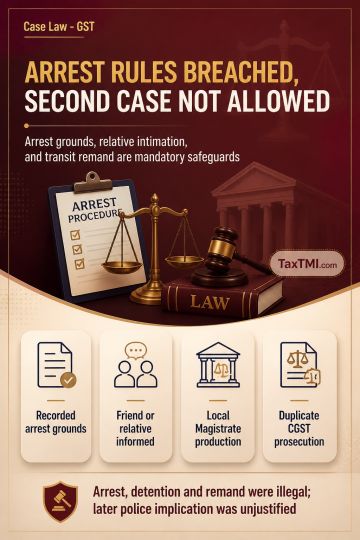
Arrest safeguards and transit remand requirements invalidated detention following inter-State transfer without communicated grounds or magistrate auth...
Arrest safeguards require disclosed grounds, relative intimation and transit remand, while duplicate prosecution under the CGST framework is unsustain...
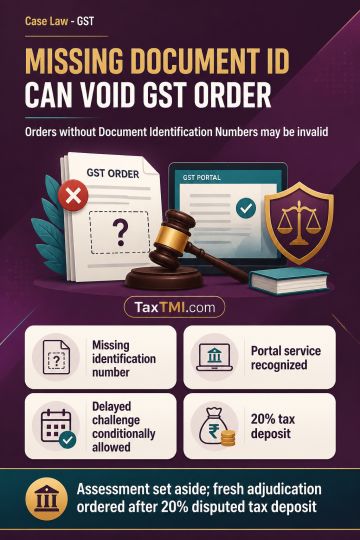
Document Identification Number defects can invalidate GST assessments, with delayed challenges entertained conditionally where patent irregularities e...
Windmill commissioning evidence supported higher depreciation where grid connection and electricity generation proved operational use before the relev...
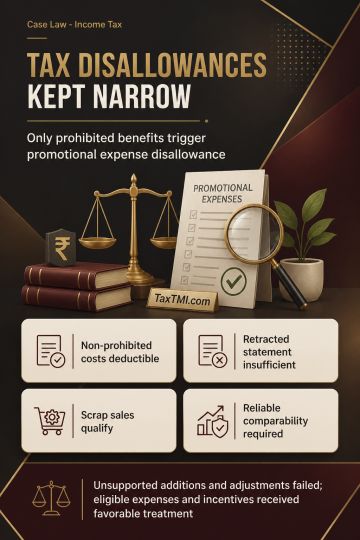
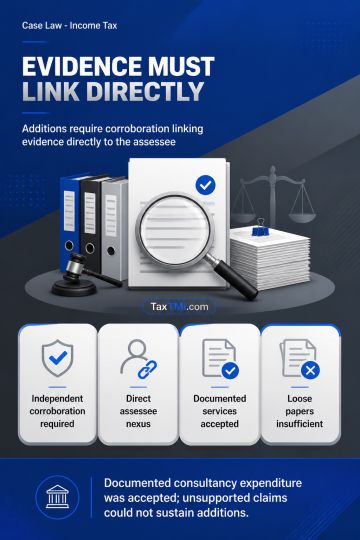
Pharmaceutical promotion and transfer-pricing comparability principles limited disallowances, while uncorroborated search allegations and unsupported ...
The High Court held that the delay in issuing the tax refund was subject to the strict limitation period prescribed u/s 254 read with Section 153(3). The Assessing Officer failed to adhere to the Tribunal's directions and pass a fresh assessment order within the stipulated six-month period. The statutory limitation period u/s 153(3) expired on 30.09.2021. The Legislature's intent behind Section 153(3) was strict adherence to the time limit for passing a fresh assessment order after remand. The notices for initiating fresh assessment issued beyond the prescribed period were unsustainable and had to be set aside. Relying on the Supreme Court's decision in Shelly Products, since the Department failed to comply with the Tribunal's order within the stipulated time, the income as returned by the assessee would stand accepted, and the excess tax paid for the relevant assessment year would have to be refunded.
The High Court held that the delay in issuing the tax refund was subject to the strict limitation period prescribed u/s 254 read with Section 153(3). The Assessing Officer failed to adhere to the Tribunal's directions and pass a fresh assessment order within the stipulated six-month period. The statutory limitation period u/s 153(3) expired on 30.09.2021. The Legislature's intent behind Section 153(3) was strict adherence to the time limit for passing a fresh assessment order after remand. The notices for initiating fresh assessment issued beyond the prescribed period were unsustainable and had to be set aside. Relying on the Supreme Court's decision in Shelly Products, since the Department failed to comply with the Tribunal's order within the stipulated time, the income as returned by the assessee would stand accepted, and the excess tax paid for the relevant assessment year would have to be refunded.
Note: It is a system-generated summary and is for quick reference only.
 TaxTMI
 of 4782











 Join Channel


 TaxTMI
