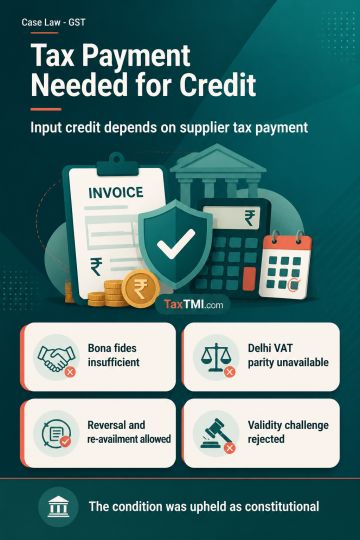
Input tax credit conditions remain constitutionally valid, with eligible recipient claims considered under GST circulars and retrospective filing dead...
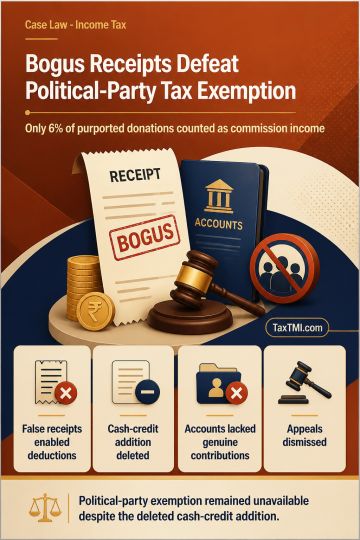
Bogus donation receipts justified commission income assessment and defeated political-party tax exemption for inaccurate accounts and reporting failur...
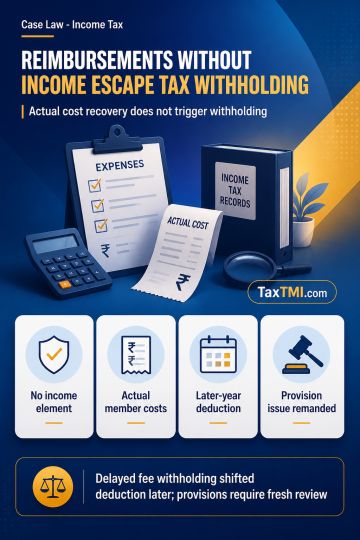
Pure reimbursement without income element escapes tax withholding, while delayed withholding and unsupported provisions face deferred or renewed scrut...
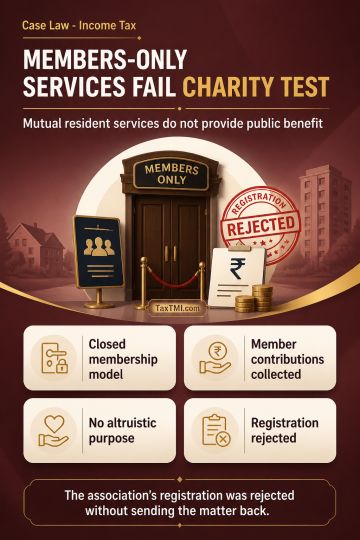
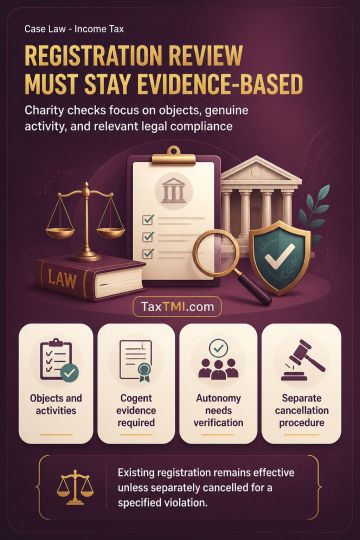
Public benefit requirement defeats charitable registration where residents' association services are reciprocal, member-only facilities governed by mu...
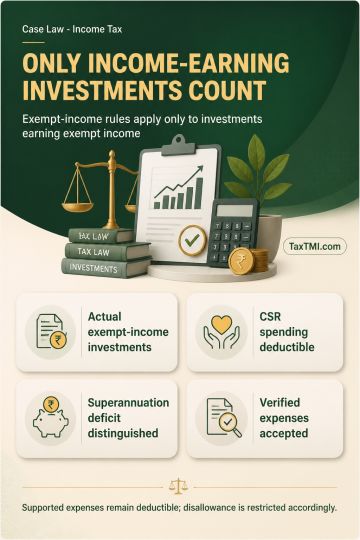
Exempt-income expenditure disallowance is confined to investments that actually generated exempt income, while supported business expenses remain dedu...
The High Court held that the delay in issuing the tax refund was subject to the strict limitation period prescribed u/s 254 read with Section 153(3). The Assessing Officer failed to adhere to the Tribunal's directions and pass a fresh assessment order within the stipulated six-month period. The statutory limitation period u/s 153(3) expired on 30.09.2021. The Legislature's intent behind Section 153(3) was strict adherence to the time limit for passing a fresh assessment order after remand. The notices for initiating fresh assessment issued beyond the prescribed period were unsustainable and had to be set aside. Relying on the Supreme Court's decision in Shelly Products, since the Department failed to comply with the Tribunal's order within the stipulated time, the income as returned by the assessee would stand accepted, and the excess tax paid for the relevant assessment year would have to be refunded.
The High Court held that the delay in issuing the tax refund was subject to the strict limitation period prescribed u/s 254 read with Section 153(3). The Assessing Officer failed to adhere to the Tribunal's directions and pass a fresh assessment order within the stipulated six-month period. The statutory limitation period u/s 153(3) expired on 30.09.2021. The Legislature's intent behind Section 153(3) was strict adherence to the time limit for passing a fresh assessment order after remand. The notices for initiating fresh assessment issued beyond the prescribed period were unsustainable and had to be set aside. Relying on the Supreme Court's decision in Shelly Products, since the Department failed to comply with the Tribunal's order within the stipulated time, the income as returned by the assessee would stand accepted, and the excess tax paid for the relevant assessment year would have to be refunded.
Note: It is a system-generated summary and is for quick reference only.
 TaxTMI
 of 4782



 Join Channel


 TaxTMI