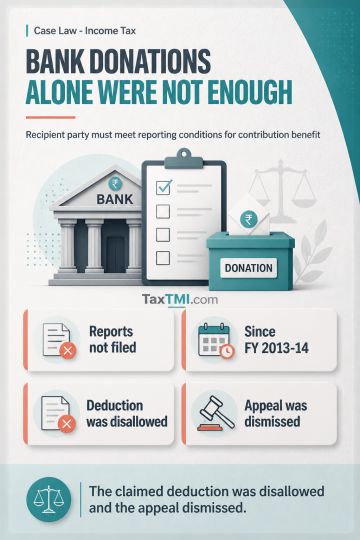
Political contribution deductions require recipient party compliance with contribution-reporting conditions; banking-channel donations alone do not qu...
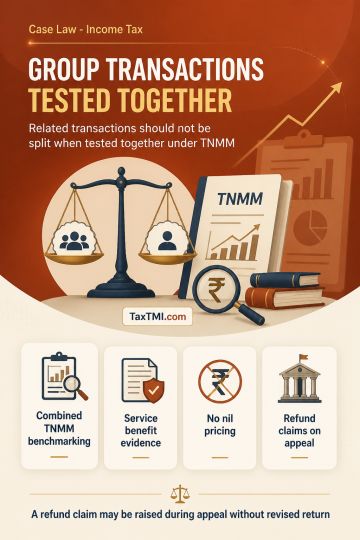
Aggregation under TNMM prevents selective testing of intra-group services without comparable uncontrolled transactions, while appellate additional cla...
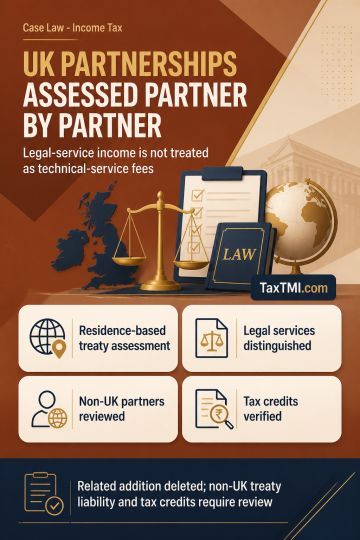
Protective assessment cannot duplicate identical receipts under competing characterisations; remote services did not establish a taxable permanent est...
Current account treatment of overseas tournament services removed most FEMA findings, but excess EEFC remittance and delayed repatriation remained bre...
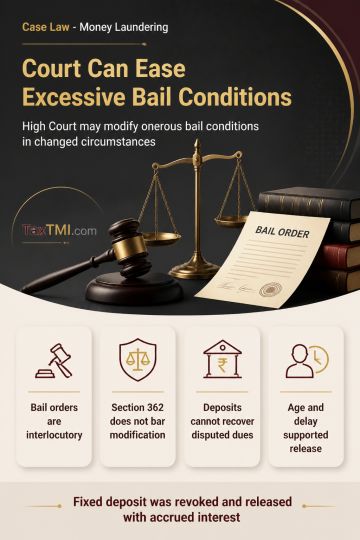
Modification of bail conditions remains available through inherent jurisdiction where onerous deposits undermine justice and cannot recover disputed d...
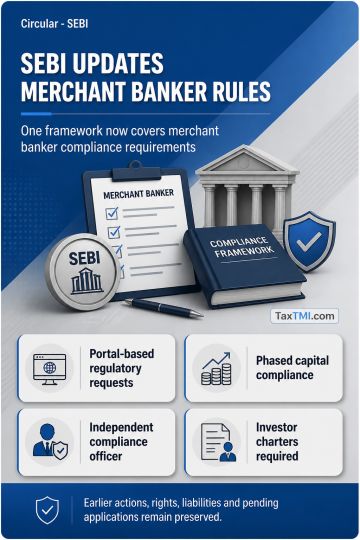
Merchant banker regulation consolidates registration, governance, capital, reporting, outsourcing and investor-protection requirements under an update...
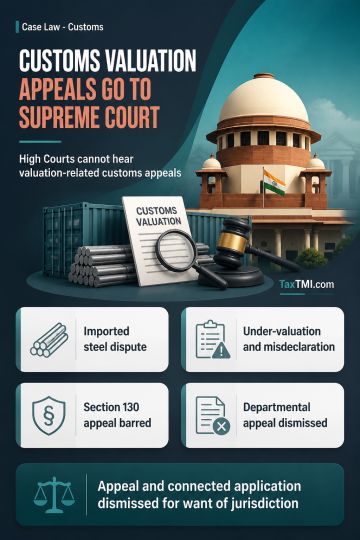
The appellant, a customs broker, was found responsible for advising the importer to follow rules and regulations governing clearance of imported goods, and any non-compliance should have been brought to the customs authorities' notice. The appellant suggested the importer mis-declare the imported goods, described as "blank guns" which could have been modified into lethal weapons, to circumvent requirements under the Foreign Trade Policy and the Arms Act, 1959 read with the Arms Rules, 2016. The appellant had knowledge of such mis-declaration and mis-classification under CTH 9503 as "Blank Firing Guns," requiring a DGFT license under the import policy and a license under the Arms Act. The factual findings led to the forfeiture of the security deposit. As the case involved only factual findings, no substantial questions of law arose, and the appeal was dismissed.
The appellant, a customs broker, was found responsible for advising the importer to follow rules and regulations governing clearance of imported goods, and any non-compliance should have been brought to the customs authorities' notice. The appellant suggested the importer mis-declare the imported goods, described as "blank guns" which could have been modified into lethal weapons, to circumvent requirements under the Foreign Trade Policy and the Arms Act, 1959 read with the Arms Rules, 2016. The appellant had knowledge of such mis-declaration and mis-classification under CTH 9503 as "Blank Firing Guns," requiring a DGFT license under the import policy and a license under the Arms Act. The factual findings led to the forfeiture of the security deposit. As the case involved only factual findings, no substantial questions of law arose, and the appeal was dismissed.
Note: It is a system-generated summary and is for quick reference only.
 TaxTMI
 of 4782









 Join Channel


 TaxTMI