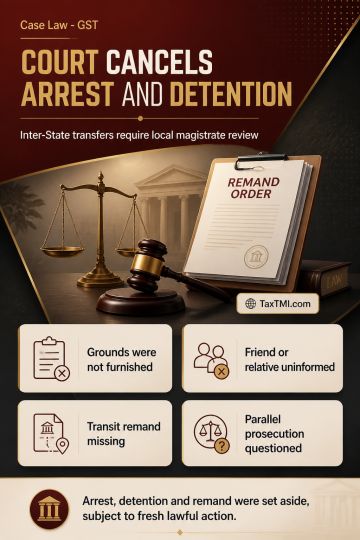
Arrest safeguards and transit remand requirements invalidated detention following inter-State transfer without communicated grounds or magistrate auth...
Arrest safeguards require disclosed grounds, relative intimation and transit remand, while duplicate prosecution under the CGST framework is unsustain...
Document Identification Number defects can invalidate GST assessments, with delayed challenges entertained conditionally where patent irregularities e...
Windmill commissioning evidence supported higher depreciation where grid connection and electricity generation proved operational use before the relev...
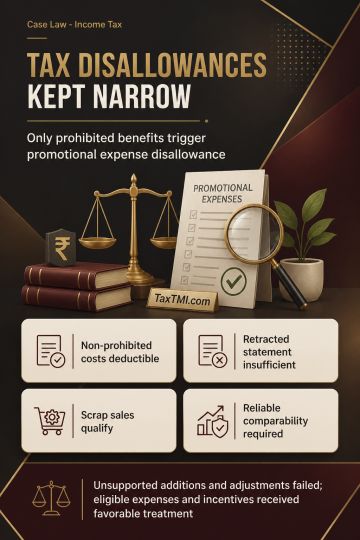
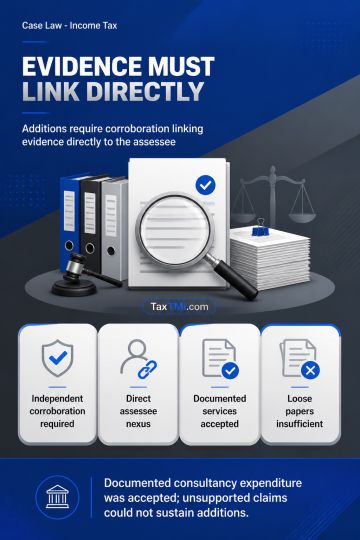
Pharmaceutical promotion and transfer-pricing comparability principles limited disallowances, while uncorroborated search allegations and unsupported ...
The doctrine of prospective overruling is applied when a constitutional court overrules a well-established precedent by declaring a new rule but limits its application to future situations to avert injustice or hardships. The US Supreme Court has considered the existence of a statute or judicial decision as an "operative fact" having consequences that cannot be ignored, and the effect of a subsequent ruling on invalidity must be considered in light of various aspects. The Indian Supreme Court has adopted this doctrine, partly inspired by US jurisprudence. In cases like Golakh Nath v. State of Punjab and Jindal Stainless Ltd. v. State of Haryana, the Court applied the doctrine. Considering the substantial amount of tax demands and the delay in proceedings, the Court held that while states may levy or renew demands pertaining to Entries 49 and 50 of List II, the demand shall not operate on transactions prior to April 1, 2005. The payment of tax demand shall be staggered over twelve years from April 1, 2026, and the levy of interest and penalty on demands before July 25, 2024, shall stand waived.
The doctrine of prospective overruling is applied when a constitutional court overrules a well-established precedent by declaring a new rule but limits its application to future situations to avert injustice or hardships. The US Supreme Court has considered the existence of a statute or judicial decision as an "operative fact" having consequences that cannot be ignored, and the effect of a subsequent ruling on invalidity must be considered in light of various aspects. The Indian Supreme Court has adopted this doctrine, partly inspired by US jurisprudence. In cases like Golakh Nath v. State of Punjab and Jindal Stainless Ltd. v. State of Haryana, the Court applied the doctrine. Considering the substantial amount of tax demands and the delay in proceedings, the Court held that while states may levy or renew demands pertaining to Entries 49 and 50 of List II, the demand shall not operate on transactions prior to April 1, 2005. The payment of tax demand shall be staggered over twelve years from April 1, 2026, and the levy of interest and penalty on demands before July 25, 2024, shall stand waived.
Note: It is a system-generated summary and is for quick reference only.
 TaxTMI
 of 4782















 Join Channel


 TaxTMI
