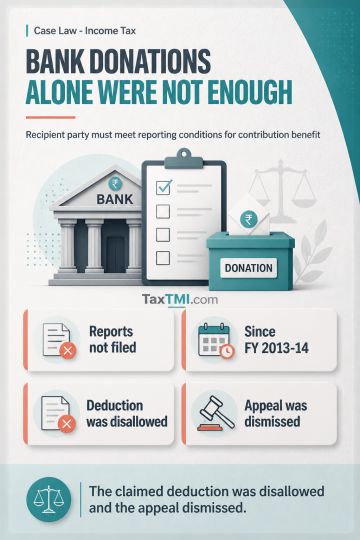
Political contribution deductions require recipient party compliance with contribution-reporting conditions; banking-channel donations alone do not qu...
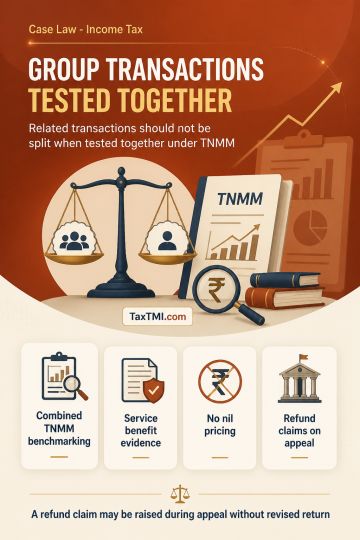
Aggregation under TNMM prevents selective testing of intra-group services without comparable uncontrolled transactions, while appellate additional cla...
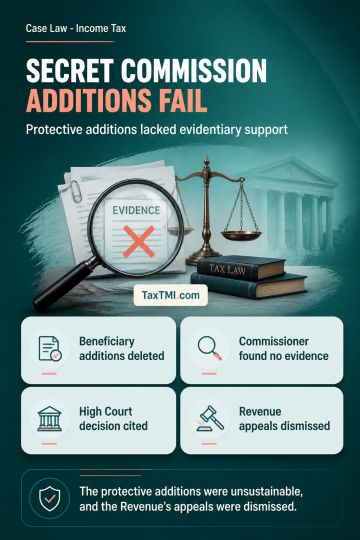
Protective assessment cannot duplicate identical receipts under competing characterisations; remote services did not establish a taxable permanent est...
Current account treatment of overseas tournament services removed most FEMA findings, but excess EEFC remittance and delayed repatriation remained bre...
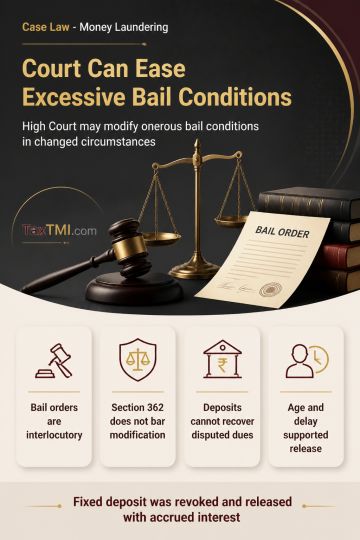
Modification of bail conditions remains available through inherent jurisdiction where onerous deposits undermine justice and cannot recover disputed d...
Merchant banker regulation consolidates registration, governance, capital, reporting, outsourcing and investor-protection requirements under an update...
The doctrine of prospective overruling is applied when a constitutional court overrules a well-established precedent by declaring a new rule but limits its application to future situations to avert injustice or hardships. The US Supreme Court has considered the existence of a statute or judicial decision as an "operative fact" having consequences that cannot be ignored, and the effect of a subsequent ruling on invalidity must be considered in light of various aspects. The Indian Supreme Court has adopted this doctrine, partly inspired by US jurisprudence. In cases like Golakh Nath v. State of Punjab and Jindal Stainless Ltd. v. State of Haryana, the Court applied the doctrine. Considering the substantial amount of tax demands and the delay in proceedings, the Court held that while states may levy or renew demands pertaining to Entries 49 and 50 of List II, the demand shall not operate on transactions prior to April 1, 2005. The payment of tax demand shall be staggered over twelve years from April 1, 2026, and the levy of interest and penalty on demands before July 25, 2024, shall stand waived.
The doctrine of prospective overruling is applied when a constitutional court overrules a well-established precedent by declaring a new rule but limits its application to future situations to avert injustice or hardships. The US Supreme Court has considered the existence of a statute or judicial decision as an "operative fact" having consequences that cannot be ignored, and the effect of a subsequent ruling on invalidity must be considered in light of various aspects. The Indian Supreme Court has adopted this doctrine, partly inspired by US jurisprudence. In cases like Golakh Nath v. State of Punjab and Jindal Stainless Ltd. v. State of Haryana, the Court applied the doctrine. Considering the substantial amount of tax demands and the delay in proceedings, the Court held that while states may levy or renew demands pertaining to Entries 49 and 50 of List II, the demand shall not operate on transactions prior to April 1, 2005. The payment of tax demand shall be staggered over twelve years from April 1, 2026, and the levy of interest and penalty on demands before July 25, 2024, shall stand waived.
Note: It is a system-generated summary and is for quick reference only.
 TaxTMI
 of 4782













 Join Channel


 TaxTMI