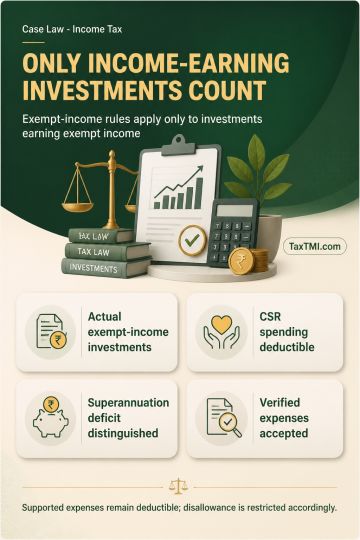
Exempt-income expenditure disallowance is confined to investments that actually generated exempt income, while supported business expenses remain dedu...
Objective characteristics and principal use govern mining-tyre classification, while fresh advance ruling applications may rely on additional technica...
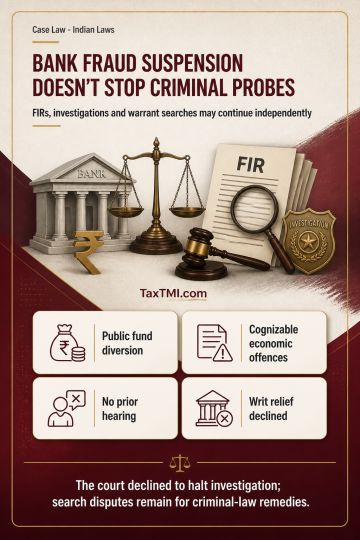
Administrative fraud classification suspension does not halt independent criminal investigation or warrant-based searches into alleged economic offenc...
The court held that the determination of whether cheques were issued for a legally enforceable debt or other liability should be made at trial, not at the initial stage. The court emphasized that the purpose of the NI Act is to promote the use of cheques in business transactions and that the term "debt or other liability" includes both legally enforceable debts and other liabilities. The court noted that the issue of whether a debt is time-barred or legally enforceable, as well as other related matters, should be addressed during trial proceedings. The court declined to dismiss the complaint at that stage and directed the Trial Court to proceed with the case according to the law.
The court held that the determination of whether cheques were issued for a legally enforceable debt or other liability should be made at trial, not at the initial stage. The court emphasized that the purpose of the NI Act is to promote the use of cheques in business transactions and that the term "debt or other liability" includes both legally enforceable debts and other liabilities. The court noted that the issue of whether a debt is time-barred or legally enforceable, as well as other related matters, should be addressed during trial proceedings. The court declined to dismiss the complaint at that stage and directed the Trial Court to proceed with the case according to the law.
Note: It is a system-generated summary and is for quick reference only.
 TaxTMI
 of 4801





 Join Channel


 TaxTMI