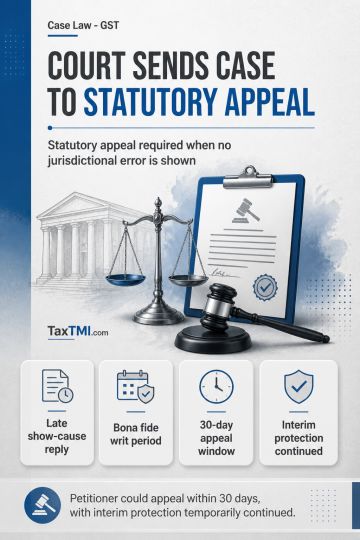
Dispute Resolution Panel objections must reach both prescribed forums; otherwise assessment may proceed and statutory appeal remains the proper remedy...
Political contribution deductions require recipient party compliance with contribution-reporting conditions; banking-channel donations alone do not qu...
Aggregation under TNMM prevents selective testing of intra-group services without comparable uncontrolled transactions, while appellate additional cla...
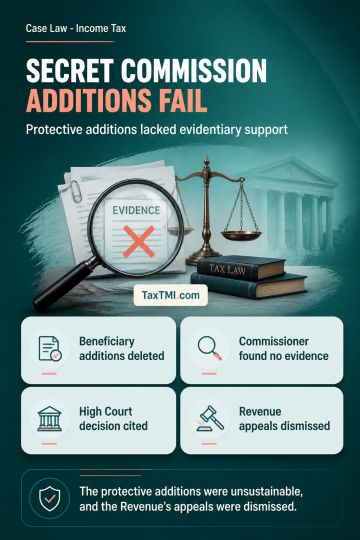
Protective assessment cannot duplicate identical receipts under competing characterisations; remote services did not establish a taxable permanent est...
Penalty u/s 271(1)(c) was imposed for excess deduction claimed u/s 10B. The assessee furnished all relevant facts for computing total income, and provided detailed explanations regarding the claim u/s 10B, including the number of manufacturing divisions, bifurcation of expenditure, and availability of carried forward losses. The explanation was not found false, and the onus to prove falsity lies on the revenue. The claim was an allowable deduction, though the quantum was reworked by the Assessing Officer using different arithmetic. All details and justifications were provided in the return itself. The amount of tax sought to be evaded under explanation 1 to section 271(1)(c) was indeterminable for imposing penalty. The assessee's decision to not appeal the reduction of claim does not imply lack of bona fides. The CIT(A) rightly deleted the penalty, and no interference is warranted.
Penalty u/s 271(1)(c) was imposed for excess deduction claimed u/s 10B. The assessee furnished all relevant facts for computing total income, and provided detailed explanations regarding the claim u/s 10B, including the number of manufacturing divisions, bifurcation of expenditure, and availability of carried forward losses. The explanation was not found false, and the onus to prove falsity lies on the revenue. The claim was an allowable deduction, though the quantum was reworked by the Assessing Officer using different arithmetic. All details and justifications were provided in the return itself. The amount of tax sought to be evaded under explanation 1 to section 271(1)(c) was indeterminable for imposing penalty. The assessee's decision to not appeal the reduction of claim does not imply lack of bona fides. The CIT(A) rightly deleted the penalty, and no interference is warranted.
Note: It is a system-generated summary and is for quick reference only.
 TaxTMI
 of 4803



















 Join Channel


 TaxTMI
