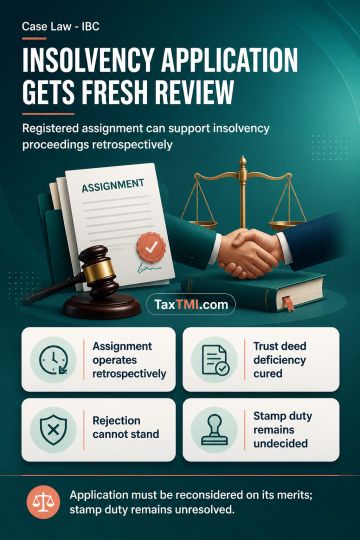
Transfer pricing and tax deductions upheld on established principles, while employee contributions and warranty provisions returned for fresh examinat...
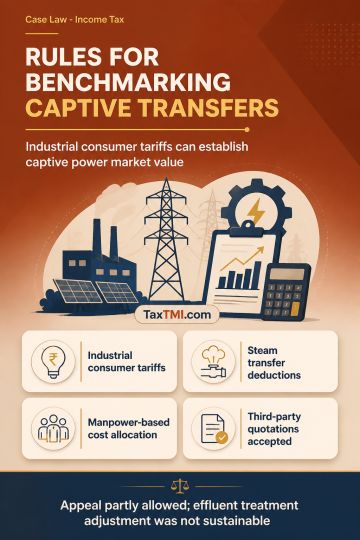
Captive transfer pricing relies on industrial consumer tariffs, while genuine quotations can benchmark effluent treatment transfers under the Other Me...
Specific tariff classification for ophthalmic instruments and extended limitation principles determine the treatment of duty demands, confiscation, an...
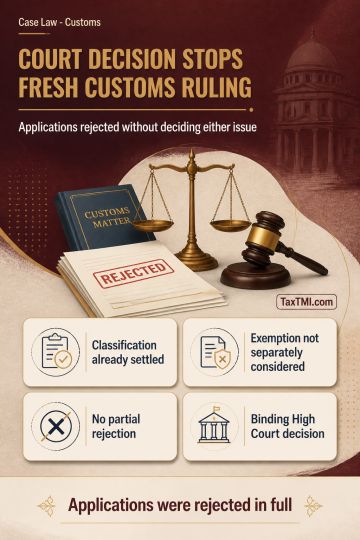
Integrated golf function determines classification, placing launch monitors and simulators under other golf equipment rather than measuring instrument...
Public servant status under anti-corruption law extends to recognised stock exchange leadership; constitutional and sanction challenges do not succeed...
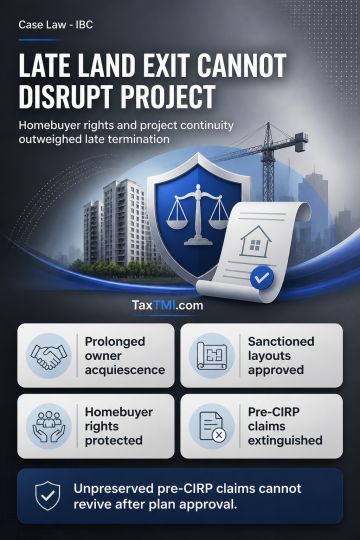
Acquiescence, homebuyer protection and clean-slate resolution principles prevent landowners from disrupting an integrated project through late termina...
The appellant was granted bail in the Excise Policy case due to prolonged incarceration and denial of the right to speedy trial, despite the seriousness of the allegations. The Supreme Court observed that the trial was unlikely to conclude anytime soon, given the voluminous evidence and witnesses involved. Keeping the appellant incarcerated indefinitely would violate their fundamental right to liberty under Article 21. The court noted the appellant's deep societal roots and imposed conditions like furnishing bail bonds to address concerns about tampering with evidence or influencing witnesses. The High Court's order denying bail was quashed, and the appellant was directed to be released on bail upon furnishing bonds of Rs. 10,00,000 with two sureties of the same amount.
The appellant was granted bail in the Excise Policy case due to prolonged incarceration and denial of the right to speedy trial, despite the seriousness of the allegations. The Supreme Court observed that the trial was unlikely to conclude anytime soon, given the voluminous evidence and witnesses involved. Keeping the appellant incarcerated indefinitely would violate their fundamental right to liberty under Article 21. The court noted the appellant's deep societal roots and imposed conditions like furnishing bail bonds to address concerns about tampering with evidence or influencing witnesses. The High Court's order denying bail was quashed, and the appellant was directed to be released on bail upon furnishing bonds of Rs. 10,00,000 with two sureties of the same amount.
Note: It is a system-generated summary and is for quick reference only.
 TaxTMI
 of 4805















 Join Channel


 TaxTMI