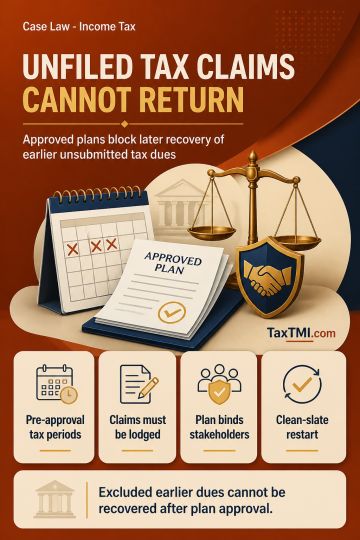
Approved resolution plans extinguish unsubmitted pre-approval tax claims, preventing later recovery outside the insolvency process and preserving a cl...
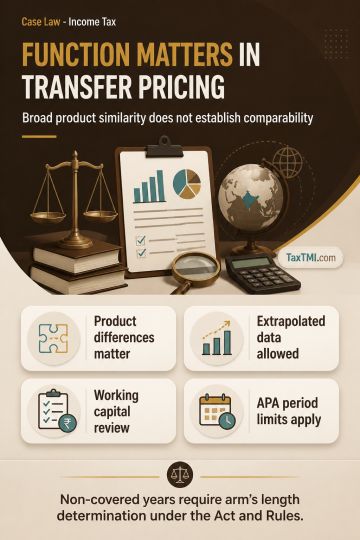
Transfer pricing comparability requires functional alignment and permits working capital adjustment, while APA margins cannot govern non-covered years...
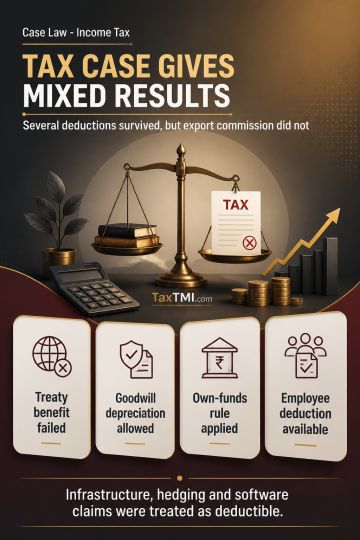
Treaty benefit, goodwill depreciation and hedging costs: export commission disallowed, while key business deductions and depreciation claims succeeded...
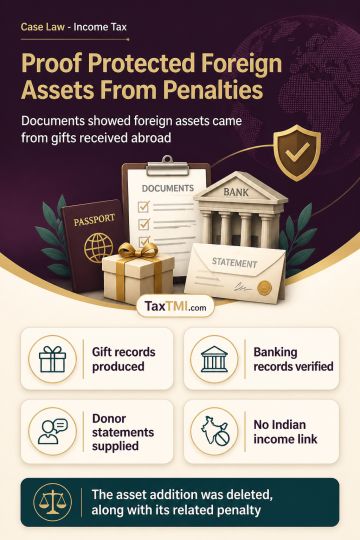
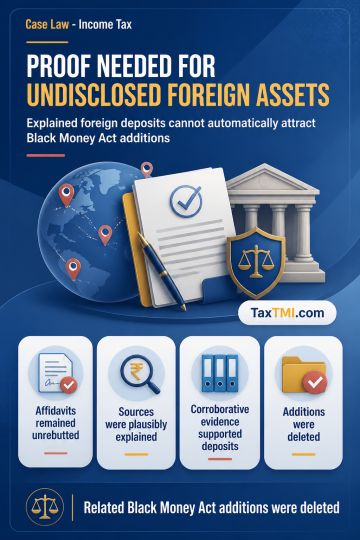
Undisclosed foreign asset classification requires an unexplained source; unrebutted affidavits and corroborative evidence defeated the Black Money Act...
The bogus transactions are a camouflage and dishonest attempt to avoid tax, resulting in addition to the assessee's income. The AO's approach should be well-considered, adhering to lawful norms and principles. If transactions are found bogus, they must be discarded by making appropriate permissible additions. The CIT(A) erred in reducing the gross profit returned by the assessee from 12% to 4.74%, as it had no bearing on purchases made by procuring bills to save VAT. The revenue's appeal was allowed, directing the AO to assess income from such transactions at 12.5% in each assessment year on the purchases made. The assessee accepted this finding as beneficial. If authorities view purchases as questionable or bogus, they must undertake necessary inquiries, including procuring information from other departments, to ascertain correct facts and bring such transactions to tax to prevent tax evasion and ensure real income is taxed.
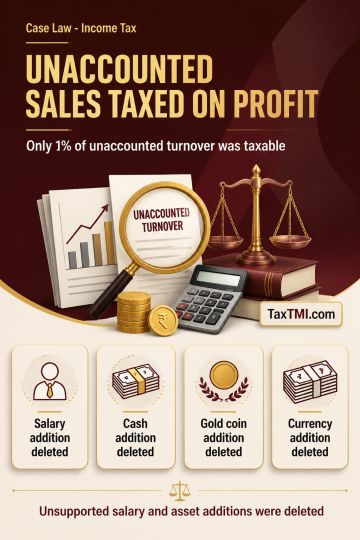
The bogus transactions are a camouflage and dishonest attempt to avoid tax, resulting in addition to the assessee's income. The AO's approach should be well-considered, adhering to lawful norms and principles. If transactions are found bogus, they must be discarded by making appropriate permissible additions. The CIT(A) erred in reducing the gross profit returned by the assessee from 12% to 4.74%, as it had no bearing on purchases made by procuring bills to save VAT. The revenue's appeal was allowed, directing the AO to assess income from such transactions at 12.5% in each assessment year on the purchases made. The assessee accepted this finding as beneficial. If authorities view purchases as questionable or bogus, they must undertake necessary inquiries, including procuring information from other departments, to ascertain correct facts and bring such transactions to tax to prevent tax evasion and ensure real income is taxed.
Note: It is a system-generated summary and is for quick reference only.
 TaxTMI
 of 4803




 Join Channel


 TaxTMI