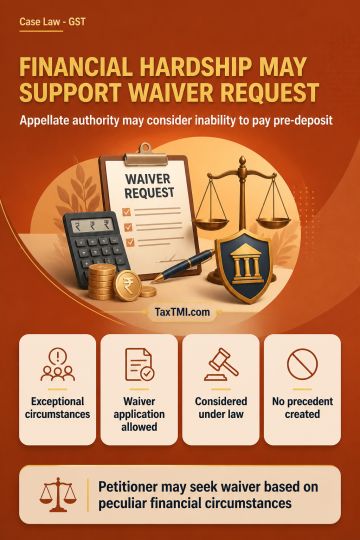
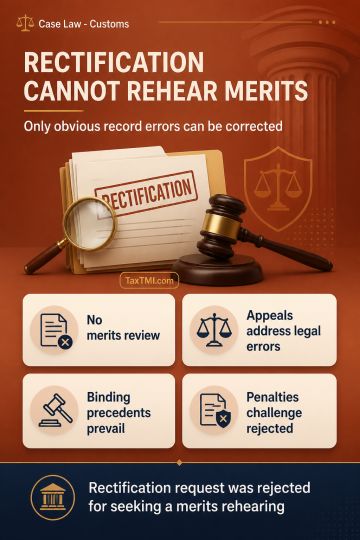
Rectification of mistake remains limited to self-evident record errors, preventing merits review through miscellaneous applications and preserving fin...
Tender creditworthiness conditions may extend to de facto Promoter Directors, with post-participation challenges generally barred absent arbitrariness...
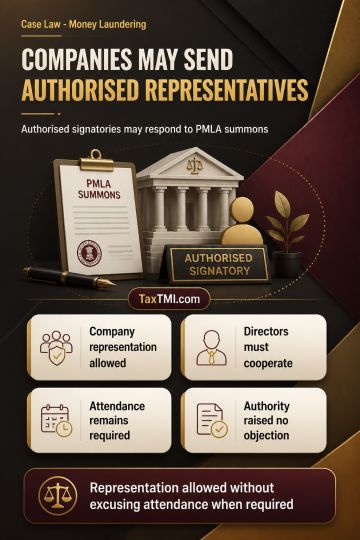
Corporate representation in PMLA summons proceedings permitted through an authorised signatory, subject to directors' continuing cooperation and atten...
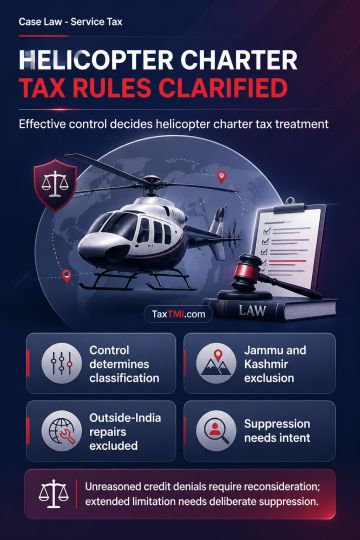
Helicopter charter classification requires effective control analysis, while territorial performance, reasoned credit orders and wilful suppression de...
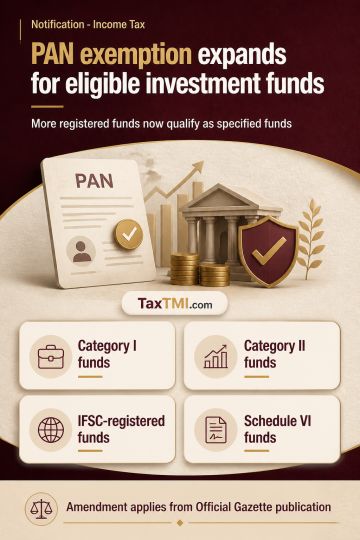
Specified fund definition expands PAN exemption eligibility for registered alternative investment funds and qualifying International Financial Service...
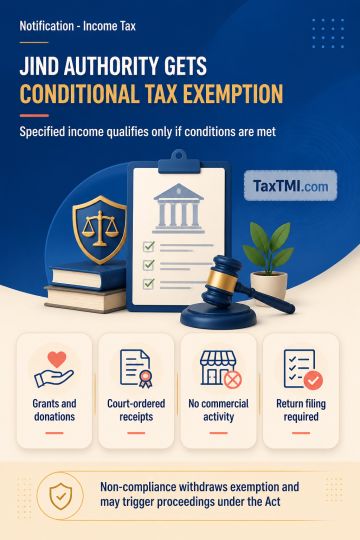
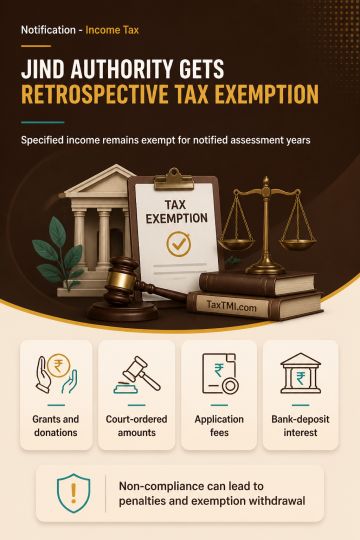
Tax exemption for specified legal-services authority income applies retrospectively, subject to non-commercial activity, unchanged income sources, and...
The bogus transactions are a camouflage and dishonest attempt to avoid tax, resulting in addition to the assessee's income. The AO's approach should be well-considered, adhering to lawful norms and principles. If transactions are found bogus, they must be discarded by making appropriate permissible additions. The CIT(A) erred in reducing the gross profit returned by the assessee from 12% to 4.74%, as it had no bearing on purchases made by procuring bills to save VAT. The revenue's appeal was allowed, directing the AO to assess income from such transactions at 12.5% in each assessment year on the purchases made. The assessee accepted this finding as beneficial. If authorities view purchases as questionable or bogus, they must undertake necessary inquiries, including procuring information from other departments, to ascertain correct facts and bring such transactions to tax to prevent tax evasion and ensure real income is taxed.
The bogus transactions are a camouflage and dishonest attempt to avoid tax, resulting in addition to the assessee's income. The AO's approach should be well-considered, adhering to lawful norms and principles. If transactions are found bogus, they must be discarded by making appropriate permissible additions. The CIT(A) erred in reducing the gross profit returned by the assessee from 12% to 4.74%, as it had no bearing on purchases made by procuring bills to save VAT. The revenue's appeal was allowed, directing the AO to assess income from such transactions at 12.5% in each assessment year on the purchases made. The assessee accepted this finding as beneficial. If authorities view purchases as questionable or bogus, they must undertake necessary inquiries, including procuring information from other departments, to ascertain correct facts and bring such transactions to tax to prevent tax evasion and ensure real income is taxed.
Note: It is a system-generated summary and is for quick reference only.
 TaxTMI
 of 4803





 Join Channel


 TaxTMI