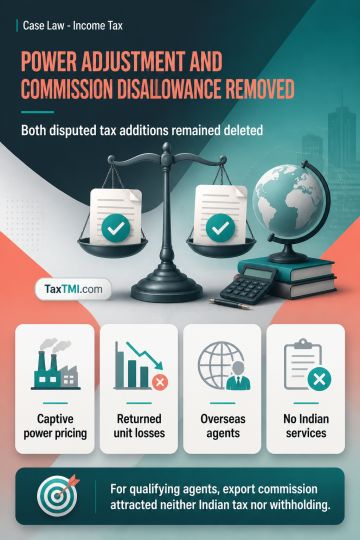
Captive power transfer pricing and non-resident export commission rules support deletion of adjustments and withholding disallowance in discussed proc...
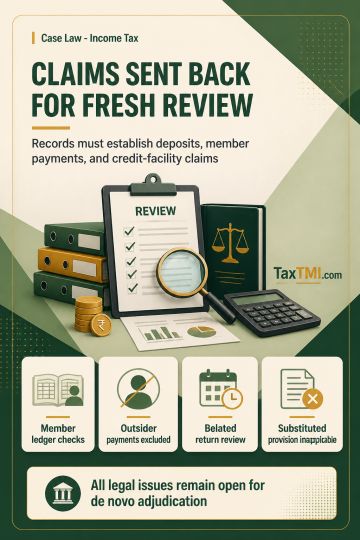
Cooperative society deposits, member-interest TDS exemption and credit-facility deduction claims require verification through records and supporting e...
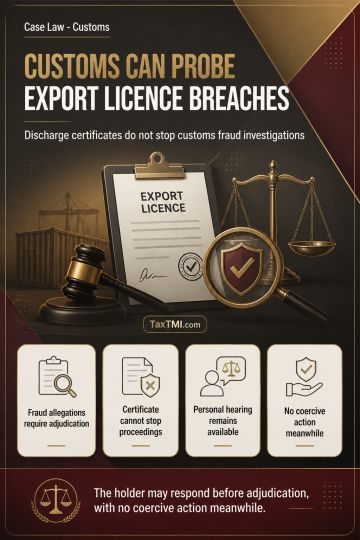
Customs jurisdiction over EPCG condition breaches survives export-obligation discharge certificates, requiring alleged fraud and misdeclaration to be ...
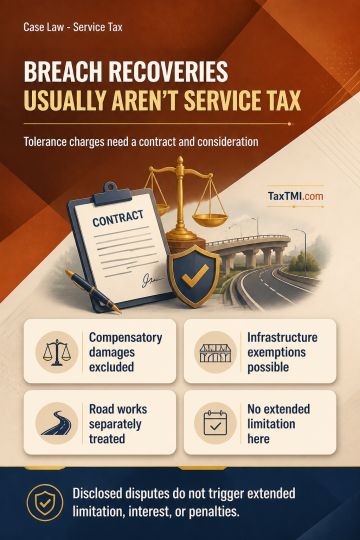
Contractual tolerance requires consideration; breach recoveries, qualifying public infrastructure services and road works escape service tax liability...
The bogus transactions are a camouflage and dishonest attempt to avoid tax, resulting in addition to the assessee's income. The AO's approach should be well-considered, adhering to lawful norms and principles. If transactions are found bogus, they must be discarded by making appropriate permissible additions. The CIT(A) erred in reducing the gross profit returned by the assessee from 12% to 4.74%, as it had no bearing on purchases made by procuring bills to save VAT. The revenue's appeal was allowed, directing the AO to assess income from such transactions at 12.5% in each assessment year on the purchases made. The assessee accepted this finding as beneficial. If authorities view purchases as questionable or bogus, they must undertake necessary inquiries, including procuring information from other departments, to ascertain correct facts and bring such transactions to tax to prevent tax evasion and ensure real income is taxed.
The bogus transactions are a camouflage and dishonest attempt to avoid tax, resulting in addition to the assessee's income. The AO's approach should be well-considered, adhering to lawful norms and principles. If transactions are found bogus, they must be discarded by making appropriate permissible additions. The CIT(A) erred in reducing the gross profit returned by the assessee from 12% to 4.74%, as it had no bearing on purchases made by procuring bills to save VAT. The revenue's appeal was allowed, directing the AO to assess income from such transactions at 12.5% in each assessment year on the purchases made. The assessee accepted this finding as beneficial. If authorities view purchases as questionable or bogus, they must undertake necessary inquiries, including procuring information from other departments, to ascertain correct facts and bring such transactions to tax to prevent tax evasion and ensure real income is taxed.
Note: It is a system-generated summary and is for quick reference only.
 TaxTMI
 of 4801





 Join Channel


 TaxTMI