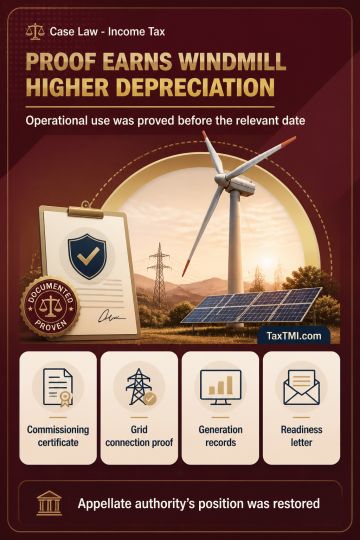
Windmill commissioning evidence supported higher depreciation where grid connection and electricity generation proved operational use before the relev...
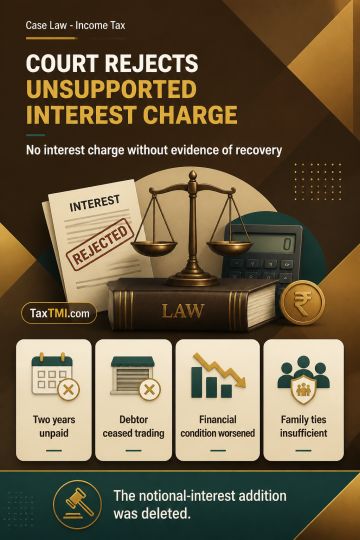
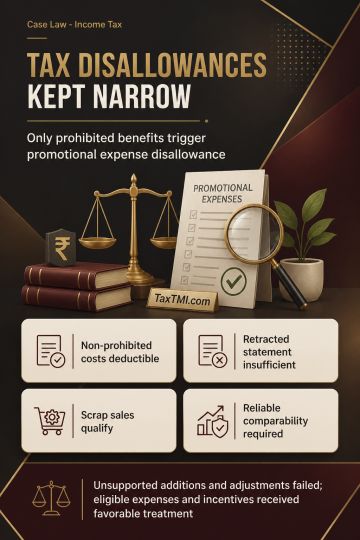
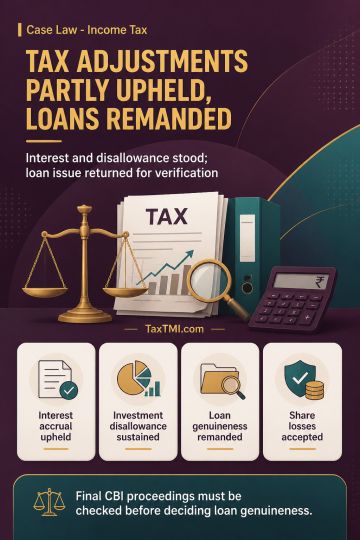
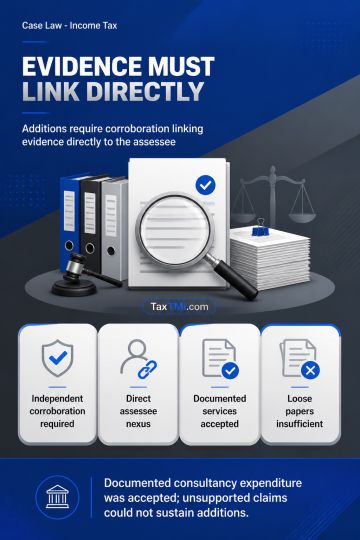
Pharmaceutical promotion and transfer-pricing comparability principles limited disallowances, while uncorroborated search allegations and unsupported ...
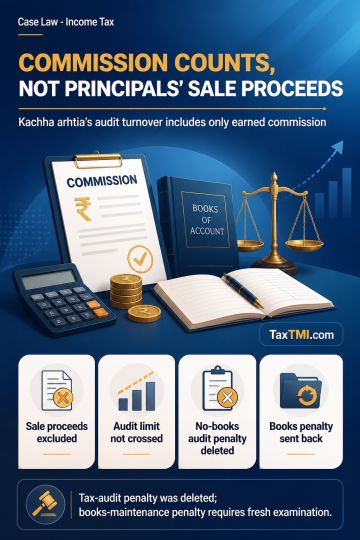
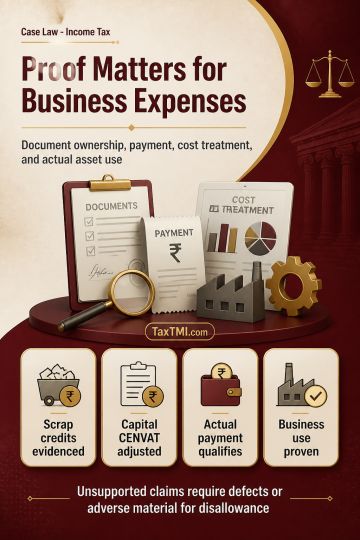
Business expenditure substantiation supports scrap credits, statutory payments and expense claims, while depreciation requires proof of actual busines...
The High Court examined a challenge against a notification issued by the Central Board of Indirect Taxes and Customs, questioning its validity u/s 168(A) of the CGST Act, 2017 due to lack of GST Council recommendation. The court found the notification prima facie inconsistent with the law, indicating potential failure of actions based on it. An assessment of force majeure applicability in light of GST Council meeting minutes was deemed necessary, with authorities given a chance to present their stance and evidence. Pending further notice, petitioners were granted interim protection against coercive measures based on the contested assessment order. Respondents were instructed to submit affidavits by a specified date for further proceedings.
The High Court examined a challenge against a notification issued by the Central Board of Indirect Taxes and Customs, questioning its validity u/s 168(A) of the CGST Act, 2017 due to lack of GST Council recommendation. The court found the notification prima facie inconsistent with the law, indicating potential failure of actions based on it. An assessment of force majeure applicability in light of GST Council meeting minutes was deemed necessary, with authorities given a chance to present their stance and evidence. Pending further notice, petitioners were granted interim protection against coercive measures based on the contested assessment order. Respondents were instructed to submit affidavits by a specified date for further proceedings.
Note: It is a system-generated summary and is for quick reference only.
 TaxTMI
 of 4803




 Join Channel


 TaxTMI
