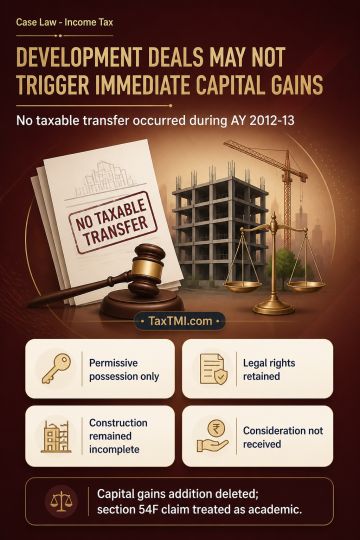
Development agreements require legal possession or effective enjoyment for capital gains transfer; permissive possession and deferred consideration de...
Prolonged sterilisation of development rights supports capital-gains treatment, while business-income disallowances cannot govern capital-gains comput...
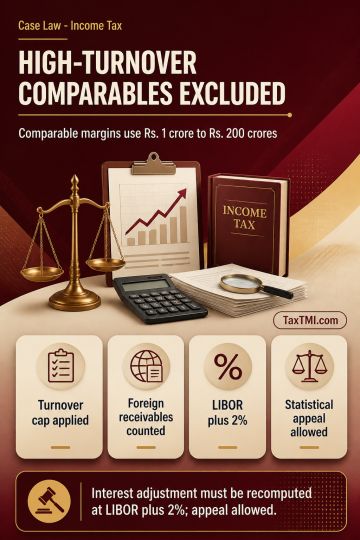
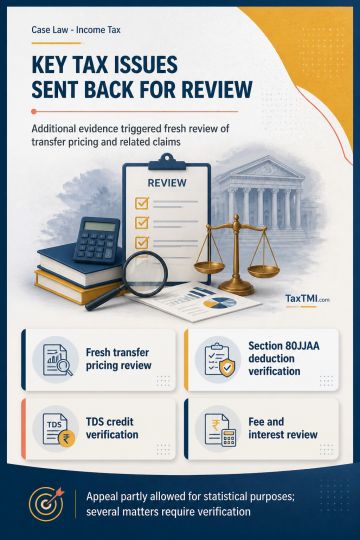
Additional evidence in transfer pricing dispute leads to fresh examination, while tax deductions, TDS credit, fee and refund interest require verifica...
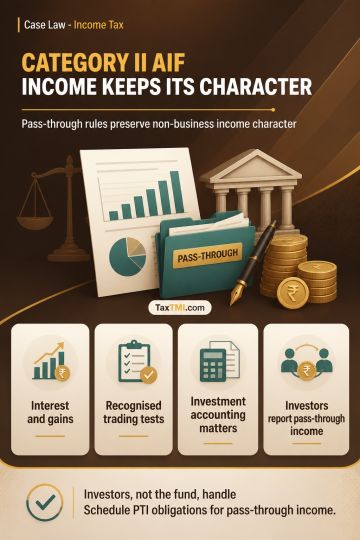
Category II AIF pass-through taxation preserves non-business income character; investment receipts cannot be reclassified without applying recognised ...
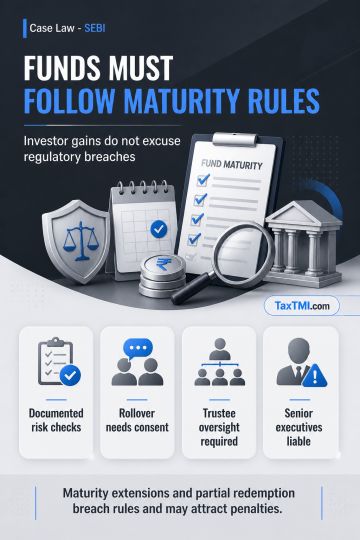
Mutual fund maturity rules require proper rollover, redemption, disclosure, and due diligence; investor gains cannot excuse regulatory breaches or pen...
The case involved the forfeiture of a security deposit under regulation 20 of the Customs House Agents' Licencing Regulations, 2014 due to breaches of regulations 13(a), 13(d), and 13(e). The issue was raised by a custom house agent before the High Court of Bombay, with the Commissioner of Customs arguing against the appeal's maintainability before the Tribunal due to limitations in the governing regulations. The Learned Authorised Representative's changed stance was deemed inconsistent and inconsequential in light of the High Court's decision in a previous case. The High Court of Bombay held that the appellate remedy for customs brokers is limited by the governing regulations, making general appeal provisions inapplicable. The decision was binding, leading to the dismissal of the appeal by the Appellate Tribunal (CESTAT).
The case involved the forfeiture of a security deposit under regulation 20 of the Customs House Agents' Licencing Regulations, 2014 due to breaches of regulations 13(a), 13(d), and 13(e). The issue was raised by a custom house agent before the High Court of Bombay, with the Commissioner of Customs arguing against the appeal's maintainability before the Tribunal due to limitations in the governing regulations. The Learned Authorised Representative's changed stance was deemed inconsistent and inconsequential in light of the High Court's decision in a previous case. The High Court of Bombay held that the appellate remedy for customs brokers is limited by the governing regulations, making general appeal provisions inapplicable. The decision was binding, leading to the dismissal of the appeal by the Appellate Tribunal (CESTAT).
Note: It is a system-generated summary and is for quick reference only.
 TaxTMI
 of 4794








 Join Channel


 TaxTMI
