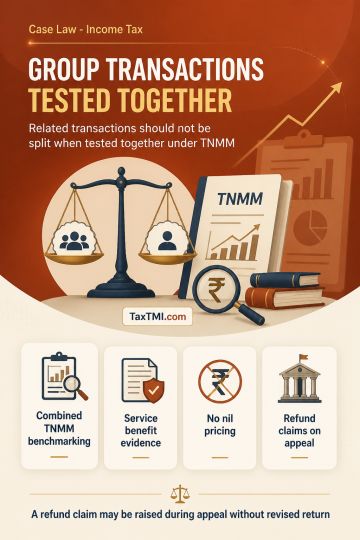
Aggregation under TNMM prevents selective testing of intra-group services without comparable uncontrolled transactions, while appellate additional cla...
Protective assessment cannot duplicate identical receipts under competing characterisations; remote services did not establish a taxable permanent est...
Current account treatment of overseas tournament services removed most FEMA findings, but excess EEFC remittance and delayed repatriation remained bre...
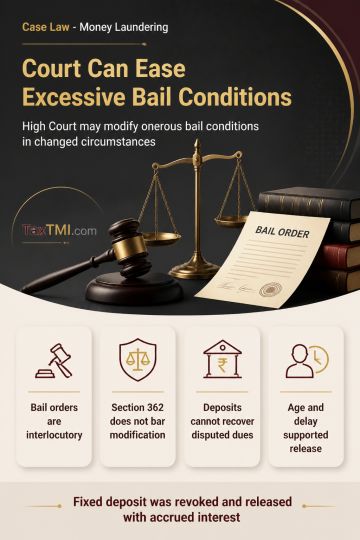
Modification of bail conditions remains available through inherent jurisdiction where onerous deposits undermine justice and cannot recover disputed d...
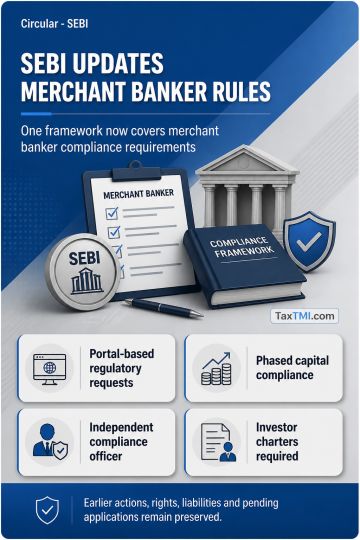
Merchant banker regulation consolidates registration, governance, capital, reporting, outsourcing and investor-protection requirements under an update...
The case involves the statutory interpretation of Entry 41 of Schedule II of the Act regarding the classification of a product as a medicated ointment. The court emphasized harmonizing inclusive and exclusive clauses in legislative provisions. Entry 41 aims to classify products based on medicinal properties, with medicated ointments receiving favorable tax treatment. The use of "but" in the entry indicates an exception for medicated ointments. The Revenue failed to disprove the product's classification, highlighting the importance of meeting the burden of proof. The court cited precedents emphasizing the Assessee's favorable interpretation in charging sections. The Tribunal's classification of the product as a medicated ointment was supported by robust evidence, leading to the dismissal of revision petitions. The High Court's revisional jurisdiction is limited to questions of law, jurisdictional errors, or procedural irregularities, not factual re-inquiry. Perversity in decisions requires meeting legal thresholds with concrete evidence. The Tribunal's decision was supported by substantial evidence, justifying the dismissal of revision petitions.
The case involves the statutory interpretation of Entry 41 of Schedule II of the Act regarding the classification of a product as a medicated ointment. The court emphasized harmonizing inclusive and exclusive clauses in legislative provisions. Entry 41 aims to classify products based on medicinal properties, with medicated ointments receiving favorable tax treatment. The use of "but" in the entry indicates an exception for medicated ointments. The Revenue failed to disprove the product's classification, highlighting the importance of meeting the burden of proof. The court cited precedents emphasizing the Assessee's favorable interpretation in charging sections. The Tribunal's classification of the product as a medicated ointment was supported by robust evidence, leading to the dismissal of revision petitions. The High Court's revisional jurisdiction is limited to questions of law, jurisdictional errors, or procedural irregularities, not factual re-inquiry. Perversity in decisions requires meeting legal thresholds with concrete evidence. The Tribunal's decision was supported by substantial evidence, justifying the dismissal of revision petitions.
Note: It is a system-generated summary and is for quick reference only.
 TaxTMI
 of 4786










 Join Channel


 TaxTMI