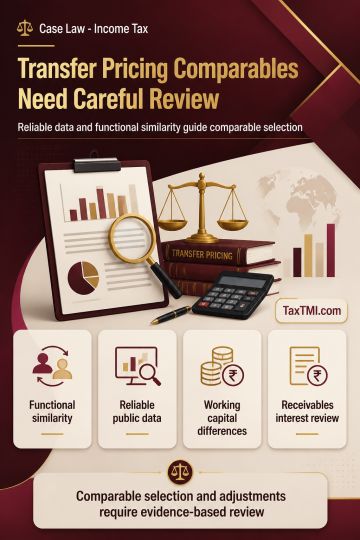
Transfer pricing comparability requires functional alignment, reliable financial data, and careful review of working capital and receivables adjustmen...
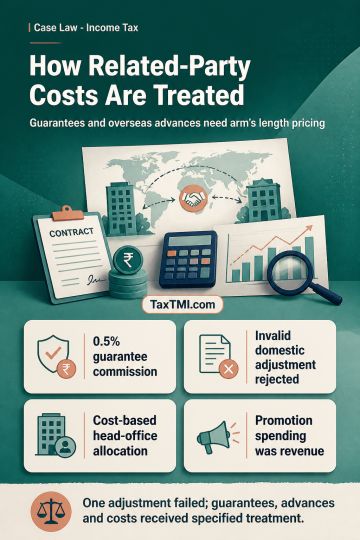
Transfer pricing rules require benchmarking corporate guarantees and associated-enterprise advances, while invalid domestic-transaction adjustments ca...
Prospective sugar export prohibition required registered letters of credit; private contracts and export quotas created no enforceable continuation ri...
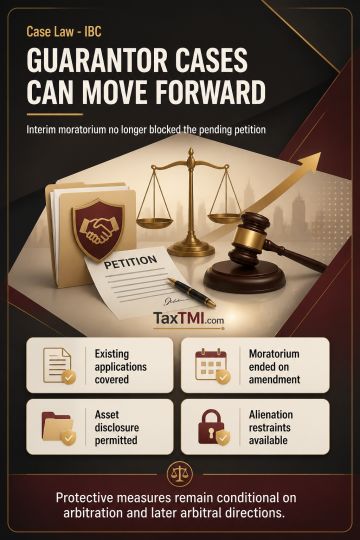
Retroactive interim-moratorium exclusion permits protective asset disclosure and preservation measures against personal guarantors pending arbitration...
The case involved a challenge to assessment orders regarding whether sponsorship receipts constitute "payment for admission to entertainment." The court examined if the pre-amended Section 2(m) of the Delhi Entertainment and Betting Tax Act covered sponsorship of fashion shows and sporting events for extending tax u/s 6. The court held that sponsorship receipts did not fall under the taxable event for entertainment tax as defined in Section 6. The retrospective introduction of Explanation 2 was deemed burdensome and onerous, not clarificatory. The court concluded that the Act lacked a specific charging provision for taxing sponsorships and did not provide a mechanism for assessing and collecting tax on sponsorships. Therefore, the petition was allowed by the High Court.
The case involved a challenge to assessment orders regarding whether sponsorship receipts constitute "payment for admission to entertainment." The court examined if the pre-amended Section 2(m) of the Delhi Entertainment and Betting Tax Act covered sponsorship of fashion shows and sporting events for extending tax u/s 6. The court held that sponsorship receipts did not fall under the taxable event for entertainment tax as defined in Section 6. The retrospective introduction of Explanation 2 was deemed burdensome and onerous, not clarificatory. The court concluded that the Act lacked a specific charging provision for taxing sponsorships and did not provide a mechanism for assessing and collecting tax on sponsorships. Therefore, the petition was allowed by the High Court.
Note: It is a system-generated summary and is for quick reference only.
 TaxTMI
 of 4782






 Join Channel


 TaxTMI