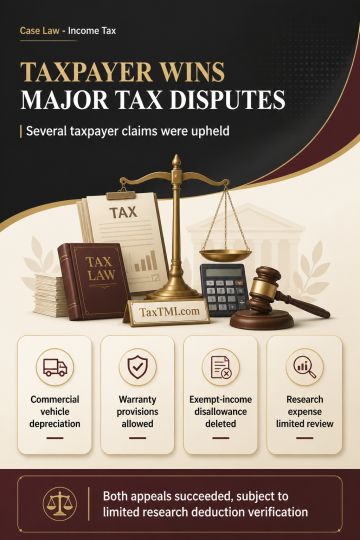
Commercial vehicle depreciation, scientifically determined warranty provisions and exempt-income disallowances were resolved in favour of the taxpayer...
Inherited property sale proceeds require capital-gains treatment where ownership is supported by evidence, not suspicion or unverified signature doubt...
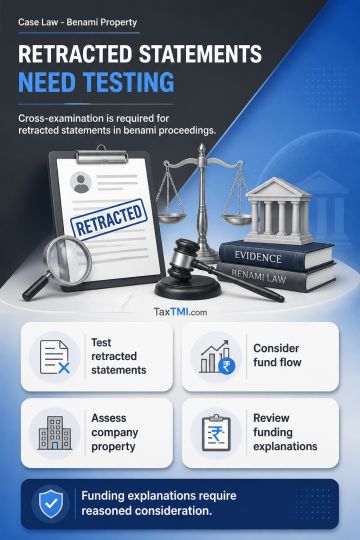
Cross-examination of retracted statements is essential where foundational evidence supports a benami allegation and documented funding explanations re...
Capital-goods exemption covers plant-modernisation accessories, while the import restriction applies only to earlier capital-goods components and spar...
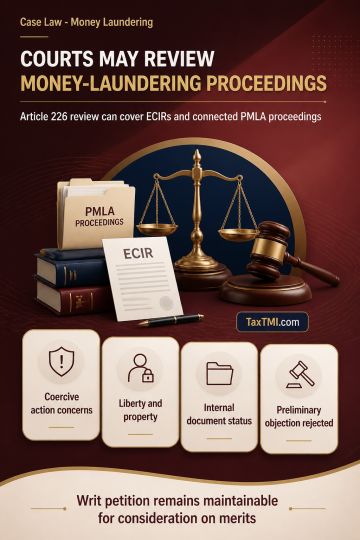
Constitutional judicial review permits challenges to ECIRs and connected money-laundering proceedings where coercive action affects fundamental intere...
The case involved a challenge to assessment orders regarding whether sponsorship receipts constitute "payment for admission to entertainment." The court examined if the pre-amended Section 2(m) of the Delhi Entertainment and Betting Tax Act covered sponsorship of fashion shows and sporting events for extending tax u/s 6. The court held that sponsorship receipts did not fall under the taxable event for entertainment tax as defined in Section 6. The retrospective introduction of Explanation 2 was deemed burdensome and onerous, not clarificatory. The court concluded that the Act lacked a specific charging provision for taxing sponsorships and did not provide a mechanism for assessing and collecting tax on sponsorships. Therefore, the petition was allowed by the High Court.
The case involved a challenge to assessment orders regarding whether sponsorship receipts constitute "payment for admission to entertainment." The court examined if the pre-amended Section 2(m) of the Delhi Entertainment and Betting Tax Act covered sponsorship of fashion shows and sporting events for extending tax u/s 6. The court held that sponsorship receipts did not fall under the taxable event for entertainment tax as defined in Section 6. The retrospective introduction of Explanation 2 was deemed burdensome and onerous, not clarificatory. The court concluded that the Act lacked a specific charging provision for taxing sponsorships and did not provide a mechanism for assessing and collecting tax on sponsorships. Therefore, the petition was allowed by the High Court.
Note: It is a system-generated summary and is for quick reference only.
 TaxTMI
 of 4782









 Join Channel


 TaxTMI
