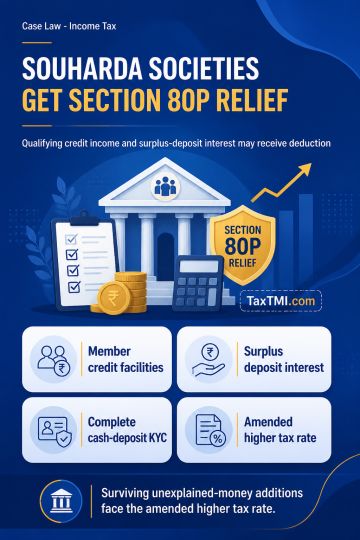
Section 80P deduction covers Souharda credit societies, including qualifying surplus-deposit interest, subject to member KYC verification for cash dep...
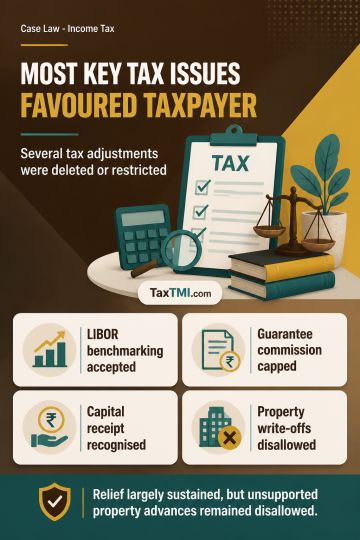
Transfer-pricing benchmarking and capital-receipt principles sustained taxpayer relief, while unsupported property-advance write-offs remained disallo...
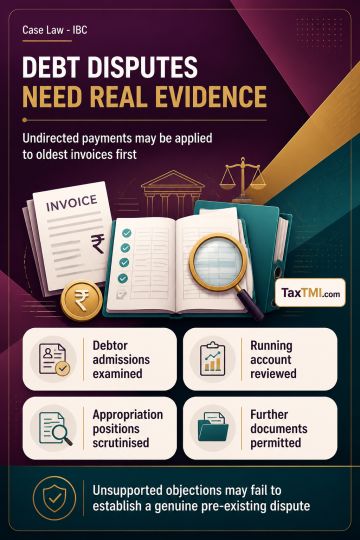
Pre-existing operational debt disputes require genuine evidence, while undirected running-account payments may be appropriated on a first-in-first-out...
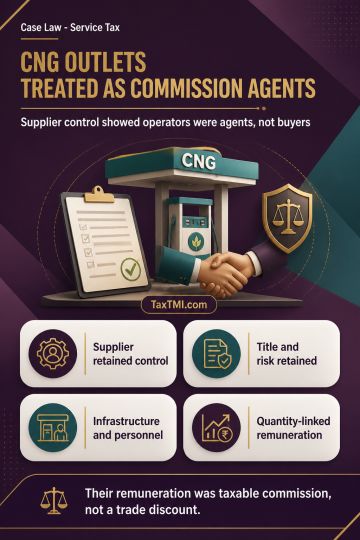
Agency in CNG distribution makes outlet operators commission agents, rendering taxable Business Auxiliary Service rather than purchasing goods for res...
Page of 4790
Press 'Enter' after typing page number.
741 to 760 of 95794 Results
❮
❯
❯❯
0 / 200
Expand Note
Add to Folder
No Folders have been created
+
Are you sure you want to delete "My most important" ?
The case dealt with the interpretation of interest clauses in an arbitration award, specifically whether interest could be payable on interest or if the awarded 15% per annum interest would apply only to the principal sum, with an additional 12% per annum interest for the preaward period. The court held that interest is generally payable on the principal sum adjudged and not on interest. The Interest Act, 1978 prohibits courts from awarding interest upon interest unless specifically provided by statute or contract terms. The court noted that neither the Act nor Section 34 of the CPC empower the court to award compound interest. The Supreme Court declined to interfere with the lower courts' decision, dismissing the Special Leave Petition.
The case dealt with the interpretation of interest clauses in an arbitration award, specifically whether interest could be payable on interest or if the awarded 15% per annum interest would apply only to the principal sum, with an additional 12% per annum interest for the preaward period. The court held that interest is generally payable on the principal sum adjudged and not on interest. The Interest Act, 1978 prohibits courts from awarding interest upon interest unless specifically provided by statute or contract terms. The court noted that neither the Act nor Section 34 of the CPC empower the court to award compound interest. The Supreme Court declined to interfere with the lower courts' decision, dismissing the Special Leave Petition.
Note: It is a system-generated summary and is for quick reference only.
 TaxTMI
 of 4790





 Join Channel


 TaxTMI