Agency in CNG distribution makes outlet operators commission agents, rendering taxable Business Auxiliary Service rather than purchasing goods for res...
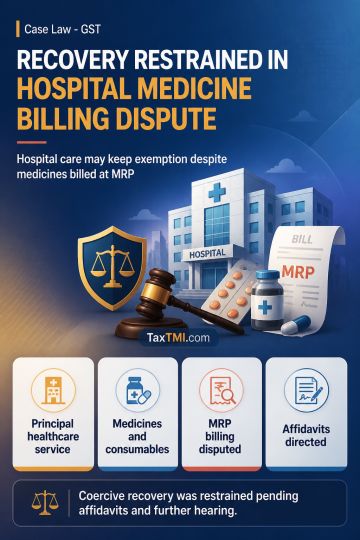
Composite inpatient healthcare supply may retain exemption despite MRP medicine billing, while separate taxable sale characterisation remains disputed...
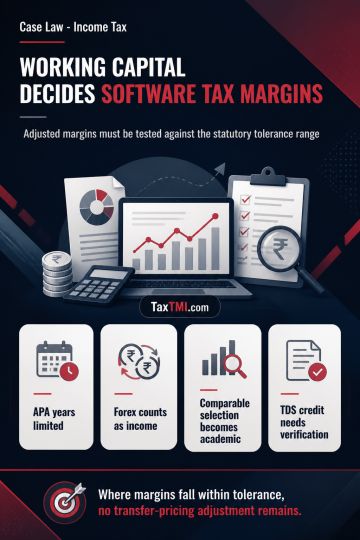
Working-capital adjustment determines whether software-services transfer-pricing margins fall within the statutory tolerance range, eliminating any ad...
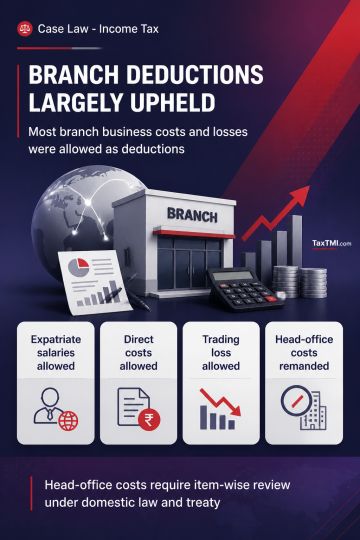
Permanent establishment deductions upheld for expatriate salaries, direct costs and trading losses, while head-office costs require fresh classificati...
Consultancy charges paid to a director were disallowed u/s 40A(2). The assessee justified the payment, citing the director's expertise, experience, and reasonableness compared to the business size. The ITAT held that the AO cannot judge the expenditure's reasonableness unless proven excessive compared to market rates. The Madras High Court ruled that expenditure reasonableness must be judged from a businessman's viewpoint, not Revenue's, unless excessive payment is proven. The assessee's project started generating revenue, justifying the increased payment. The payment complied with the Companies Act, TDS was deducted, and the director offered it for tax. The AO failed to demonstrate the payment's excessiveness or unreasonableness. Merely disallowing the differential without establishing unreasonableness was incorrect. The disallowance was deleted in favor of the assessee.
Consultancy charges paid to a director were disallowed u/s 40A(2). The assessee justified the payment, citing the director's expertise, experience, and reasonableness compared to the business size. The ITAT held that the AO cannot judge the expenditure's reasonableness unless proven excessive compared to market rates. The Madras High Court ruled that expenditure reasonableness must be judged from a businessman's viewpoint, not Revenue's, unless excessive payment is proven. The assessee's project started generating revenue, justifying the increased payment. The payment complied with the Companies Act, TDS was deducted, and the director offered it for tax. The AO failed to demonstrate the payment's excessiveness or unreasonableness. Merely disallowing the differential without establishing unreasonableness was incorrect. The disallowance was deleted in favor of the assessee.
Note: It is a system-generated summary and is for quick reference only.
 TaxTMI
 of 4798













 Join Channel


 TaxTMI
