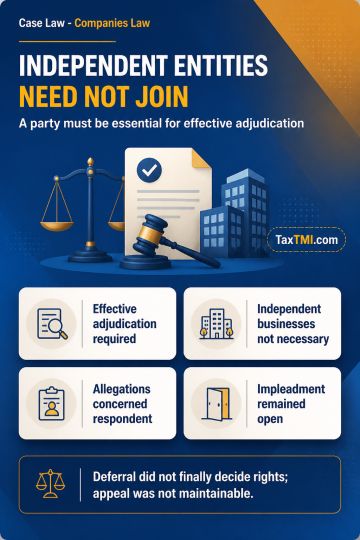
Necessary-party requirements limit impleadment of independent entities, while deferred consideration does not create an appealable adverse determinati...
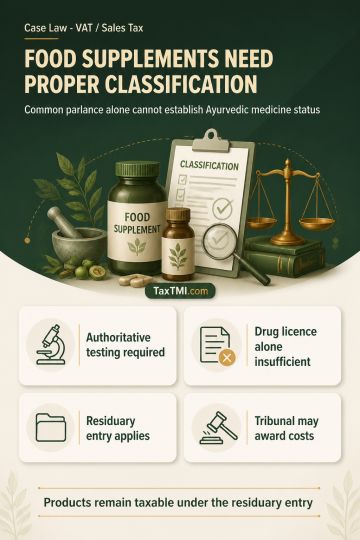
Food supplement classification requires common parlance and authoritative tests, preventing treatment as proprietary Ayurvedic medicines without suppo...
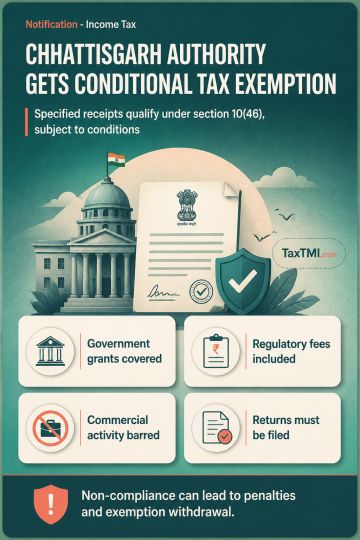
Specified regulatory authority income receives conditional tax exemption, subject to non-commercial activity, unchanged income character, and return f...
Tax exemption for regulatory authority income applies retrospectively, subject to non-commercial activity, unchanged income sources, and return-filing...
Input tax credit conditions remain constitutionally valid, with eligible recipient claims considered under GST circulars and retrospective filing dead...
The annual retable value of the property must be determined based on the expected market rate of rent, not the actual rent received. The matter was restored to the Assessing Officer to determine the annual letable value after considering relevant factors and providing an opportunity to the assessee. Regarding expenses provisioned at the year-end and reversed at the beginning, if the payer, payee, nature of services, and liability amount are identified, tax should have been deducted. However, if the assessee paid such tax before the due date u/s 139(1), no disallowance can be made. The addition for stock shortage was deleted as the shortage amount was insignificant compared to the average stock, and such occurrences are normal in a manufacturing company. The addition for scrap sale was also deleted as it is unfair to determine the average sale per day and make an addition despite the scrap not being sold. The sale of scrap is accounted for as and when it is sold.
The annual retable value of the property must be determined based on the expected market rate of rent, not the actual rent received. The matter was restored to the Assessing Officer to determine the annual letable value after considering relevant factors and providing an opportunity to the assessee. Regarding expenses provisioned at the year-end and reversed at the beginning, if the payer, payee, nature of services, and liability amount are identified, tax should have been deducted. However, if the assessee paid such tax before the due date u/s 139(1), no disallowance can be made. The addition for stock shortage was deleted as the shortage amount was insignificant compared to the average stock, and such occurrences are normal in a manufacturing company. The addition for scrap sale was also deleted as it is unfair to determine the average sale per day and make an addition despite the scrap not being sold. The sale of scrap is accounted for as and when it is sold.
Note: It is a system-generated summary and is for quick reference only.
 TaxTMI
 of 4792















 Join Channel


 TaxTMI