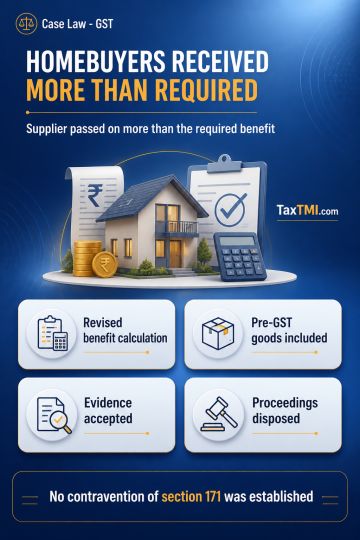
Necessary-party requirements limit impleadment of independent entities, while deferred consideration does not create an appealable adverse determinati...
Food supplement classification requires common parlance and authoritative tests, preventing treatment as proprietary Ayurvedic medicines without suppo...
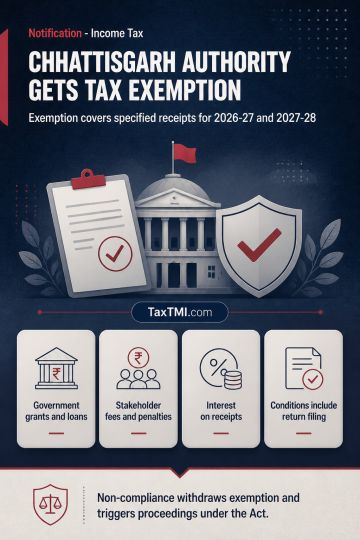
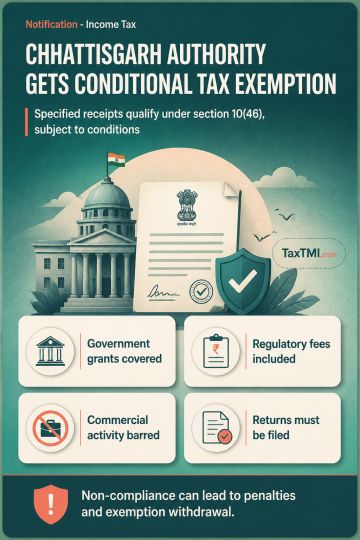
Specified regulatory authority income receives conditional tax exemption, subject to non-commercial activity, unchanged income character, and return f...
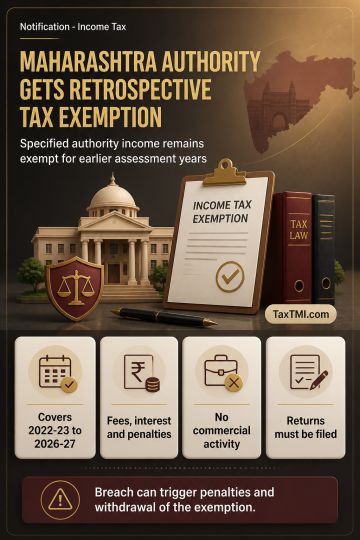
Tax exemption for regulatory authority income applies retrospectively, subject to non-commercial activity, unchanged income sources, and return-filing...
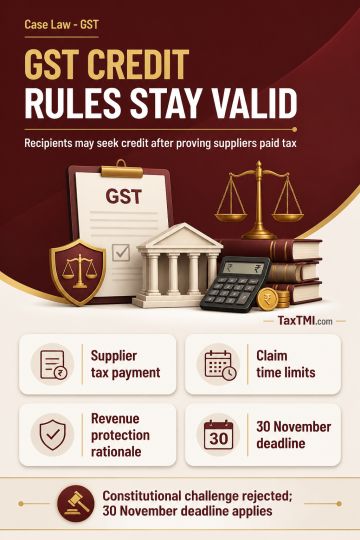
Input tax credit conditions remain constitutionally valid, with eligible recipient claims considered under GST circulars and retrospective filing dead...
The petition is dismissed as an alternative efficacious remedy is available to challenge the impugned order u/s 107 of the GST Act. While violation of natural justice and vires of Section 16(2)(c) are grounds to entertain the writ, disputed questions of fact regarding opportunity of hearing and composite invocation of Section 16(2)(b) and 16(2)(c) necessitate thorough analysis, precluding interference at this stage. The petitioner can raise contentions on merits, including interpretation of Section 16(2)(b) read with Rule 36 and Section 155, before the Appellate Authority u/s 107.
The petition is dismissed as an alternative efficacious remedy is available to challenge the impugned order u/s 107 of the GST Act. While violation of natural justice and vires of Section 16(2)(c) are grounds to entertain the writ, disputed questions of fact regarding opportunity of hearing and composite invocation of Section 16(2)(b) and 16(2)(c) necessitate thorough analysis, precluding interference at this stage. The petitioner can raise contentions on merits, including interpretation of Section 16(2)(b) read with Rule 36 and Section 155, before the Appellate Authority u/s 107.
Note: It is a system-generated summary and is for quick reference only.
 TaxTMI
 of 4805














 Join Channel


 TaxTMI