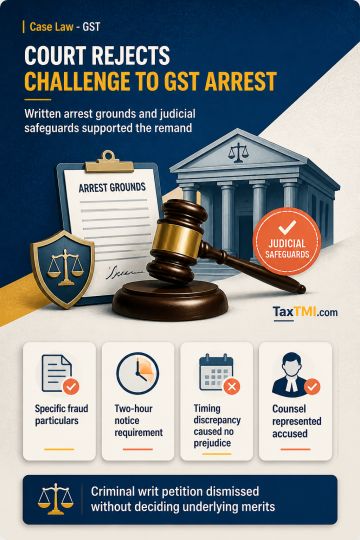
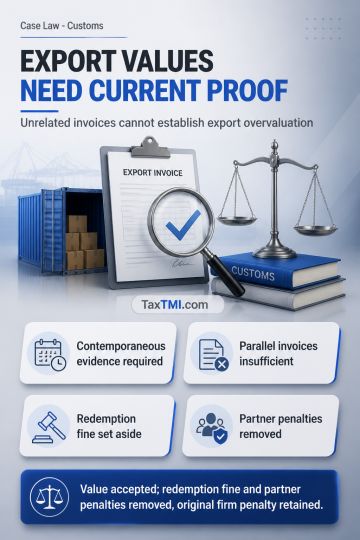
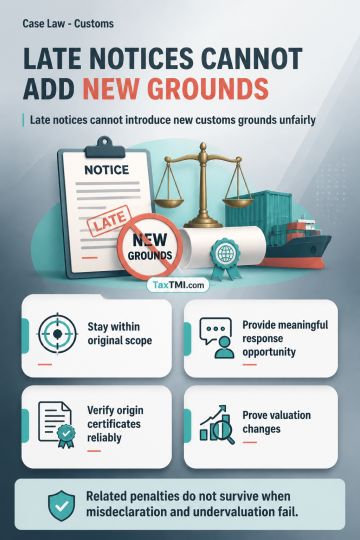
Export valuation requires contemporaneous evidence; unrelated invoices cannot prove overvaluation, and dual penalties on firm and partner are impermis...
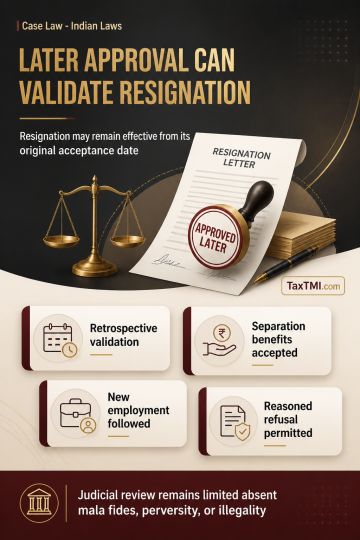
Ratification of resignation acceptance validates separation retrospectively, while withdrawal may be refused through reasoned administrative discretio...
Nature-dependent electricity contracts receive new Ind AS accounting, hedge designation, transition and financial-statement disclosure requirements fr...
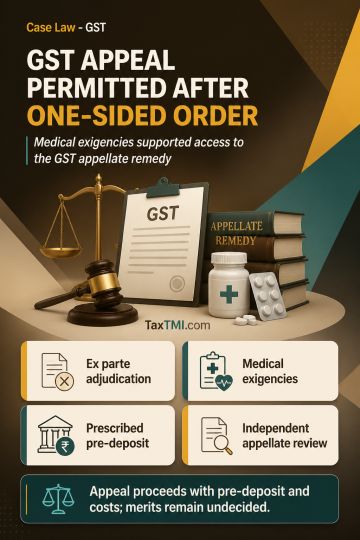
Alternative GST remedy permitted protective writ intervention for ex parte adjudication, preserving independent appellate review of input tax credit d...
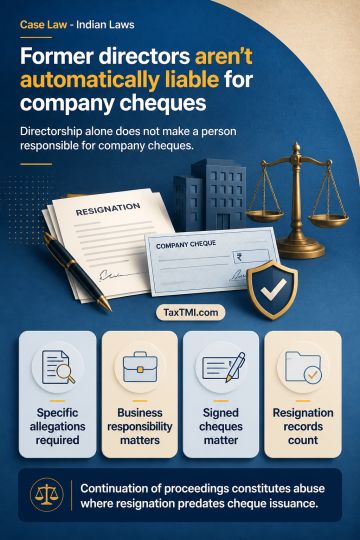
Dishonour of cheque - vicarious liability in criminal law - The SC interpreted Section 7 of the NI Act to identify the "drawer" as the individual issuing the cheque, establishing the drawer's primary obligation u/s 138 to maintain sufficient funds. The argument that directors or authorized signatories should be liable u/s 143A misinterprets statutory language and intent. The general rule against vicarious criminal liability underscores that individuals are not typically liable for others' acts unless specific provisions extend such liability. Section 141 extends liability to company officers for cheque dishonour, but liability arises from individual conduct, not merely position. The SC upheld the strict interpretation of "drawer" as the cheque issuer, excluding authorized signatories, aligning with legislative intent, precedents, and interpretation principles. The primary liability lies with the company, while management is vicariously liable u/s 141's conditions.
Dishonour of cheque - vicarious liability in criminal law - The SC interpreted Section 7 of the NI Act to identify the "drawer" as the individual issuing the cheque, establishing the drawer's primary obligation u/s 138 to maintain sufficient funds. The argument that directors or authorized signatories should be liable u/s 143A misinterprets statutory language and intent. The general rule against vicarious criminal liability underscores that individuals are not typically liable for others' acts unless specific provisions extend such liability. Section 141 extends liability to company officers for cheque dishonour, but liability arises from individual conduct, not merely position. The SC upheld the strict interpretation of "drawer" as the cheque issuer, excluding authorized signatories, aligning with legislative intent, precedents, and interpretation principles. The primary liability lies with the company, while management is vicariously liable u/s 141's conditions.
Note: It is a system-generated summary and is for quick reference only.
 TaxTMI
  TaxTMI
 of 4819




 Join Channel