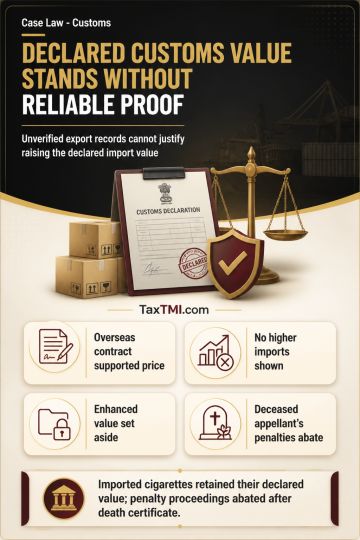
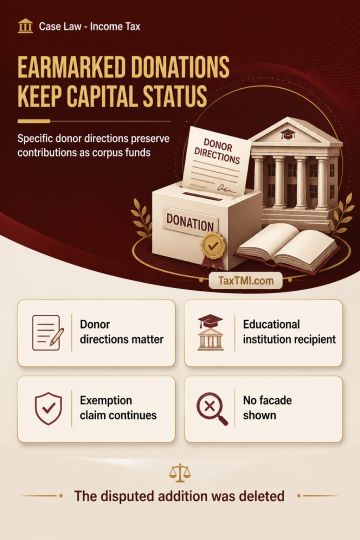
Donor-directed corpus contributions retain capital character despite exemption claims under section 10(23C)(vi), preventing their treatment as taxable...
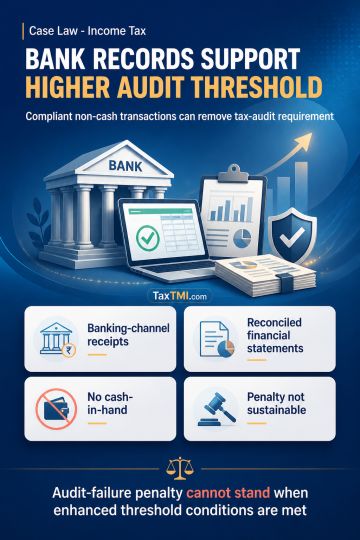
Enhanced tax-audit threshold applies where banking records establish compliant non-cash receipts and payments, eliminating penalty exposure for audit ...
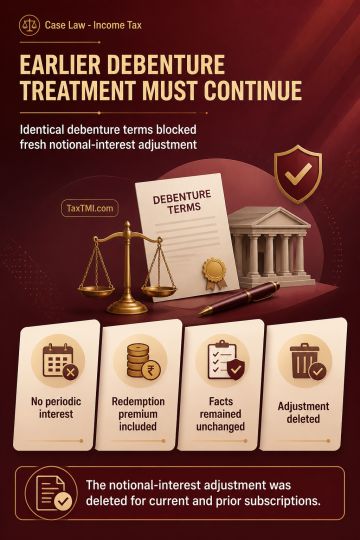
Transfer pricing consistency protects identical non-interest-bearing debenture terms from a later notional-interest adjustment without valid statutory...
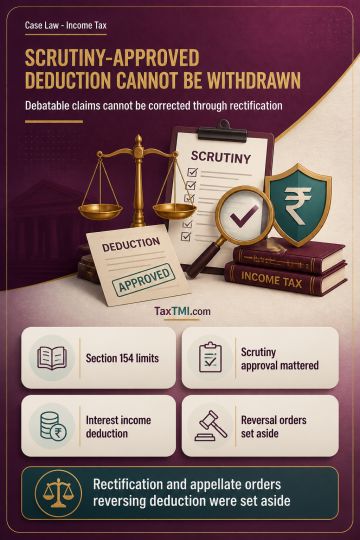
Rectification of debatable deduction claims cannot reverse scrutiny-approved co-operative society interest income deductions as apparent record errors...
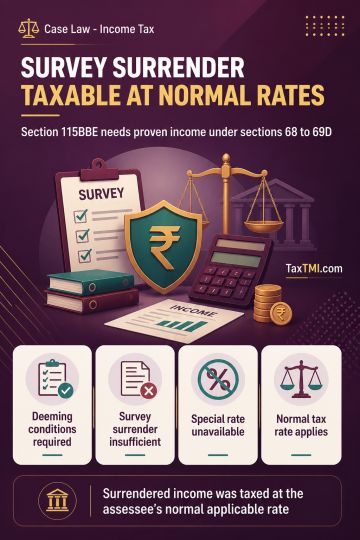
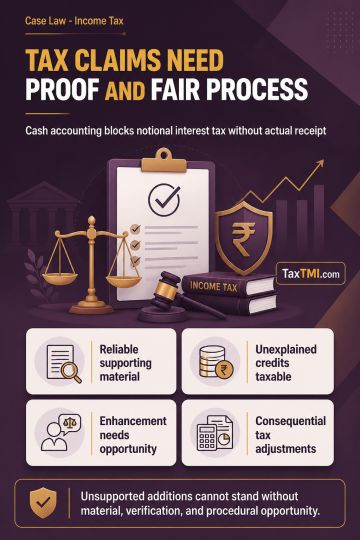
Cash-method accounting bars presumptive interest taxation, while unsupported securities and share-trading additions require reliable material and veri...
Dishonour of cheque - vicarious liability in criminal law - The SC interpreted Section 7 of the NI Act to identify the "drawer" as the individual issuing the cheque, establishing the drawer's primary obligation u/s 138 to maintain sufficient funds. The argument that directors or authorized signatories should be liable u/s 143A misinterprets statutory language and intent. The general rule against vicarious criminal liability underscores that individuals are not typically liable for others' acts unless specific provisions extend such liability. Section 141 extends liability to company officers for cheque dishonour, but liability arises from individual conduct, not merely position. The SC upheld the strict interpretation of "drawer" as the cheque issuer, excluding authorized signatories, aligning with legislative intent, precedents, and interpretation principles. The primary liability lies with the company, while management is vicariously liable u/s 141's conditions.
Dishonour of cheque - vicarious liability in criminal law - The SC interpreted Section 7 of the NI Act to identify the "drawer" as the individual issuing the cheque, establishing the drawer's primary obligation u/s 138 to maintain sufficient funds. The argument that directors or authorized signatories should be liable u/s 143A misinterprets statutory language and intent. The general rule against vicarious criminal liability underscores that individuals are not typically liable for others' acts unless specific provisions extend such liability. Section 141 extends liability to company officers for cheque dishonour, but liability arises from individual conduct, not merely position. The SC upheld the strict interpretation of "drawer" as the cheque issuer, excluding authorized signatories, aligning with legislative intent, precedents, and interpretation principles. The primary liability lies with the company, while management is vicariously liable u/s 141's conditions.
Note: It is a system-generated summary and is for quick reference only.
 TaxTMI
  TaxTMI
 of 4817





 Join Channel