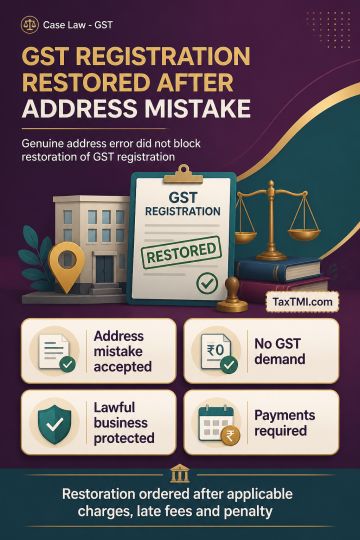
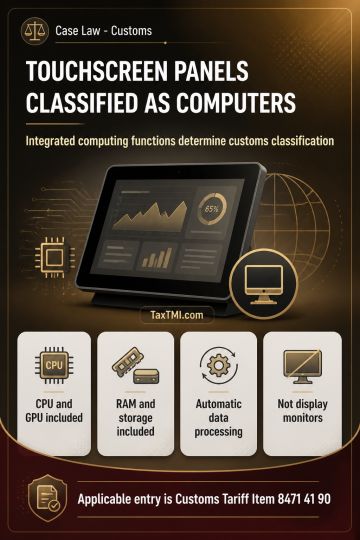
Interactive touchscreen panels with integrated computing functions fall under automatic data-processing machines rather than display monitors for cust...
Ex parte injunction service requirements were substantially met, while civil recovery and SFIO investigation into provident fund defalcation continued...
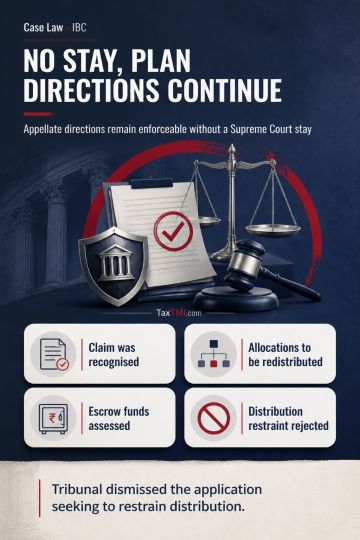
Enforcement of resolution-plan directions continues without a Supreme Court stay, preventing suspension of redistribution and escrowed-fund distributi...
Third-party ownership claims over attached property require Special Court adjudication where purchasers lack registered sale deeds and bona fides rema...
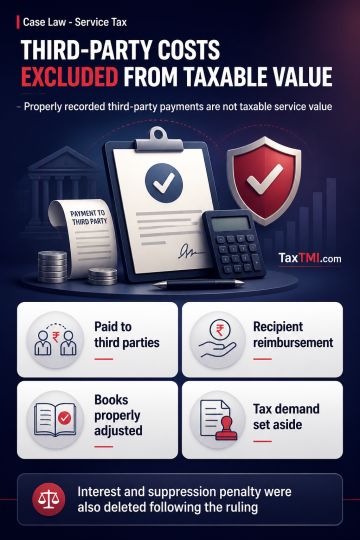
Pure-agent reimbursements in clearing and forwarding services are excluded from taxable value when qualifying third-party payments are properly record...
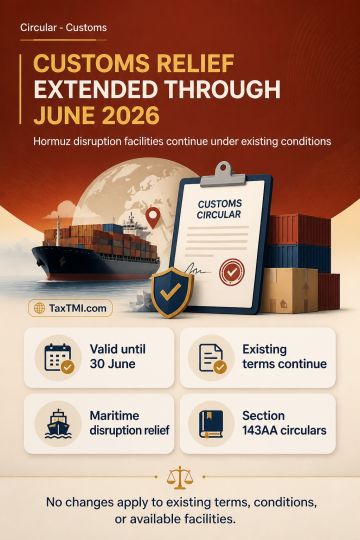
Customs relief for Strait of Hormuz maritime disruptions remains available, with existing conditions continuing unchanged through the extended validit...
The assessee company was denied exemption under Article 13(3B) and 13(4) of the India-Mauritius Treaty, and its capital gains from sale of shares, futures, and options were taxed, as its control and management were found to lie outside Mauritius in UAE, with the beneficial owner being a UAE resident. However, the CIT(A) held the assessee eligible for the India-Mauritius treaty benefit. The ITAT upheld the CIT(A)'s decision, finding no conclusive evidence that the assessee's control and management were outside Mauritius or that the beneficial owner was a UAE resident. The assessee had Mauritius-resident directors, held board meetings in Mauritius, had a valid TRC, Category 1 Global Business License, and SEBI registration, proving its Mauritius tax residency. The protocol amending the treaty was not applicable as it had not come into force. The ITAT relied on Supreme Court's Azadi Bachao Andolan case principles and CBDT Circular 789/2000 while interpreting the treaty.
The assessee company was denied exemption under Article 13(3B) and 13(4) of the India-Mauritius Treaty, and its capital gains from sale of shares, futures, and options were taxed, as its control and management were found to lie outside Mauritius in UAE, with the beneficial owner being a UAE resident. However, the CIT(A) held the assessee eligible for the India-Mauritius treaty benefit. The ITAT upheld the CIT(A)'s decision, finding no conclusive evidence that the assessee's control and management were outside Mauritius or that the beneficial owner was a UAE resident. The assessee had Mauritius-resident directors, held board meetings in Mauritius, had a valid TRC, Category 1 Global Business License, and SEBI registration, proving its Mauritius tax residency. The protocol amending the treaty was not applicable as it had not come into force. The ITAT relied on Supreme Court's Azadi Bachao Andolan case principles and CBDT Circular 789/2000 while interpreting the treaty.
Note: It is a system-generated summary and is for quick reference only.
 TaxTMI
  TaxTMI
 of 4811










 Join Channel