Windmill commissioning evidence supported higher depreciation where grid connection and electricity generation proved operational use before the relev...
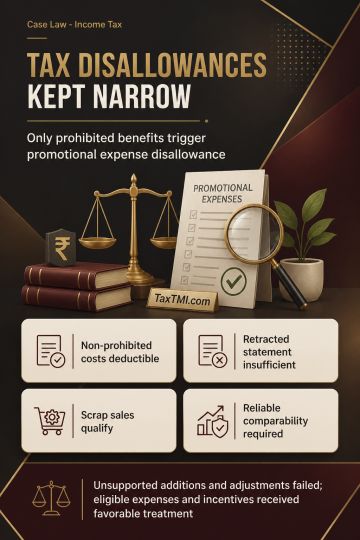
Pharmaceutical promotion and transfer-pricing comparability principles limited disallowances, while uncorroborated search allegations and unsupported ...
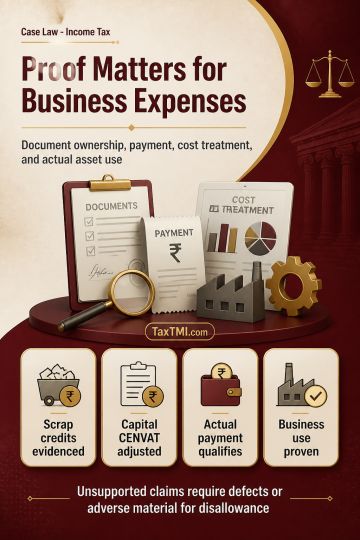
Business expenditure substantiation supports scrap credits, statutory payments and expense claims, while depreciation requires proof of actual busines...
The court held that the Registrar of Companies (ROC) had the power to strike off the name of a company from the Register u/s 560(1)(6) of the old Companies Act, 1956, which is pari materia with Section 248 of the new Companies Act, 2013. The provisions under the old and new Acts are consistent, with the new Act providing a more detailed procedure for striking off and an effective remedy for dealing with deregistration of non-operational companies. The registers maintained under the old Act are deemed to be maintained under the new Act. The petitioner's remedy lies with the National Company Law Tribunal under Chapter XXVII of the Companies Act, 2013. Therefore, the application was dismissed.
The court held that the Registrar of Companies (ROC) had the power to strike off the name of a company from the Register u/s 560(1)(6) of the old Companies Act, 1956, which is pari materia with Section 248 of the new Companies Act, 2013. The provisions under the old and new Acts are consistent, with the new Act providing a more detailed procedure for striking off and an effective remedy for dealing with deregistration of non-operational companies. The registers maintained under the old Act are deemed to be maintained under the new Act. The petitioner's remedy lies with the National Company Law Tribunal under Chapter XXVII of the Companies Act, 2013. Therefore, the application was dismissed.
Note: It is a system-generated summary and is for quick reference only.
 TaxTMI
  TaxTMI
 of 4811












 Join Channel


