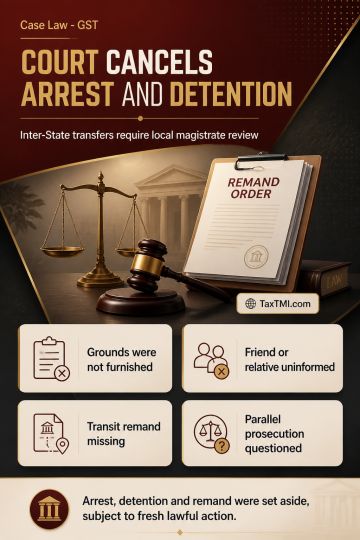
Arrest safeguards and transit remand requirements invalidated detention following inter-State transfer without communicated grounds or magistrate auth...
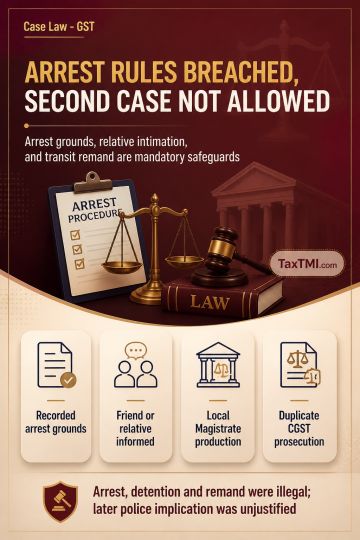
Arrest safeguards require disclosed grounds, relative intimation and transit remand, while duplicate prosecution under the CGST framework is unsustain...
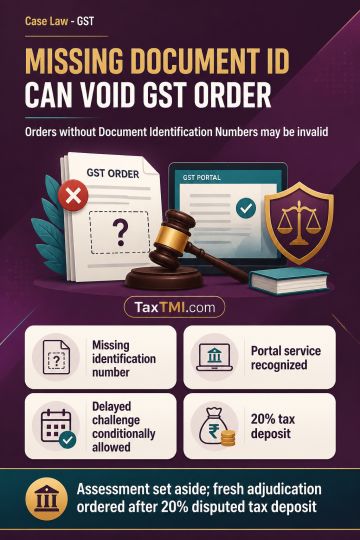
Document Identification Number defects can invalidate GST assessments, with delayed challenges entertained conditionally where patent irregularities e...
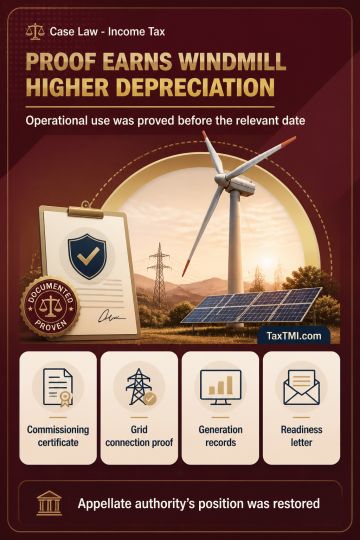
Windmill commissioning evidence supported higher depreciation where grid connection and electricity generation proved operational use before the relev...
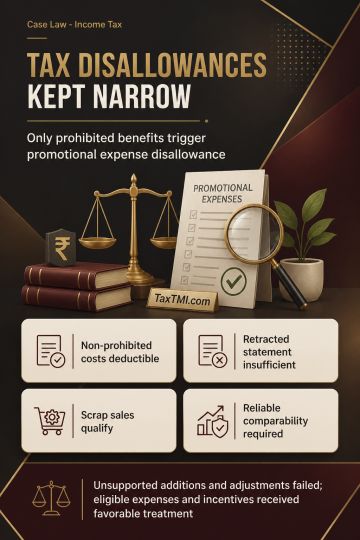
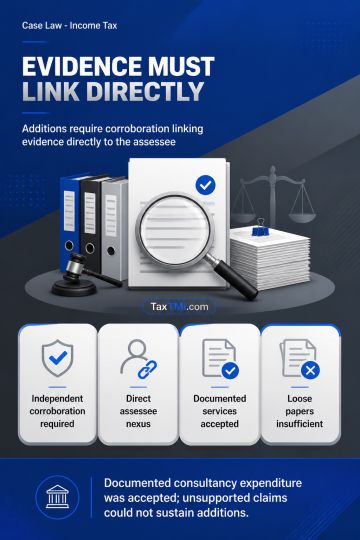
Pharmaceutical promotion and transfer-pricing comparability principles limited disallowances, while uncorroborated search allegations and unsupported ...
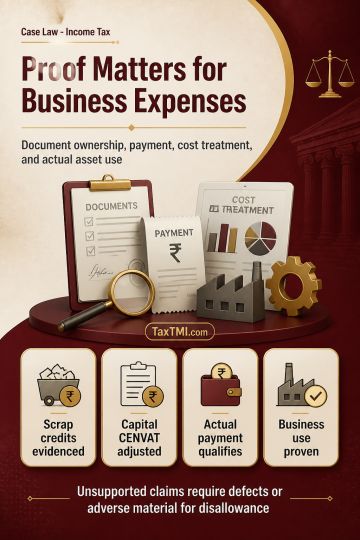
Business expenditure substantiation supports scrap credits, statutory payments and expense claims, while depreciation requires proof of actual busines...
The appellant was issued penalty u/r 26(2) of Central Excise Rules, 2002, alleging that second stage dealers based in Jaipur were issuing cenvatable invoices to the main noticee without delivering goods, which were purchased from first stage dealers and manufactured by non-existent or non-working manufacturers. The Commissioner (Appeals) recorded categorical findings that the main noticee had duly received goods and made duty payment. Tribunal held that when the demand for cenvat credit itself is not maintainable, there is no justification to affirm penalty on the appellant. Following the principles enunciated by Division Bench in Drolia Electrosteel case, where department accepted findings of Commissioner (Appeals), there is no justification to uphold penalty imposition on appellant. The impugned order was set aside and appeal allowed.
The appellant was issued penalty u/r 26(2) of Central Excise Rules, 2002, alleging that second stage dealers based in Jaipur were issuing cenvatable invoices to the main noticee without delivering goods, which were purchased from first stage dealers and manufactured by non-existent or non-working manufacturers. The Commissioner (Appeals) recorded categorical findings that the main noticee had duly received goods and made duty payment. Tribunal held that when the demand for cenvat credit itself is not maintainable, there is no justification to affirm penalty on the appellant. Following the principles enunciated by Division Bench in Drolia Electrosteel case, where department accepted findings of Commissioner (Appeals), there is no justification to uphold penalty imposition on appellant. The impugned order was set aside and appeal allowed.
Note: It is a system-generated summary and is for quick reference only.
 TaxTMI
  TaxTMI
 of 4809




 Join Channel


