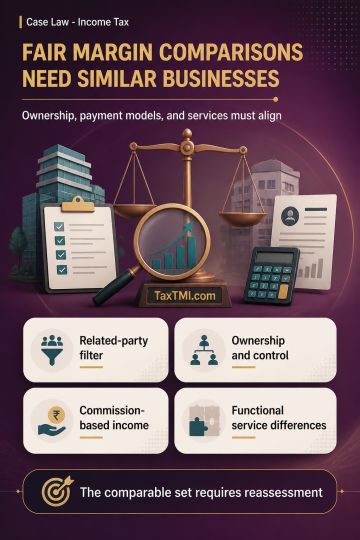
TNMM functional comparability requires excluding rice manufacturers from a pure Basmati rice trader's benchmark and recognising operating export recei...
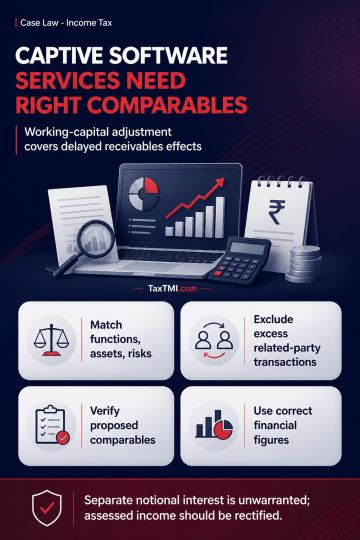
Working-capital adjustment subsumes delayed-receivable effects in TNMM benchmarking of captive software-development services, avoiding separate notion...
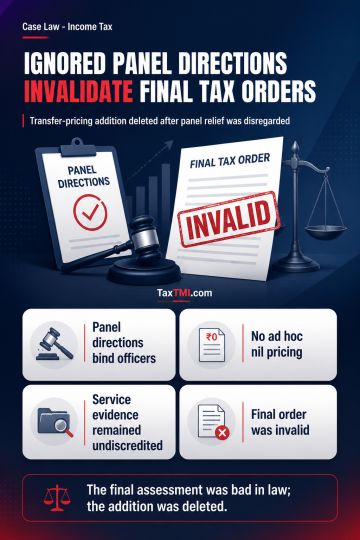
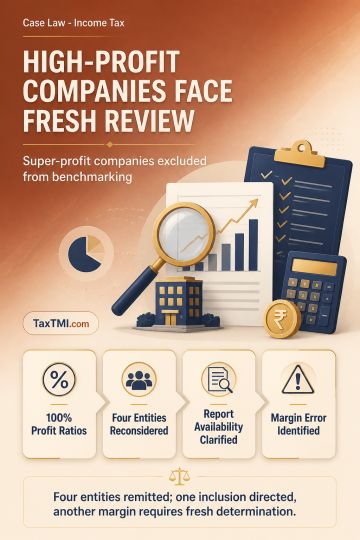
Transfer-pricing comparability requires exclusion of financially illogical super-profit comparables and correction of unsupported annual-report and ma...
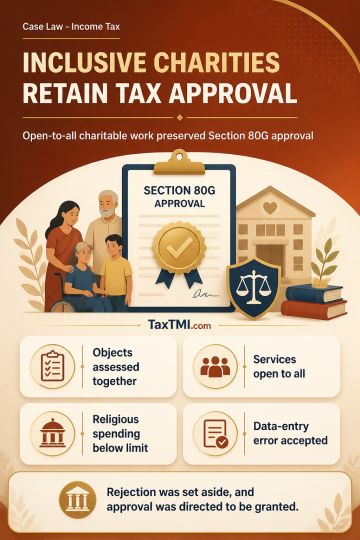
Charitable character assessment preserves Section 80G approval despite inclusive spiritual teachings and incidental religious expenditure within the s...
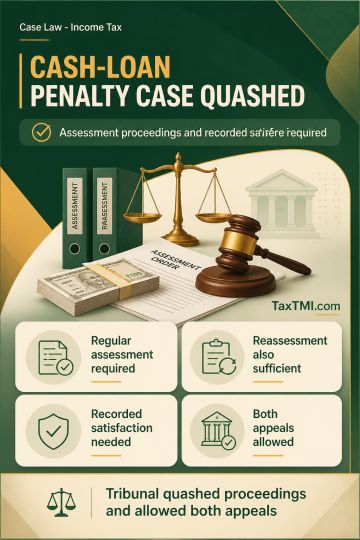
Penalty proceedings for cash-loan acceptance require assessment proceedings and recorded Assessing Officer satisfaction; absent these, the proceedings...
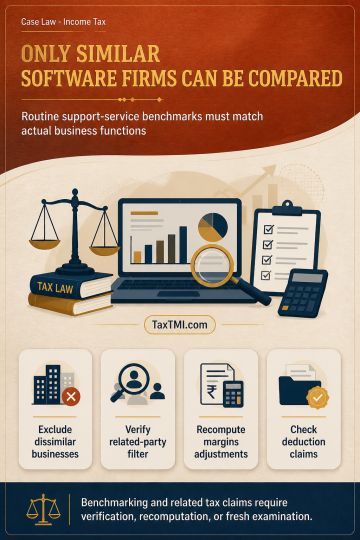
Functional comparability governs software-service benchmarking: dissimilar companies are excluded, while related-party filters, margins and working-ca...
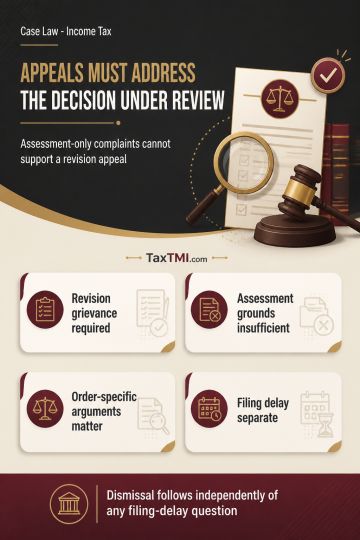
The assessee delayed filing an appeal before the Commissioner of Income Tax (Appeals) (CIT(A)) by 1008 days, citing changes in administrative staff and management roles post-COVID as reasons. However, the COVID pandemic subsided in March 2022, yet the assessee filed the appeal in November 2022, a delay of eight months without valid justification. The assessee's representative merely stated illness of a partner and administrative problems, which were deemed insufficient reasons. According to Section 9 of the Limitation Act, once the limitation period commences, subsequent disabilities or inability do not stop it. The limitation period began on 02.09.2019, and the 1008-day delay in filing the appeal before the CIT(A) was not condoned due to lack of sufficient cause. Consequently, the assessee's appeal was dismissed.
The assessee delayed filing an appeal before the Commissioner of Income Tax (Appeals) (CIT(A)) by 1008 days, citing changes in administrative staff and management roles post-COVID as reasons. However, the COVID pandemic subsided in March 2022, yet the assessee filed the appeal in November 2022, a delay of eight months without valid justification. The assessee's representative merely stated illness of a partner and administrative problems, which were deemed insufficient reasons. According to Section 9 of the Limitation Act, once the limitation period commences, subsequent disabilities or inability do not stop it. The limitation period began on 02.09.2019, and the 1008-day delay in filing the appeal before the CIT(A) was not condoned due to lack of sufficient cause. Consequently, the assessee's appeal was dismissed.
Note: It is a system-generated summary and is for quick reference only.
 TaxTMI
  TaxTMI
 of 4830






 Join Channel


