Clean slate principle extinguishes uncrystallised operational claims and bars continuation of pending recovery and arbitral proceedings after plan app...
Works contract classification governs composite layout-development contracts where VAT-paid goods are transferred alongside construction and infrastru...
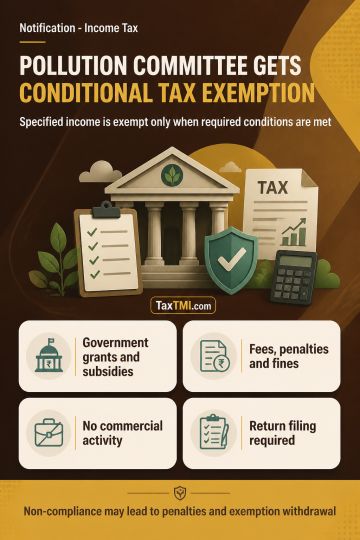
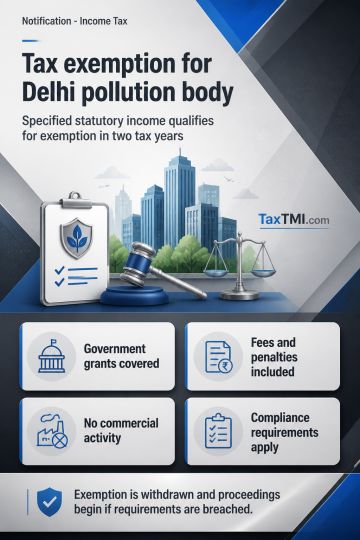
Specified income tax exemption for pollution control body remains conditional on non-commercial activity, unchanged income character, and return filin...
The applicant sought regular bail for allegedly illegally claiming Input Tax Credit (ITC) through fake firms without conducting any business or supply of goods, contravening provisions of the CGST Act. Statements recorded u/s 136 of the CGST Act were considered relevant. Evidence showed the applicant operated multiple firms on a single PAN, claiming ITC without actual business operations. Citing the ARNESH KUMAR case, the High Court noted that the applicant's detention was unjustified as investigations were completed and the maximum punishment was five years. The bail application was granted, subject to specified conditions.
The applicant sought regular bail for allegedly illegally claiming Input Tax Credit (ITC) through fake firms without conducting any business or supply of goods, contravening provisions of the CGST Act. Statements recorded u/s 136 of the CGST Act were considered relevant. Evidence showed the applicant operated multiple firms on a single PAN, claiming ITC without actual business operations. Citing the ARNESH KUMAR case, the High Court noted that the applicant's detention was unjustified as investigations were completed and the maximum punishment was five years. The bail application was granted, subject to specified conditions.
Note: It is a system-generated summary and is for quick reference only.
 TaxTMI
 of 4805
















 Join Channel


 TaxTMI